
Sage Green & Oak Meet the Kitchen: for Women Who Find Peace in the Outdoors
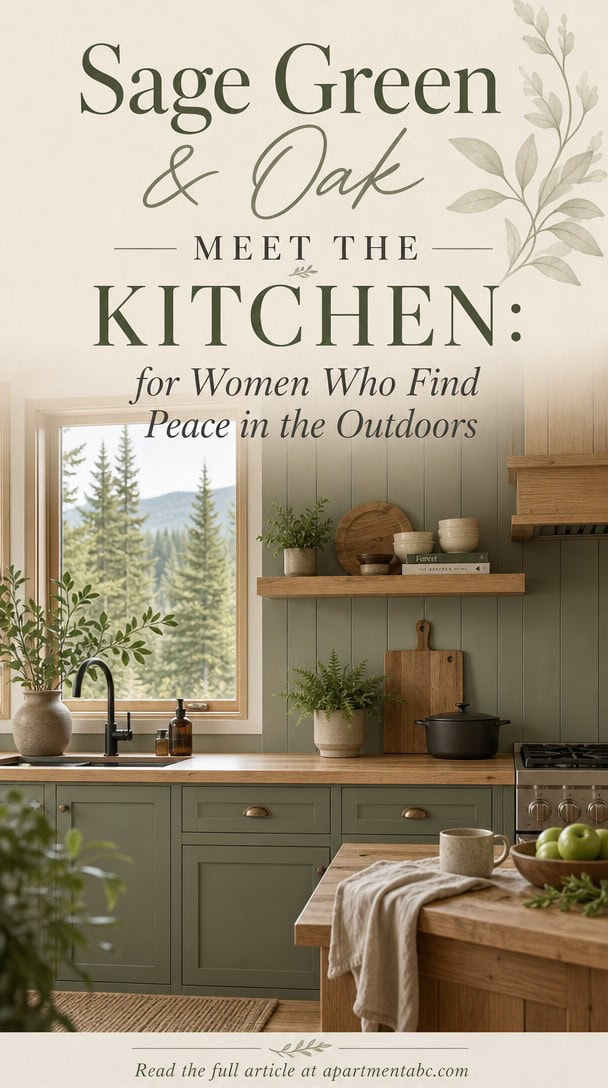
Your kitchen is loud in all the wrong ways and silent in all the ways that matter. You’re standing at the counter, coffee going cold, wondering why a room you paid so much for feels nothing like the trail that actually calms you down. That gap between “nice kitchen” and “kitchen that feels like somewhere” comes down to two things most people never think about together.
Why Sage Green and Oak Feel Like Nature Indoors
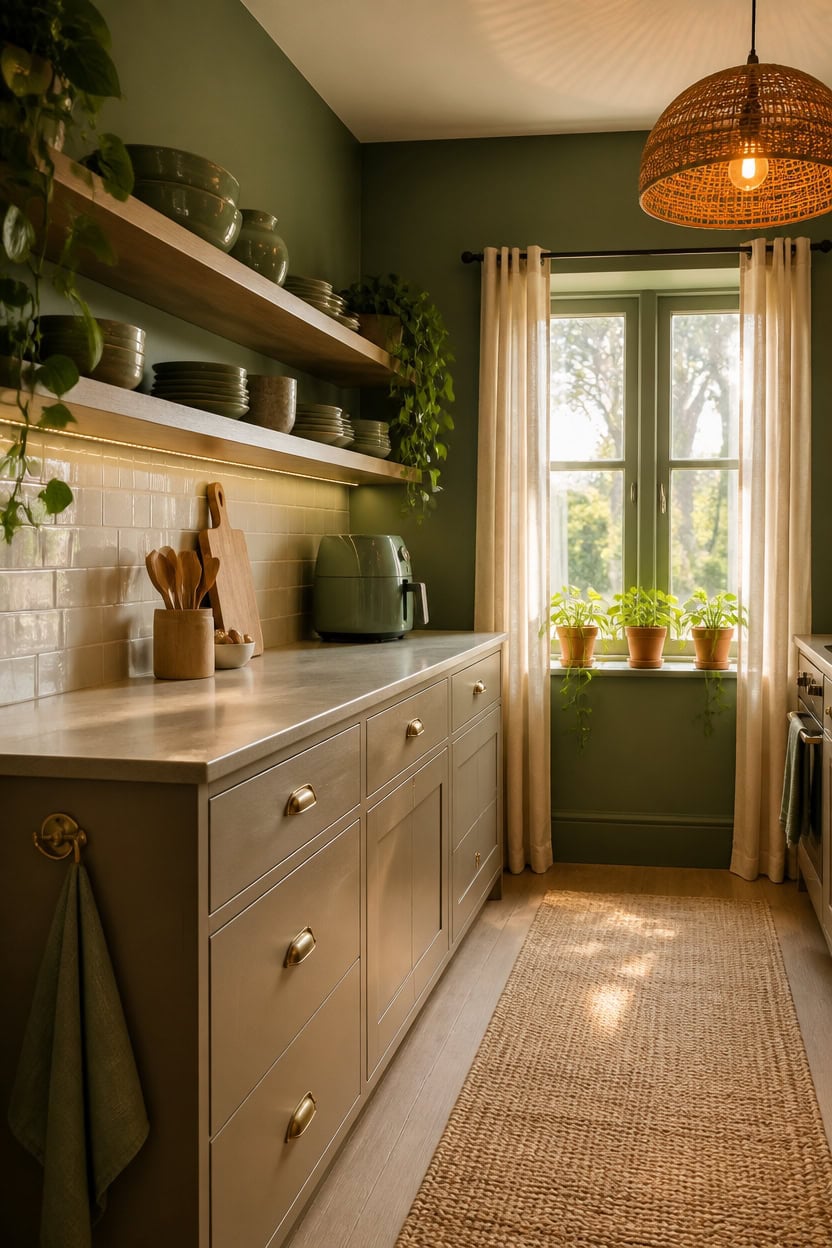
Sage green pulls from moss, eucalyptus, and lichen found on forest floors, which is why Cushing Green on the walls reads as organic rather than trendy. Oak’s warm honey undertones balance sage’s cool gray-green base, keeping the kitchen from feeling sterile or overly saturated. Pair painted sage walls with natural oak open shelving or trim so both materials breathe without competing.
Balance warm and cool: Sage’s cool undertone needs oak’s warm grain to avoid a flat, one-note look.
Layer natural textures: Add linen, rattan, and stone to echo the outdoor materials sage and oak reference.
Keep whites soft: Choose a creamy white trim instead of stark white so the palette stays grounded.
Let oak lead in daylight: Position oak surfaces near windows so the grain catches natural light.
a muted forest tone that grounds the room like a shaded grove [mid-tone].
a warm tan that mimics oak’s honeyed grain without competing with real wood [mid-tone].
 Kitchen Elite Countertop Digital Air Fryer with LED Screen, Green, 5.5 Qt
View Price
Kitchen Elite Countertop Digital Air Fryer with LED Screen, Green, 5.5 Qt
View Price
 Deer & Oak Non Toxic 3-Piece Acacia Cutting Board Set with Stand
View Price
Deer & Oak Non Toxic 3-Piece Acacia Cutting Board Set with Stand
View Price
 Premium Kitchen Towels 6 Pack 100% Cotton, 20"x28" Dish Towels - Sage
View Price
Premium Kitchen Towels 6 Pack 100% Cotton, 20"x28" Dish Towels - Sage
View Price
 AyshwillDec 2 Pack Wicker Pendant Light Natural Woven Pendant Light Boho Chandelier Light Fixture Dome Rustic Farmhouse Pendant Lights Rattan Light Fixture for Kitchen Island Dining Room (Bulb Incl.)
View Price
AyshwillDec 2 Pack Wicker Pendant Light Natural Woven Pendant Light Boho Chandelier Light Fixture Dome Rustic Farmhouse Pendant Lights Rattan Light Fixture for Kitchen Island Dining Room (Bulb Incl.)
View Price
 INGOFIN Terracotta Pots Set with Saucer - 5/6/7 inch Ceramic Clay Planters with Drainage Hole, Garden Flower Succulent Pots with Tray for Indoor Outdoor Plants, Set of 3
View Price
INGOFIN Terracotta Pots Set with Saucer - 5/6/7 inch Ceramic Clay Planters with Drainage Hole, Garden Flower Succulent Pots with Tray for Indoor Outdoor Plants, Set of 3
View Price
 Segtenant Utensil Holder, Acacia Wood Kitchen Utensil Holder for Countertop, 360°Rotating Cooking Utensil Crock for Kitchen Counter, 7.2" Large Utensil Organizer for Spatula
View Price
Segtenant Utensil Holder, Acacia Wood Kitchen Utensil Holder for Countertop, 360°Rotating Cooking Utensil Crock for Kitchen Counter, 7.2" Large Utensil Organizer for Spatula
View Price
 GBHOME Stoneware Dinnerware Sets for 4, 12 Pieces Plates and Bowls Set
View Price
GBHOME Stoneware Dinnerware Sets for 4, 12 Pieces Plates and Bowls Set
View Price
 Luul Home Easy Jute Rugs 2x7 Natural Color Living Room Indoor Outdoor Runner Rug for Farmhouse Patio and Kitchen Rug High Traffic Washable Easy to Clean Solid Boho Woven Design Outside Carpet (2 x 7)
View Price
Luul Home Easy Jute Rugs 2x7 Natural Color Living Room Indoor Outdoor Runner Rug for Farmhouse Patio and Kitchen Rug High Traffic Washable Easy to Clean Solid Boho Woven Design Outside Carpet (2 x 7)
View Price
What Makes This Color Palette So Calming?
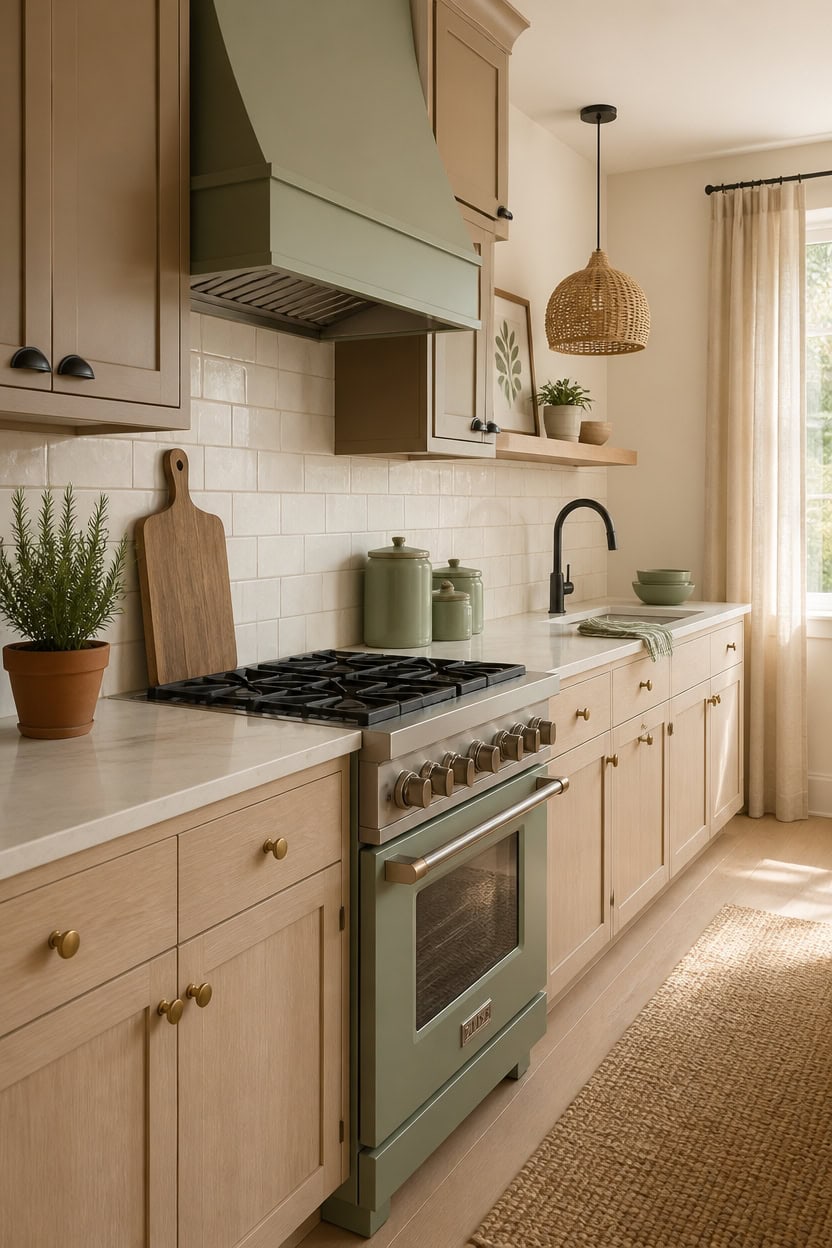
Sage green and oak work as a calming pair because both come from the same visual family as stone, moss, and weathered wood, so your eye reads them as one connected scene instead of separate design choices. An accent wall painted in Herb Bouquet sets a soft, muted backdrop that never competes with the room’s other tones. Keep the rest of the palette quiet so this green stays the visual anchor.
Limit contrast: Choose colors within one or two shades of each other so nothing jumps out and disrupts the calm.
Repeat the green sparingly: Use sage on one wall or a few accessories instead of every surface to avoid visual fatigue.
Add matte finishes: Flat and eggshell paints diffuse light softly, unlike glossy sheens that feel busy.
Keep metal tones muted: Brushed brass or matte black hardware supports the quiet palette better than polished chrome.
a soft, dusty sage that feels calm without going flat [light].
a warm, oak-adjacent tan that keeps the palette grounded and cohesive [mid-tone].
 Kitchen Canisters for Countertop Set of 4 w/Airtight Easy Open Bamboo Lids
View Price
Kitchen Canisters for Countertop Set of 4 w/Airtight Easy Open Bamboo Lids
View Price
 Checkered Oak Wood Cutting Board Set of 3, Cutting Boards for Kitchen | Non-Toxic, Cutting Board with Stand Juice Groove for Cleaner Prep, Cooked Food Serving, and Upright Storage
View Price
Checkered Oak Wood Cutting Board Set of 3, Cutting Boards for Kitchen | Non-Toxic, Cutting Board with Stand Juice Groove for Cleaner Prep, Cooked Food Serving, and Upright Storage
View Price
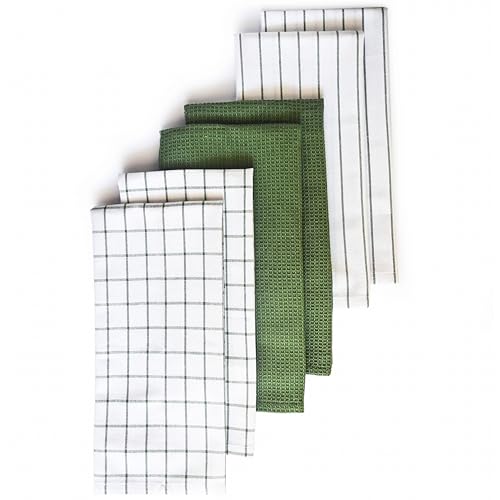 Cotton Dish Towels For Kitchen Drying - Highly Absorbent Wide Sage Green Striped Plaid Tea Towels - 18"X28" Set Of 6 Farmhouse Linen Dishtowels In Bulk - Pano De Prato Para Cozinha - T Towles Towls
View Price
Cotton Dish Towels For Kitchen Drying - Highly Absorbent Wide Sage Green Striped Plaid Tea Towels - 18"X28" Set Of 6 Farmhouse Linen Dishtowels In Bulk - Pano De Prato Para Cozinha - T Towles Towls
View Price
 AyshwillDec 3 Pack Wicker Pendant Light Natural Woven Pendant Light Boho Chandelier Light Fixture Dome Rustic Farmhouse Pendant Lights Rattan Light Fixture for Dining Room Kitchen Island (Bulb Incl.)
View Price
AyshwillDec 3 Pack Wicker Pendant Light Natural Woven Pendant Light Boho Chandelier Light Fixture Dome Rustic Farmhouse Pendant Lights Rattan Light Fixture for Dining Room Kitchen Island (Bulb Incl.)
View Price
 Crock-Pot 7-Quart Manual Slow Cooker, Family Size Serves 8+ People & Fits 6-lb Roast, Removable Stoneware with Warming Setting, Dishwasher Safe for Easy Cleanup, Stainless Steel
View Price
Crock-Pot 7-Quart Manual Slow Cooker, Family Size Serves 8+ People & Fits 6-lb Roast, Removable Stoneware with Warming Setting, Dishwasher Safe for Easy Cleanup, Stainless Steel
View Price
 Bico Light Sage Green 24oz Stoneware Cereal Bowls Set, Set of 4, Microwave and Dishwasher Safe, for Cereal, Soup, Noodles
View Price
Bico Light Sage Green 24oz Stoneware Cereal Bowls Set, Set of 4, Microwave and Dishwasher Safe, for Cereal, Soup, Noodles
View Price
 HAUS AND HUES Botanical Plant Wall Art Prints - Set of 4 Decor Floral Kitchen Flower Leaves Boho Leaf Eucalyptus Green Poster (11x14, Walnut Framed)
View Price
HAUS AND HUES Botanical Plant Wall Art Prints - Set of 4 Decor Floral Kitchen Flower Leaves Boho Leaf Eucalyptus Green Poster (11x14, Walnut Framed)
View Price
 Hausattire Jute Braided Woven Kitchen Rug 2x3 Feet - Natural
View Price
Hausattire Jute Braided Woven Kitchen Rug 2x3 Feet - Natural
View Price
How to Choose the Right Shade of Sage Green
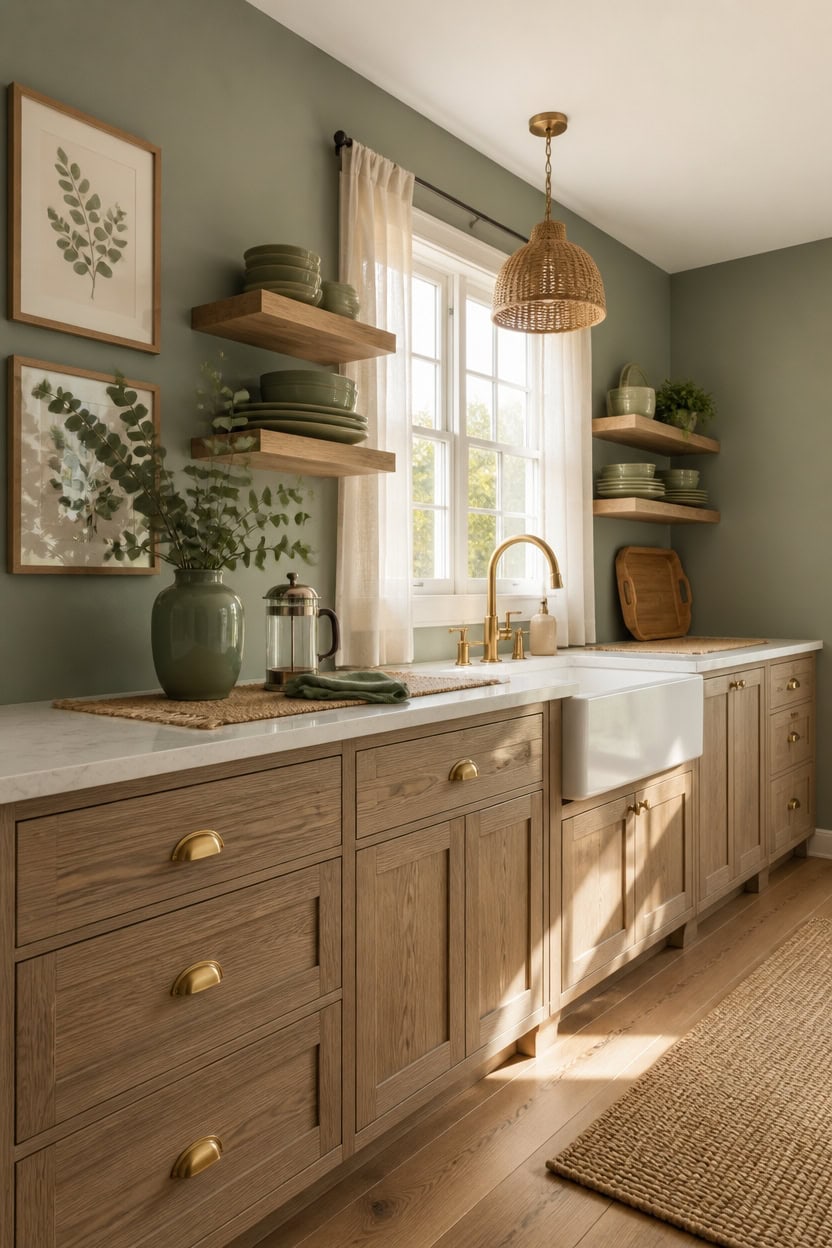
Choosing the right sage means testing swatches against your oak tones before committing to a full wall. Cushing Green (HC-125) reads more gray-green in daylight, which keeps it from fighting warm oak grain the way a yellower sage sometimes does. Paint a large sample board and move it around the kitchen for a full day before deciding.
Check undertones first: Hold sage swatches next to your oak cabinet sample to spot clashing yellow or blue tints.
Test in real light: View swatches at morning, midday, and evening since sage shifts noticeably under artificial bulbs.
Match saturation to size: Pick a muted, grayed sage for large surfaces and save punchier greens for small accents.
Sample before buying gallons: Paint a poster-size board so you can judge the color against your actual oak tones.
a muted, gray-leaning sage that stays calm across the whole room [mid-tone].
a warm, oak-toned neutral that grounds the sage walls above it [mid-tone].
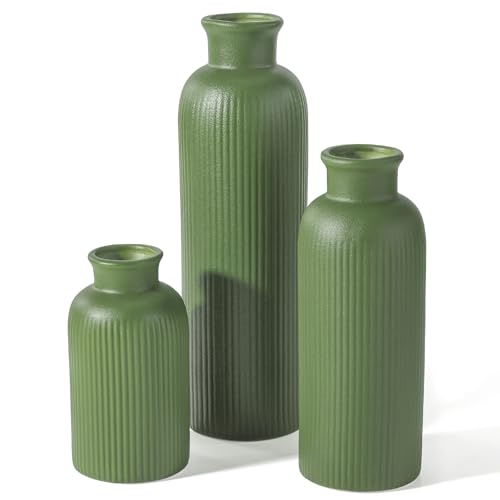 Small Sage Green Ceramic Vase Set of 3, Boho Modern Flower Vase Room Decor, Farmhouse Decor, Vases for Your Kitchen, Bathroom, Bedroom, Living Room, Office&Shelf Centerpiece Table Decorations
View Price
Small Sage Green Ceramic Vase Set of 3, Boho Modern Flower Vase Room Decor, Farmhouse Decor, Vases for Your Kitchen, Bathroom, Bedroom, Living Room, Office&Shelf Centerpiece Table Decorations
View Price
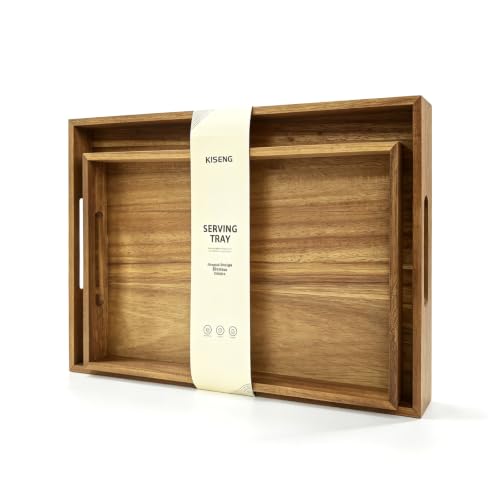 Acacia Wood Serving Trays with Handles | Decorative Serving Tray, Breakfast-in-Bed, Food & Drinks, Coffee Table, Ottoman, Patio BBQ, Party & Holiday
View Price
Acacia Wood Serving Trays with Handles | Decorative Serving Tray, Breakfast-in-Bed, Food & Drinks, Coffee Table, Ottoman, Patio BBQ, Party & Holiday
View Price
 QUQIYSO French Press Coffee Maker 51oz, Large French Press, Thickened Glass
View Price
QUQIYSO French Press Coffee Maker 51oz, Large French Press, Thickened Glass
View Price
 Threadmill Sage Green Cloth Napkins Set of 12 Cotton, Resuable 20 x 20 inch Napkins Cloth Washable, Dinner Napkins Perfect for Wedding, Parties, Cocktails, Fall, Thanksgiving, Christmas with free tote
View Price
Threadmill Sage Green Cloth Napkins Set of 12 Cotton, Resuable 20 x 20 inch Napkins Cloth Washable, Dinner Napkins Perfect for Wedding, Parties, Cocktails, Fall, Thanksgiving, Christmas with free tote
View Price
 Craftmade Natural Pendant 1 Light Natural Wood Woven Orb, 16.5" W x 11.88" H, P2001-NT
View Price
Craftmade Natural Pendant 1 Light Natural Wood Woven Orb, 16.5" W x 11.88" H, P2001-NT
View Price
 JoyJolt Mesa Stoneware Dinnerware Set, 18-Piece Plates and Bowls Sets, Includes Dinner - Salad and Cereal and Soup Bowls, Modern Farmhouse Matte Sage Green Dish Set for 6
View Price
JoyJolt Mesa Stoneware Dinnerware Set, 18-Piece Plates and Bowls Sets, Includes Dinner - Salad and Cereal and Soup Bowls, Modern Farmhouse Matte Sage Green Dish Set for 6
View Price
 Sage Green Kitchen Canvas Wall Art Set of 3 – Framed Minimalist Eucalyptus Leaves Wall Decor Artwork, Modern Dining Room Plant Pictures Poster Prints for kitchen Home Decoration – 12x16in
View Price
Sage Green Kitchen Canvas Wall Art Set of 3 – Framed Minimalist Eucalyptus Leaves Wall Decor Artwork, Modern Dining Room Plant Pictures Poster Prints for kitchen Home Decoration – 12x16in
View Price
 COTTON CRAFT Jute Braided Table Runner - 13x36 inches Natural Table Runner
View Price
COTTON CRAFT Jute Braided Table Runner - 13x36 inches Natural Table Runner
View Price
Warm Oak vs Cool Oak: Which Tone Fits Your Kitchen?
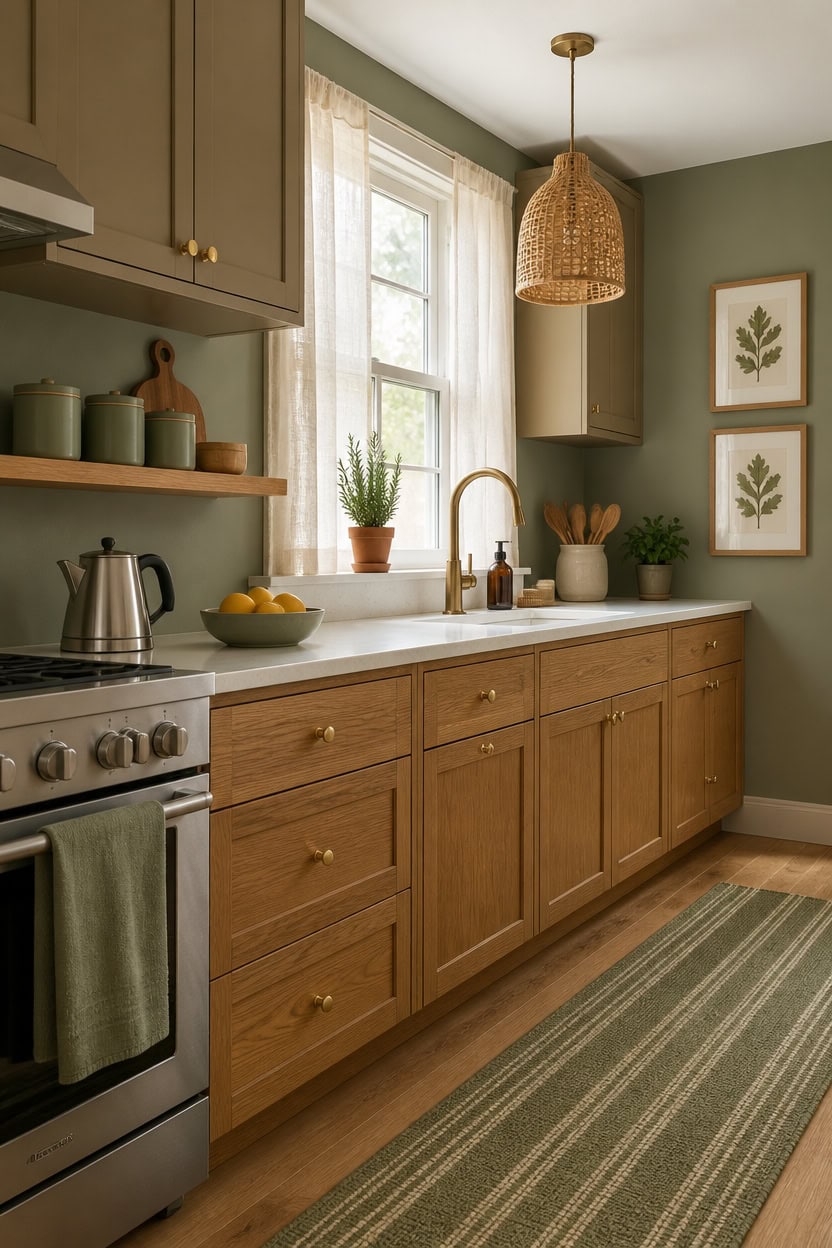
Warm oak carries red-orange undertones that pull toward amber in daylight, while cool oak leans gray-brown and stays neutral under any bulb. Cushing Green worked in the last section because it splits the difference, but Herb Bouquet (460) leans slightly more gray-green, which suits warm oak grain better without fighting its red flecks. Check your cabinet’s undertone against a white sheet of paper in daylight before picking your final sage.
Warm oak, cooler sage: Warm oak needs a gray-leaning sage like Herb Bouquet to avoid a muddy orange-green clash.
Cool oak, softer sage: Cool, ash-toned oak pairs better with a slightly warmer sage so the room doesn’t feel cold.
Test at midday: Warm undertones show up strongest under direct sun, so check swatches then.
Avoid yellow-heavy sage: Yellow-based greens amplify orange in warm oak instead of balancing it.
a gray-leaning sage that settles down warm oak grain instead of competing with it [mid-tone].
a warm, oak-toned neutral that bridges the wood tones below and the sage wall above [mid-tone].
 Kitchen Canisters for Countertop Set of 4 w/ Chalkboard Labels & Marker Pen
View Price
Kitchen Canisters for Countertop Set of 4 w/ Chalkboard Labels & Marker Pen
View Price
 OAKTASTIC End Grain 12" Round European Oak Wood Cutting Board, Butcher Block, Wooden Chopping Board with Non-Slip Feet & Handles, Charcuterie Board, Knife-Friendly, Serving Cutting Board for Kitchen
View Price
OAKTASTIC End Grain 12" Round European Oak Wood Cutting Board, Butcher Block, Wooden Chopping Board with Non-Slip Feet & Handles, Charcuterie Board, Knife-Friendly, Serving Cutting Board for Kitchen
View Price
 Cosori Gooseneck Electric Kettle with Temperature Control, 0.8L, Black | No Plastic Contact with Water, 5 Presets, 60-Min Keep Warm, Pour Over Coffee & Tea, Stainless Steel Interior, 1200W
View Price
Cosori Gooseneck Electric Kettle with Temperature Control, 0.8L, Black | No Plastic Contact with Water, 5 Presets, 60-Min Keep Warm, Pour Over Coffee & Tea, Stainless Steel Interior, 1200W
View Price
 LANE LINEN Cotton Dish Towels for Kitchen Quick Drying, Durable 4 Pack
View Price
LANE LINEN Cotton Dish Towels for Kitchen Quick Drying, Durable 4 Pack
View Price
 GBhome 8.5'' Ceramic Pasta Bowls, 36oz Stoneware Salad Bowls Set of 4
View Price
GBhome 8.5'' Ceramic Pasta Bowls, 36oz Stoneware Salad Bowls Set of 4
View Price
 Ink Inc. Vintage Botanical Prints | Common Trees Forest Leaves Wall Art | Set of 4 8x10 - Framed, Oak Wood
View Price
Ink Inc. Vintage Botanical Prints | Common Trees Forest Leaves Wall Art | Set of 4 8x10 - Framed, Oak Wood
View Price
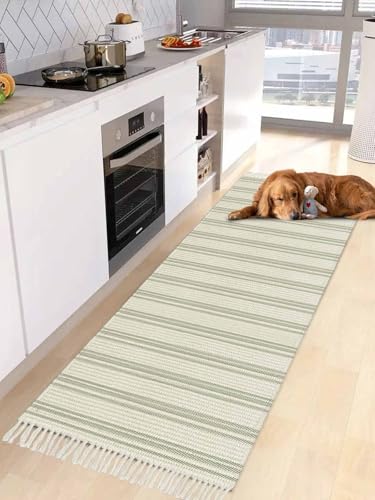 Kitchen Runner Rug 2x5 Feet, Sage Green Striped Area Rug with Tassel, Washable Woven Throw Runner Carpet, Modern Farmhouse Green Stripes Stainproof Carpet Runner for Hallways Corridor
View Price
Kitchen Runner Rug 2x5 Feet, Sage Green Striped Area Rug with Tassel, Washable Woven Throw Runner Carpet, Modern Farmhouse Green Stripes Stainproof Carpet Runner for Hallways Corridor
View Price
Sage Green Cabinets That Bring the Outdoors In
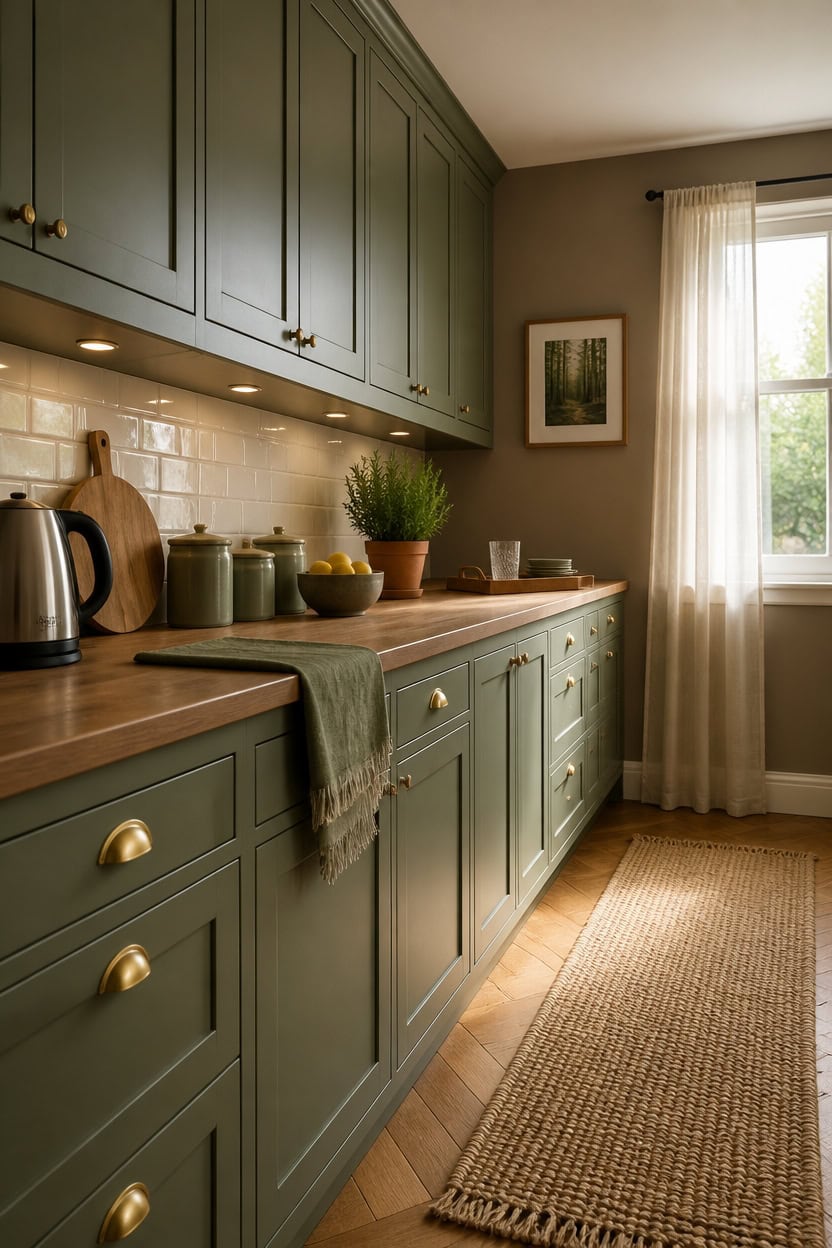
Cushing Green sets the tone from the wall block, but the cabinets deserve their own moment in this kitchen story. Herb Bouquet, a softer sage with more gray mixed in, works well on a full cabinet run because it reads as calm rather than saturated. The muted tone lets natural light bounce around the room instead of absorbing it, which matters most in kitchens with limited window space.
Match the undertone: Pick a sage with gray or olive undertones so it pairs naturally with oak grain.
Paint all cabinet faces: Skip the two-tone upper/lower split here so the green reads as one cohesive block.
Keep hardware simple: Brushed nickel or brass pulls let the paint color stay the visual focus.
Test in daylight: Sage shifts warmer or cooler depending on the room’s light, so check swatches at midday.
a muted sage that feels pulled from a forest floor rather than a paint chip [mid-tone].
a warm oak-toned neutral that keeps the sage cabinets from feeling cold [mid-tone].
 blomus BORDA Oak Cutting Board Round 30cm
View Price
blomus BORDA Oak Cutting Board Round 30cm
View Price
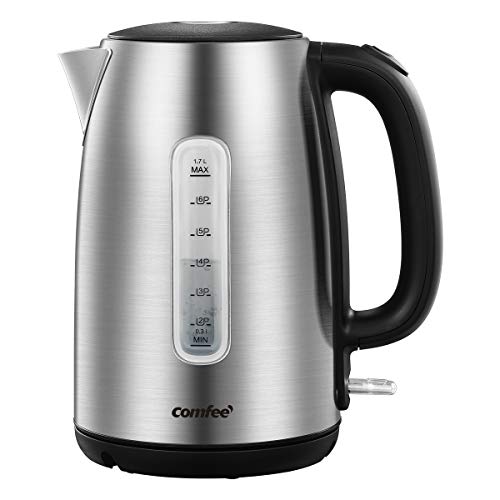 COMFEE' Stainless Steel Electric Kettle, 1.7 Liter Tea Kettle Electric & Hot Water Kettle, 1500W Fast Boil with LED Light, Auto Shut-Off and Boil-Dry Protection
View Price
COMFEE' Stainless Steel Electric Kettle, 1.7 Liter Tea Kettle Electric & Hot Water Kettle, 1500W Fast Boil with LED Light, Auto Shut-Off and Boil-Dry Protection
View Price
 Artoid Mode Sage Green Rustic Cotton Linen Table Runner, Seasonal Embroidered Hollow Kitchen Dining Table Decoration for Home Party Decor 13x72 Inch
View Price
Artoid Mode Sage Green Rustic Cotton Linen Table Runner, Seasonal Embroidered Hollow Kitchen Dining Table Decoration for Home Party Decor 13x72 Inch
View Price
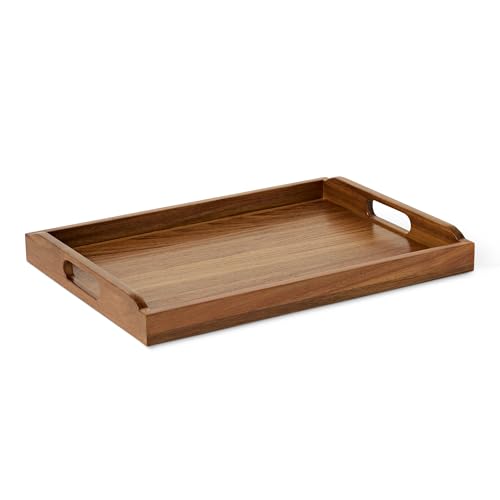 Amazon Basics Wooden Serving Tray, 17" x 12" Acacia Wood Decorative Tray Platter With Built-in Handles for Breakfast in Bed, Food & Drinks, Entertaining, Coffee Table & Ottoman
View Price
Amazon Basics Wooden Serving Tray, 17" x 12" Acacia Wood Decorative Tray Platter With Built-in Handles for Breakfast in Bed, Food & Drinks, Entertaining, Coffee Table & Ottoman
View Price
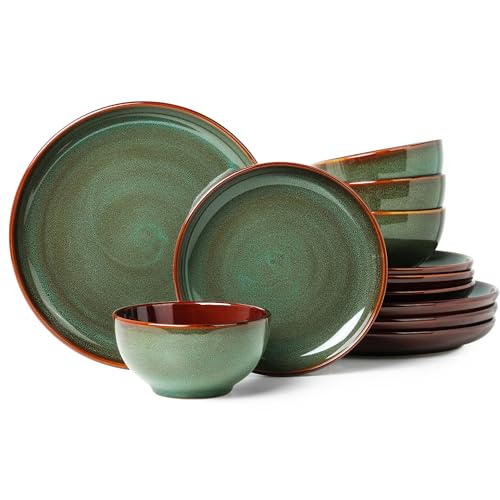 Pokini Ceramic Dinnerware Sets for 4, 12pcs Plates and Bowls Sets Dish Set | Stoneware Dishware sets, Microwave & Dishwasher Safe, Cereal Bowls and Dinner Plates Set, Stackable Dishes Set, Sage Green
View Price
Pokini Ceramic Dinnerware Sets for 4, 12pcs Plates and Bowls Sets Dish Set | Stoneware Dishware sets, Microwave & Dishwasher Safe, Cereal Bowls and Dinner Plates Set, Stackable Dishes Set, Sage Green
View Price
 Framed Forest Wall Art Set of 3, Misty Mountain Landscape Canvas Wall Decor Paintings, Nature Tree River Scenery Artwork Prints Pictures for Living Room Bedroom Office 12x16 Inch
View Price
Framed Forest Wall Art Set of 3, Misty Mountain Landscape Canvas Wall Decor Paintings, Nature Tree River Scenery Artwork Prints Pictures for Living Room Bedroom Office 12x16 Inch
View Price
 HOMEMONDE Braided Jute Runner Rug | 2' x 6' | Natural
View Price
HOMEMONDE Braided Jute Runner Rug | 2' x 6' | Natural
View Price
Kitchen Runners for This Palette
Rugs USA best-selling kitchen runners in this palette's colors, linked in 2' 6" x 6', the size for the floor in front of the sink and stove. Many are machine washable.
- Free shipping
- 30-day returns
- 210,000+ five-star reviews
 Speckled Wool-Blend Rug – Verdant Green
View Price
Speckled Wool-Blend Rug – Verdant Green
View Price
 Floral Fringed Rug – Olive
View Price
Floral Fringed Rug – Olive
View Price
 Jungle Washable Rug – Sage Green
View Price
Jungle Washable Rug – Sage Green
View Price
 Tropical Foliage Indoor/Outdoor Rug – Green Multicolor
View Price
Tropical Foliage Indoor/Outdoor Rug – Green Multicolor
View Price
 Jungle Spill Proof Washable Rug – Sage Green
View Price
Jungle Spill Proof Washable Rug – Sage Green
View Price
 Maxine Chromatic Chevron Rug – Green
View Price
Maxine Chromatic Chevron Rug – Green
View Price
 Abstract Floral Rug – Green
View Price
Abstract Floral Rug – Green
View Price
 Hand Braided Denim And Jute Striped Diamonds Rug – Olive
View Price
Hand Braided Denim And Jute Striped Diamonds Rug – Olive
View Price
 Palmetto Paradise Indoor/Outdoor Rug – Green Multicolor
View Price
Palmetto Paradise Indoor/Outdoor Rug – Green Multicolor
View Price
 Sade Solid Shag Rug – Green
View Price
Sade Solid Shag Rug – Green
View Price
 Indray Traditional Floral and Paisley Rug – Green
View Price
Indray Traditional Floral and Paisley Rug – Green
View Price
 Kwireh Traditional Floral and Paisley Rug – Green
View Price
Kwireh Traditional Floral and Paisley Rug – Green
View Price
 Jute Braided Rug – Green
View Price
Jute Braided Rug – Green
View Price
 Botanica Hand Tufted Botanical Wool-Blend Rug – Olive Green
View Price
Botanica Hand Tufted Botanical Wool-Blend Rug – Olive Green
View Price
 Field Stripe Mid-Century Washable Rug by Society6 – Green
View Price
Field Stripe Mid-Century Washable Rug by Society6 – Green
View Price
 Perfect Handwoven Jute-Blend Rug – Natural
View Price
Perfect Handwoven Jute-Blend Rug – Natural
View Price
 Jute Braided Rug – Natural
View Price
Jute Braided Rug – Natural
View Price
 Everywhere Hand-Braided Indoor/Outdoor Rug – Salt And Pepper
View Price
Everywhere Hand-Braided Indoor/Outdoor Rug – Salt And Pepper
View Price
 Chunky Jute Tasseled Rug – Natural
View Price
Chunky Jute Tasseled Rug – Natural
View Price
 Keyara Spill Proof Washable Rug – Stone
View Price
Keyara Spill Proof Washable Rug – Stone
View Price
Oak Countertops and Butcher Block for a Grounded Look
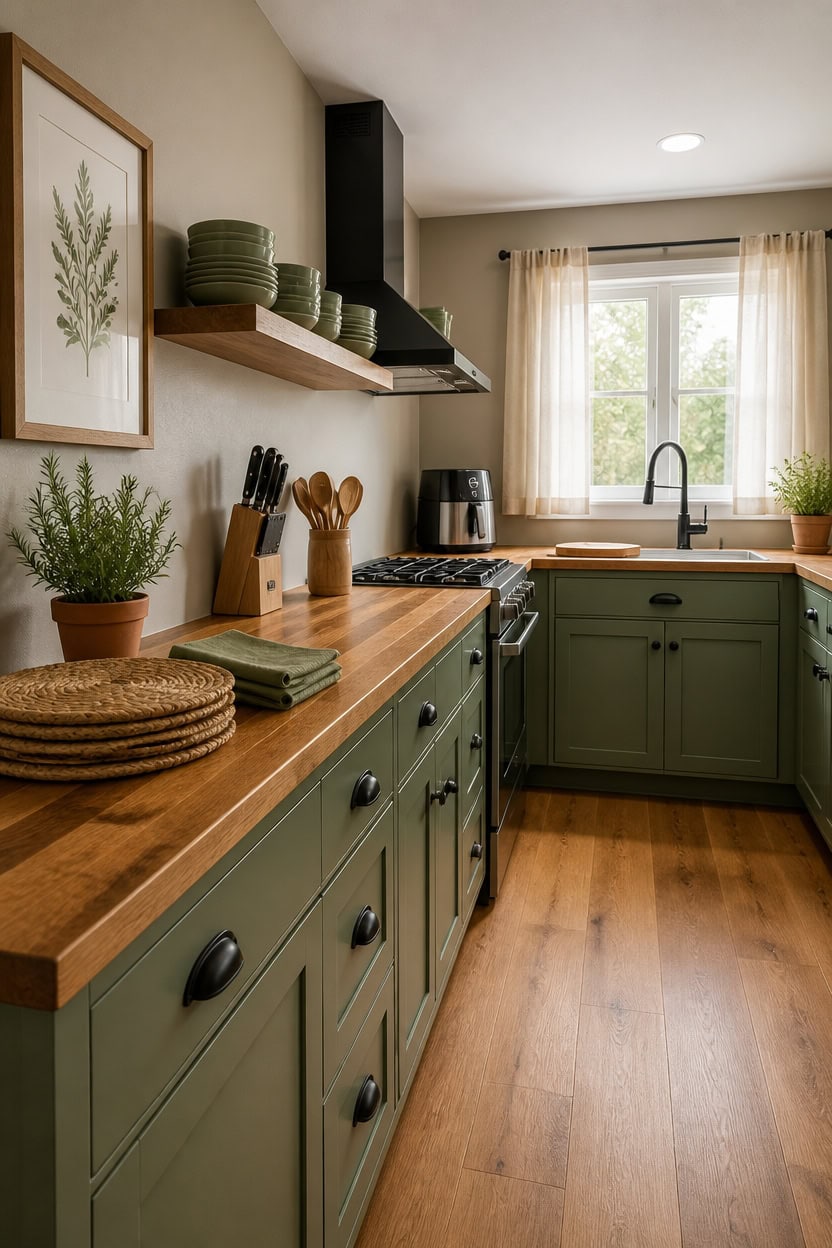
Oak butcher block countertops bring warm honey and amber tones that ground a sage kitchen in real material instead of cool stone. The wood’s grain pairs naturally with Nordic Gray walls, a warm neutral that echoes the oak’s undertone rather than fighting it. Seal butcher block every few months with food-safe mineral oil to keep the surface from drying out near the sink.
Choose the right cut: Face-grain butcher block shows more visible grain than edge-grain for a rustic look.
Seal on a schedule: Apply food-safe mineral oil every few months to prevent water damage.
Balance with hardware: Pair oak with matte black or brass fixtures so the wood doesn’t read flat.
Protect high-use zones: Keep a cutting board near the sink and stove to limit surface wear.
a muted, olive-leaning sage that plays off the oak’s warmth without competing with it [mid-tone].
a warm, taupe-toned neutral that mirrors the countertop’s amber undertone [light].
 OAKTASTIC End Grain 16"x12" European Oak Wood Cutting Board, Butcher Block, Wooden Chopping Board with Non-Slip Feet & Handles, Charcuterie Board, Knife-Friendly, Serving Cutting Board for Kitchen
View Price
OAKTASTIC End Grain 16"x12" European Oak Wood Cutting Board, Butcher Block, Wooden Chopping Board with Non-Slip Feet & Handles, Charcuterie Board, Knife-Friendly, Serving Cutting Board for Kitchen
View Price
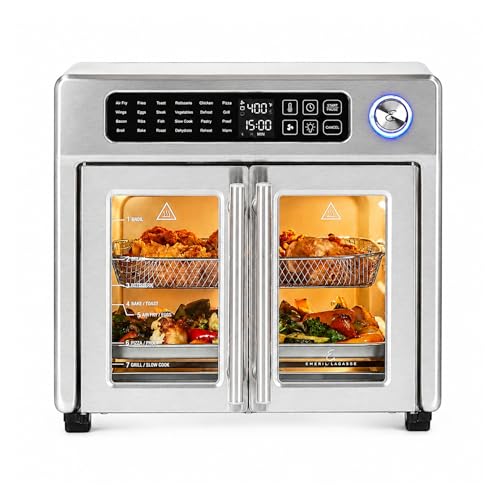 Emeril Lagasse 26QT French Door Multi-Function Air Fryer Toaster Oven | 26QT air fryer oven with French doors, 24 cooking functions, dual-speed fan and rotisserie for easy family meals.
View Price
Emeril Lagasse 26QT French Door Multi-Function Air Fryer Toaster Oven | 26QT air fryer oven with French doors, 24 cooking functions, dual-speed fan and rotisserie for easy family meals.
View Price
 Oneida 897205 Organic Shades 12-Piece Dinnerware Set, Sage Green
View Price
Oneida 897205 Organic Shades 12-Piece Dinnerware Set, Sage Green
View Price
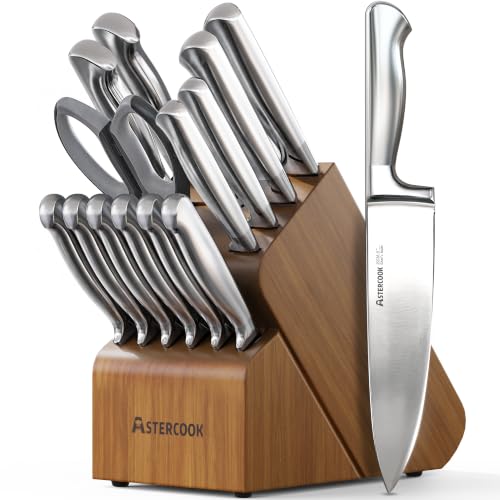 Astercook Knife Set 15 Piece German Steel Kitchen Knife Block Set
View Price
Astercook Knife Set 15 Piece German Steel Kitchen Knife Block Set
View Price
 Ayuzawa Handmade Cloth Napkins 100% Cotton Napkins with Fringe,Delicate Handmade Cloth Napkins for Dinners, Parties, Weddings and More,18 x 18 Inch Set of 6 - Sage Green
View Price
Ayuzawa Handmade Cloth Napkins 100% Cotton Napkins with Fringe,Delicate Handmade Cloth Napkins for Dinners, Parties, Weddings and More,18 x 18 Inch Set of 6 - Sage Green
View Price
 gorsent Acacia Wood Utensil Holder, 360° Rotating 7.3 in Kitchen Organizer
View Price
gorsent Acacia Wood Utensil Holder, 360° Rotating 7.3 in Kitchen Organizer
View Price
 Chardin Home Natural Jute & Green Placemats, Set of 4 – Rustic Handmade Boho Table Mats, 13x19 Inch Dining Table Placemats for Kitchen, Everyday Meals, Holidays, Farmhouse or Modern Table Décor
View Price
Chardin Home Natural Jute & Green Placemats, Set of 4 – Rustic Handmade Boho Table Mats, 13x19 Inch Dining Table Placemats for Kitchen, Everyday Meals, Holidays, Farmhouse or Modern Table Décor
View Price
 Vintage Botanical Prints | Olives by Ink Inc. | Mediterranean Wall Art | Boho Farmhouse Kitchen Decor | Set of 6 8x10 - Framed, Oak Wood
View Price
Vintage Botanical Prints | Olives by Ink Inc. | Mediterranean Wall Art | Boho Farmhouse Kitchen Decor | Set of 6 8x10 - Framed, Oak Wood
View Price
Backsplash Ideas That Complement Sage and Oak
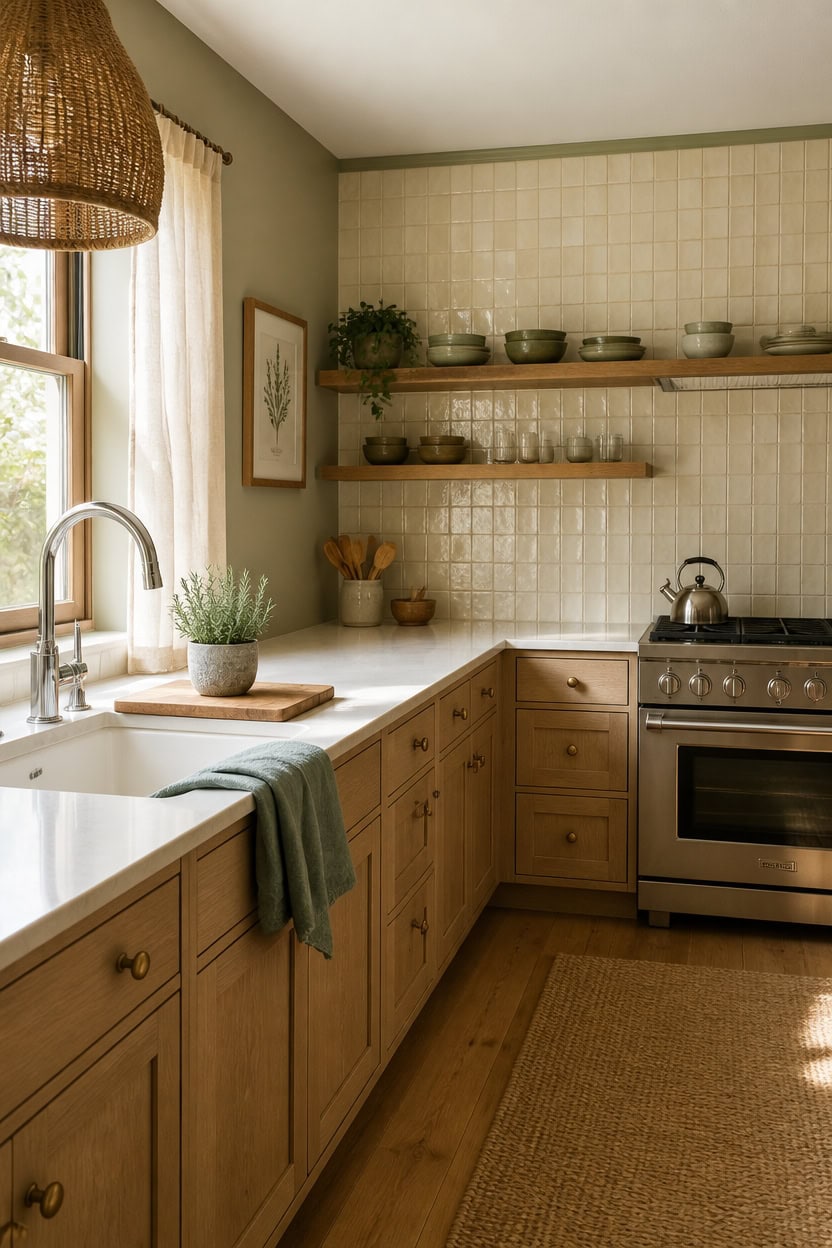
A ceramic tile backsplash in warm ivory or cream pairs with Tyler Taupe walls, keeping oak cabinetry and sage accents from competing. The tile’s soft texture bounces light around the room, making the kitchen feel larger near the sink. Extend the tile a few inches onto the wall above open shelving for easier cleanup.
Choose a neutral tile: Warm ivory or cream tile keeps oak and sage from clashing.
Extend past the counter: Carry tile a few inches up the wall for easy wipe-down near the stove.
Match grout to tile: Light grout keeps the backsplash from reading busy against the wood grain.
Add texture with shape: A handmade-look zellige or fluted tile adds depth without adding color.
a soft sage green that echoes the kitchen’s palette without the cost of a full tile install [light].
a warm, oak-toned neutral that ties the backsplash and cabinetry together [mid-tone].
 STICKGOO Subway Tile Peel and Stick Backsplash, Thicker Design 12" x 12" Stick on Backsplash Tiles for Kitchen, Bathroom, Wall Tile (10 Sheets, Bright Glossy White)
View Price
STICKGOO Subway Tile Peel and Stick Backsplash, Thicker Design 12" x 12" Stick on Backsplash Tiles for Kitchen, Bathroom, Wall Tile (10 Sheets, Bright Glossy White)
View Price
 Cosori Gooseneck Electric Kettle with Temperature Control, 0.8L, Silver
View Price
Cosori Gooseneck Electric Kettle with Temperature Control, 0.8L, Silver
View Price
 Amazon Basics Glazed Stoneware Dinnerware, 12-Piece Set, 4 Full Place Settings, Microwave and Dishwasher-Safe, Olive
View Price
Amazon Basics Glazed Stoneware Dinnerware, 12-Piece Set, 4 Full Place Settings, Microwave and Dishwasher-Safe, Olive
View Price
 Acacia Wood Chopping Cutting Boards for Kitchen Wooden Charcuterie Board
View Price
Acacia Wood Chopping Cutting Boards for Kitchen Wooden Charcuterie Board
View Price
 Woven Pendant Light Fixtures, ELYONA 7" Farmhouse Coastal Hanging Lamp with Matte Black Handwoven Rattan Basket Shade Modern Boho Pendant Light for Kitchen Island Dining Room Bar Bedroom Foyer Hallway
View Price
Woven Pendant Light Fixtures, ELYONA 7" Farmhouse Coastal Hanging Lamp with Matte Black Handwoven Rattan Basket Shade Modern Boho Pendant Light for Kitchen Island Dining Room Bar Bedroom Foyer Hallway
View Price
 KAF Home Premium Kitchen Towels (18" x 28"), Large 100% Cotton, Flat & Terry Absorbent Dish Towel Set (Sage, 18 x 28-6 Pack)
View Price
KAF Home Premium Kitchen Towels (18" x 28"), Large 100% Cotton, Flat & Terry Absorbent Dish Towel Set (Sage, 18 x 28-6 Pack)
View Price
Our Favorite Kitchen Wall Art
The best-reviewed kitchen prints at Wayfair, with the ones in this palette's colors first.
- Free shipping over $35
- Picked at 4.6 stars or higher
 Sage Garden 2 Piece Picture Frame Graphic Art Print Set
View Price
Sage Garden 2 Piece Picture Frame Graphic Art Print Set
View Price
 The Cafe Terrace by Vincent Van Gogh
View Price
The Cafe Terrace by Vincent Van Gogh
View Price
 Sweet Experience
View Price
Sweet Experience
View Price
 Watercolor Lemons in Mason Jar Landscape by Tre Sorelle
View Price
Watercolor Lemons in Mason Jar Landscape by Tre Sorelle
View Price
 Interplay Print on Canvas
View Price
Interplay Print on Canvas
View Price
 Watercolor Lemons in Mason Jar on Shiplap by Tre Sorelle
View Price
Watercolor Lemons in Mason Jar on Shiplap by Tre Sorelle
View Price
 Autumn Kitchen by Danhui Nai
View Price
Autumn Kitchen by Danhui Nai
View Price
 Country Red and White
View Price
Country Red and White
View Price
 Old Favorites by Irena Orlov
View Price
Old Favorites by Irena Orlov
View Price
 Kitchen Food Culinary Gathering Pen and Ink Food and Drinks
View Price
Kitchen Food Culinary Gathering Pen and Ink Food and Drinks
View Price
 Wooden Kitchen Items
View Price
Wooden Kitchen Items
View Price
 Le Chateau Wrapped Canvas Machine Made Print
View Price
Le Chateau Wrapped Canvas Machine Made Print
View Price
 Fruit and Wine by Yoakum
View Price
Fruit and Wine by Yoakum
View Price
 White and Gold Champagne Flow V Champagne
View Price
White and Gold Champagne Flow V Champagne
View Price
 Kitchen Food Vintage Citrus Botanical Rustic Orange Framed
View Price
Kitchen Food Vintage Citrus Botanical Rustic Orange Framed
View Price
 Autumn Fall Thanksgiving Pumpkin in Orange Forest Nature
View Price
Autumn Fall Thanksgiving Pumpkin in Orange Forest Nature
View Price
 Kitchen Food Herbs and Spice in Spoons Kitchen Cooking Food
View Price
Kitchen Food Herbs and Spice in Spoons Kitchen Cooking Food
View Price
Flooring Choices That Anchor a Nature-Inspired Kitchen
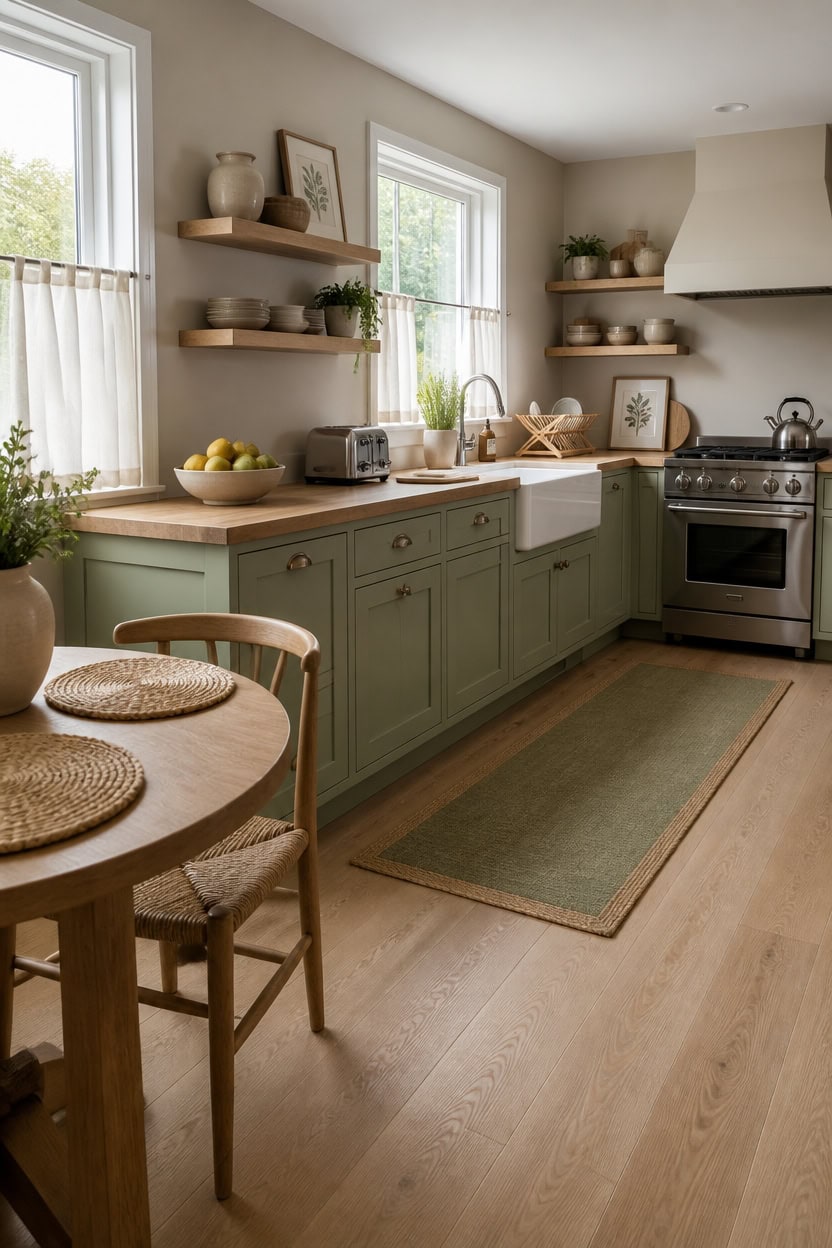
Wide-plank white oak flooring in a natural matte finish anchors this sage and oak kitchen without tipping into rustic territory. The wood’s honey undertone warms the cooler sage cabinetry, while the matte finish hides everyday scuffs better than high-gloss options near the sink. Pair the flooring with walls painted in Rocky Beach to keep the neutral backdrop as warm as the oak grain underfoot.
Choose warm oak tones: Select wide-plank oak or oak-look luxury vinyl that matches the cabinet’s undertone.
Add texture with grain: A wire-brushed or hand-scraped finish disguises daily scuffs near the stove and sink.
Balance with area rugs: A jute or wool runner in sage tones softens hard flooring underfoot.
Match trim to floor: Baseboards in a close wood tone keep the junction from floor to wall seamless.
a soft sage green that echoes the oak flooring’s warmth without overwhelming the room [light].
a warm, oak-toned neutral that ties the flooring and cabinetry together [light].
 GE 2 Slice Stainless Steel Toaster, Extra Wide Slots for Toasting Bagels, Breads, Waffles & More, 7 Adjustable Shade Settings, Removable Crumb Tray, Countertop Kitchen Essentials, 850 Watts
View Price
GE 2 Slice Stainless Steel Toaster, Extra Wide Slots for Toasting Bagels, Breads, Waffles & More, 7 Adjustable Shade Settings, Removable Crumb Tray, Countertop Kitchen Essentials, 850 Watts
View Price
 Dish Drying Rack Kitchen Counter — Walnut Look Stainless Steel, 16.6"x12.5" | Dish Rack for Kitchen Counter with Angled Drainboard, Adjustable Spout, Removable Utensil & Cup Holders, Large Dish Drainer
View Price
Dish Drying Rack Kitchen Counter — Walnut Look Stainless Steel, 16.6"x12.5" | Dish Rack for Kitchen Counter with Angled Drainboard, Adjustable Spout, Removable Utensil & Cup Holders, Large Dish Drainer
View Price
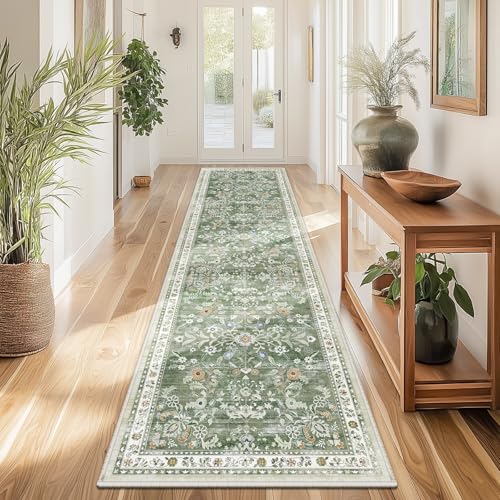 Yamaziot 2x8 Washable Hallway Runner Rug Non Slip Floral Carpet, Sage Green
View Price
Yamaziot 2x8 Washable Hallway Runner Rug Non Slip Floral Carpet, Sage Green
View Price
 HOMKULA 3 Tier Fruit Basket, Ceramic Fruit Bowl for Kitchen Counter 2
View Price
HOMKULA 3 Tier Fruit Basket, Ceramic Fruit Bowl for Kitchen Counter 2
View Price
 Ebesto Ivory Kitchen Curtains 30 Inch Length 2 Panels Set, Soft Fabric Faux Linen Farmhouse Short Cafe Curtains for Small Half Window Bathroom Basement Camper, Dual Rod Pocket, 2x30Wx30L Inches
View Price
Ebesto Ivory Kitchen Curtains 30 Inch Length 2 Panels Set, Soft Fabric Faux Linen Farmhouse Short Cafe Curtains for Small Half Window Bathroom Basement Camper, Dual Rod Pocket, 2x30Wx30L Inches
View Price
 4 Pack Rectangular Woven Placemats, Natural Seagrass Place Mats, 17" x 12", Rattan Wicker Table Mats for Dining Table
View Price
4 Pack Rectangular Woven Placemats, Natural Seagrass Place Mats, 17" x 12", Rattan Wicker Table Mats for Dining Table
View Price
 Framed 3 Piece Neutral Vintage Botanical Wall Art for Dining Room, 16x24 In
View Price
Framed 3 Piece Neutral Vintage Botanical Wall Art for Dining Room, 16x24 In
View Price
 THE BEER VALLEY Jute Braided Rug 2x3 Feet - Natural
View Price
THE BEER VALLEY Jute Braided Rug 2x3 Feet - Natural
View Price
Hardware Finishes That Pair Best With Sage Green
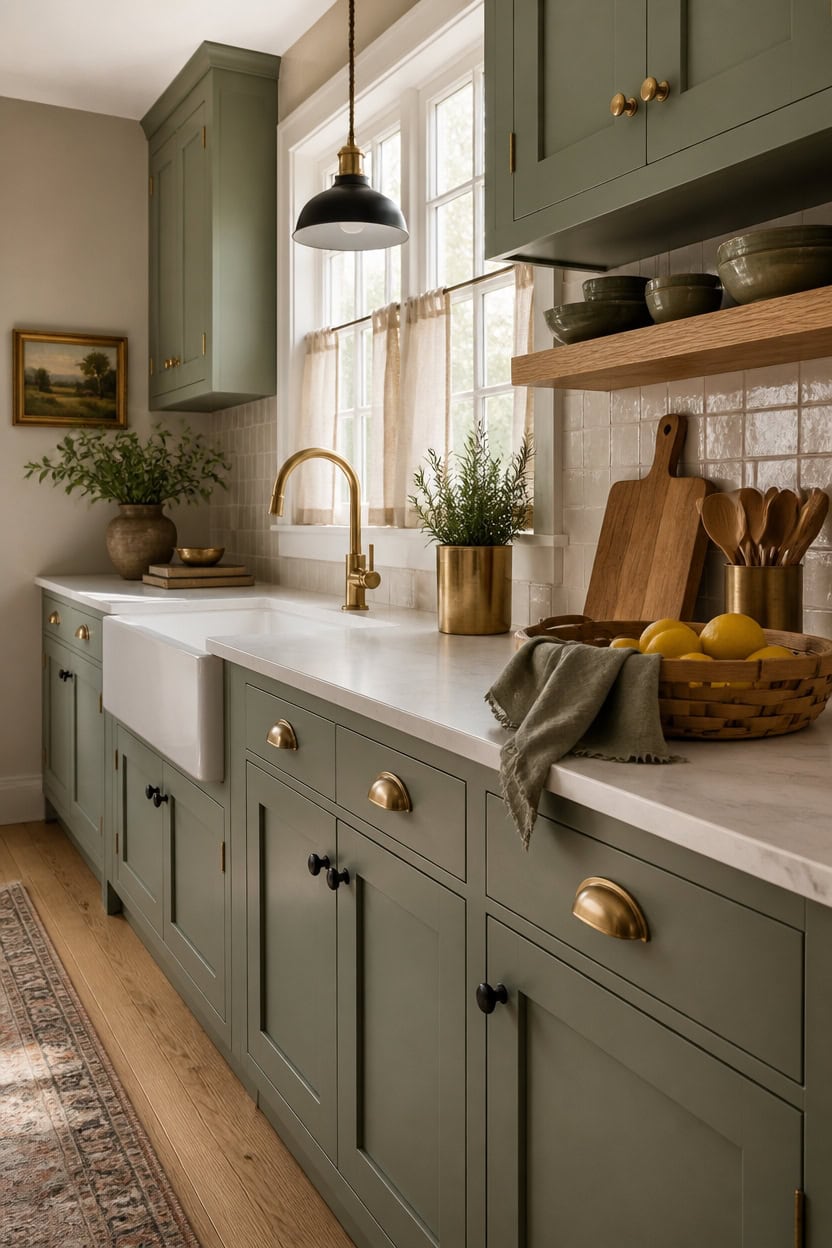
Warm brass hardware pairs best with sage green cabinetry, its yellow undertone warming the cooler green pigment. Matte black knobs work as a secondary accent on drawers near the sink without competing with the brass. Paint the surrounding walls in Nordic Gray to keep the palette anchored in warm neutrals.
Choose warm metals: Brass or aged brass complements sage green’s cooler tone with warmth.
Mix two finishes: Pair brass fixtures on uppers with matte black on lowers for visual depth.
Match hinge finish: Keep visible hinges consistent with nearby fixture finishes for a cohesive look.
Test in natural light: View metal samples near a window since sage shifts tone with daylight.
a deeper sage tone that grounds brass fixtures at eye level. [mid-tone]
a warm greige that lets brass and black finishes stand out. [mid-tone]
 Delta Nicoli Brushed Gold Kitchen Faucet with Pull Down Sprayer, Modern Single Hole Kitchen Sink Faucet, Single Handle, Champagne Bronze 19867LF-CZ
View Price
Delta Nicoli Brushed Gold Kitchen Faucet with Pull Down Sprayer, Modern Single Hole Kitchen Sink Faucet, Single Handle, Champagne Bronze 19867LF-CZ
View Price
 Bodum 27oz Bistro Gooseneck Electric Water Kettle, Pour Over Coffee & Tea, Stainless Steel, Matte Black
View Price
Bodum 27oz Bistro Gooseneck Electric Water Kettle, Pour Over Coffee & Tea, Stainless Steel, Matte Black
View Price
 Sango 12 Pieces Scalloped Dinnerware Set, Sage Green Dishes for 4, Premium Serving Plates & Bowls Sets, Chip Resistant, Ceramic Dishware, Kitchen Dish, Microwave & Dishwasher Safe, Bethany
View Price
Sango 12 Pieces Scalloped Dinnerware Set, Sage Green Dishes for 4, Premium Serving Plates & Bowls Sets, Chip Resistant, Ceramic Dishware, Kitchen Dish, Microwave & Dishwasher Safe, Bethany
View Price
 Kikcoin 20”×14” Bamboo Cutting Boards for kitchen, Reversible, 2XL, Natural
View Price
Kikcoin 20”×14” Bamboo Cutting Boards for kitchen, Reversible, 2XL, Natural
View Price
 JovvMivi Gold 304 Stainless Steel Kitchen Utensil Holder for Countertop
View Price
JovvMivi Gold 304 Stainless Steel Kitchen Utensil Holder for Countertop
View Price
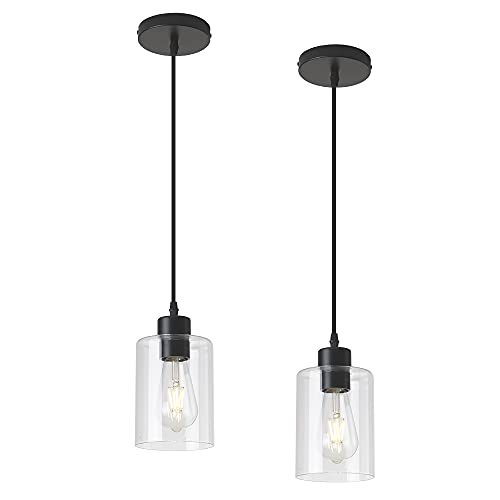 KLSS Modern Black Farmhouse Clear Glass Cylinder Pendant Light Fixture,Island Lights for Kitchen,Mini Pendant Lighting for Kitchen Island Decor - 4.75 Inch Shade 58 Inch Cord (Black 2 Pack)
View Price
KLSS Modern Black Farmhouse Clear Glass Cylinder Pendant Light Fixture,Island Lights for Kitchen,Mini Pendant Lighting for Kitchen Island Decor - 4.75 Inch Shade 58 Inch Cord (Black 2 Pack)
View Price
 eHemco 3 Tier Hardwood Frame Grocery Storage Organizer Rack, Light Oak
View Price
eHemco 3 Tier Hardwood Frame Grocery Storage Organizer Rack, Light Oak
View Price
Our Favorite Cabinet Hardware
- Free shipping over $35
- Picked at 4.8 stars or higher
 Amerock Bar Pulls Center-to-Center Cabinet Pull
View Price
Amerock Bar Pulls Center-to-Center Cabinet Pull
View Price
 GlideRite Roman Modern Bar Pull
View Price
GlideRite Roman Modern Bar Pull
View Price
 GlideRite Roman Bar Pull
View Price
GlideRite Roman Bar Pull
View Price
 Amerock Bar Pulls T-Shaped Cabinet Knob
View Price
Amerock Bar Pulls T-Shaped Cabinet Knob
View Price
 Amerock Edona 1-1/4" Mushroom Cabinet Knob
View Price
Amerock Edona 1-1/4" Mushroom Cabinet Knob
View Price
 GlideRite Mushroom Knob Multipack
View Price
GlideRite Mushroom Knob Multipack
View Price
 Amerock 3" Center-to-Center Cup Pull Multipack
View Price
Amerock 3" Center-to-Center Cup Pull Multipack
View Price
 GlideRite Classic 3" Cup/Bin Pull Multipack
View Price
GlideRite Classic 3" Cup/Bin Pull Multipack
View Price
 Top Knobs Channing Cup/Bin Pull
View Price
Top Knobs Channing Cup/Bin Pull
View Price
 Hickory Hardware Refined Rustic 12" Appliance Pull
View Price
Hickory Hardware Refined Rustic 12" Appliance Pull
View Price
 Franklin Brass Stratford 7-9/16" Bar Pull
View Price
Franklin Brass Stratford 7-9/16" Bar Pull
View Price
Open Shelving Styled Like a Forager’s Pantry
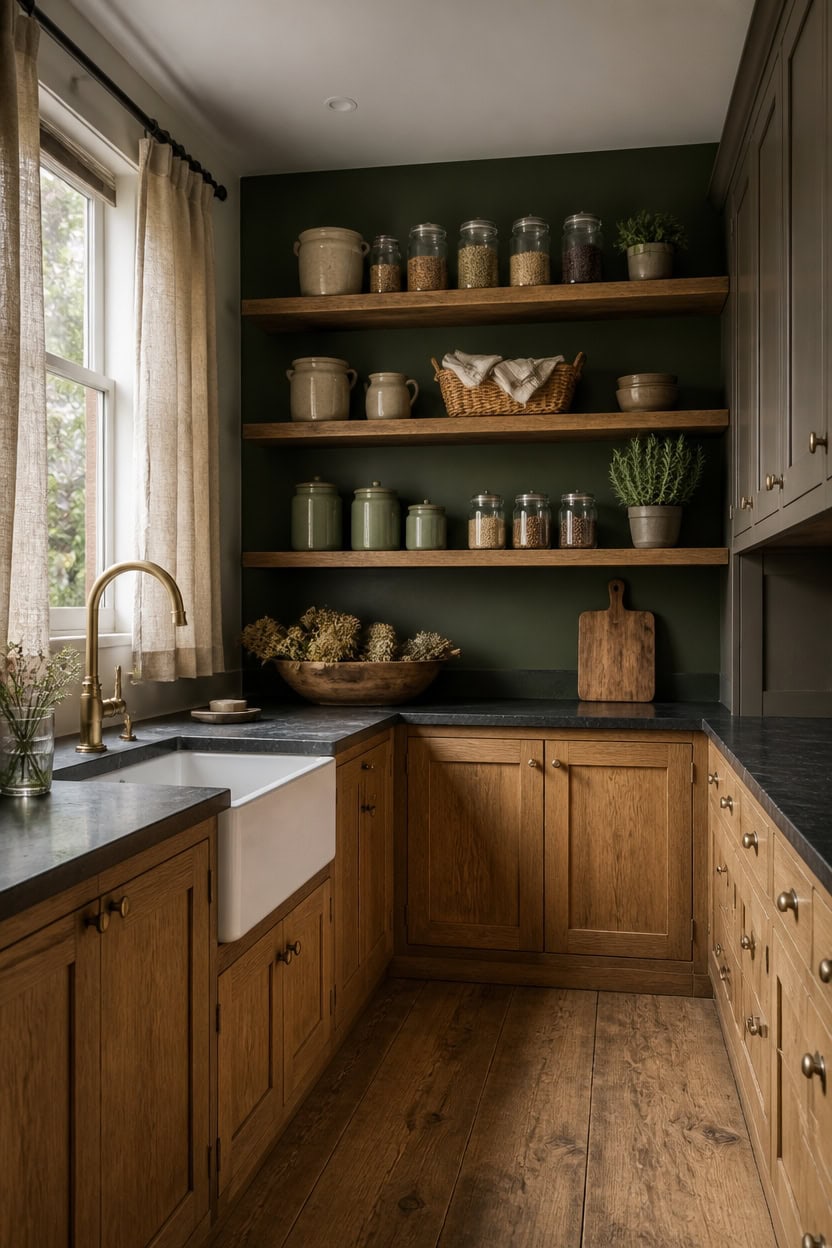
Open shelving turns everyday pantry goods into the visual anchor of the room, especially when the backing wall carries color instead of staying plain. Fiddlehead Green painted behind open shelves gives glass jars and stoneware a deep backdrop that makes each item read as intentional, not cluttered. Grouping pieces by material—glass, ceramic, woven—creates rhythm without matching sets, and leaving breathing room between groupings keeps the display from feeling busy.
Group by material: Cluster glass, ceramic, and woven pieces together so texture does the work, not color-matching.
Vary height: Mix tall jars with low bowls so each shelf reads like a still life.
Leave breathing room: Space items with visible gaps so the eye has somewhere to rest.
Anchor with greenery: Tuck a small potted herb on one shelf to soften hard edges.
a deep, muted green that makes jars and stoneware stand out like foraged treasures. [dark]
a warm, oak-toned neutral that ties the cabinetry back to the shelving display. [mid-tone]
 Solid Wood Floating Shelves for Wall 30 Inches Long, Natural Wood Shelf | Real Wood, Wooden Shelf Bathroom Large, Light Oak, Wall Mount, Kitchen Bedroom, Natural Oak Finish, 30W × 6.7D, Set of 2
View Price
Solid Wood Floating Shelves for Wall 30 Inches Long, Natural Wood Shelf | Real Wood, Wooden Shelf Bathroom Large, Light Oak, Wall Mount, Kitchen Bedroom, Natural Oak Finish, 30W × 6.7D, Set of 2
View Price
 Qianfenie 50 oz Glass Jars with Airtight Lids, Wide Mouth Mason Jars, 4 Pc | Square Glass Jars, BPA Free, Dishwasher Safe, Heavy-Duty Glass Storage Containers for Flour, Sugar, Kitchen & Pantry
View Price
Qianfenie 50 oz Glass Jars with Airtight Lids, Wide Mouth Mason Jars, 4 Pc | Square Glass Jars, BPA Free, Dishwasher Safe, Heavy-Duty Glass Storage Containers for Flour, Sugar, Kitchen & Pantry
View Price
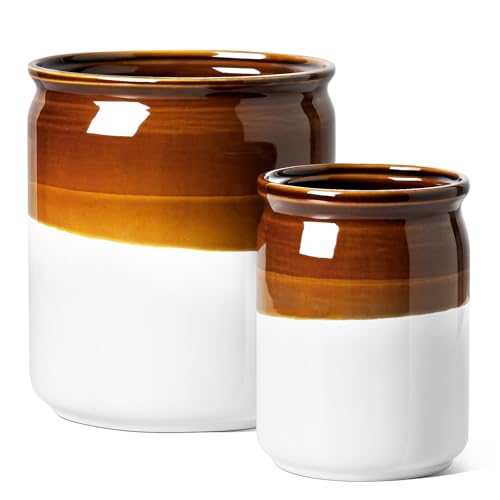 LE TAUCI Kitchen Utensil Holder for Countertop, Ceramic Utensil Crock Set of 2, Rustic Brown Holder for Spatulas, Spoons and Ladles, Large Farmhouse Kitchen Counter Decor, Brown and White, 7.2" & 5.4"
View Price
LE TAUCI Kitchen Utensil Holder for Countertop, Ceramic Utensil Crock Set of 2, Rustic Brown Holder for Spatulas, Spoons and Ladles, Large Farmhouse Kitchen Counter Decor, Brown and White, 7.2" & 5.4"
View Price
 Wicker Storage Basket - Large 12x12x10in Cube, Woven Wicker for Shelves, Pantry, Kitchen & Bathroom Organization (Brown)
View Price
Wicker Storage Basket - Large 12x12x10in Cube, Woven Wicker for Shelves, Pantry, Kitchen & Bathroom Organization (Brown)
View Price
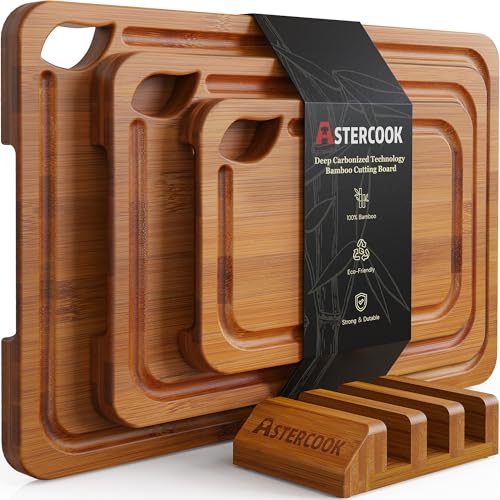 Astercook Deep-Carbonized Bamboo Cutting Boards for Kitchen with Wood Storage Stand, Reversible Charcuterie & Chopping Boards with Juice Grooves and Easy-Grip Handles, Fathers Day Gift for Men
View Price
Astercook Deep-Carbonized Bamboo Cutting Boards for Kitchen with Wood Storage Stand, Reversible Charcuterie & Chopping Boards with Juice Grooves and Easy-Grip Handles, Fathers Day Gift for Men
View Price
 Nuanchu 10 Pcs Fall Thanksgiving Dried Flowers Bouquet, 10 Glass Vase, Rope
View Price
Nuanchu 10 Pcs Fall Thanksgiving Dried Flowers Bouquet, 10 Glass Vase, Rope
View Price
 Wooden Salad Bowl Set of 3, Round 12" 10" 8" Wood Bowls for Serving Food
View Price
Wooden Salad Bowl Set of 3, Round 12" 10" 8" Wood Bowls for Serving Food
View Price
How to Bring Plants and Botanicals Into the Kitchen
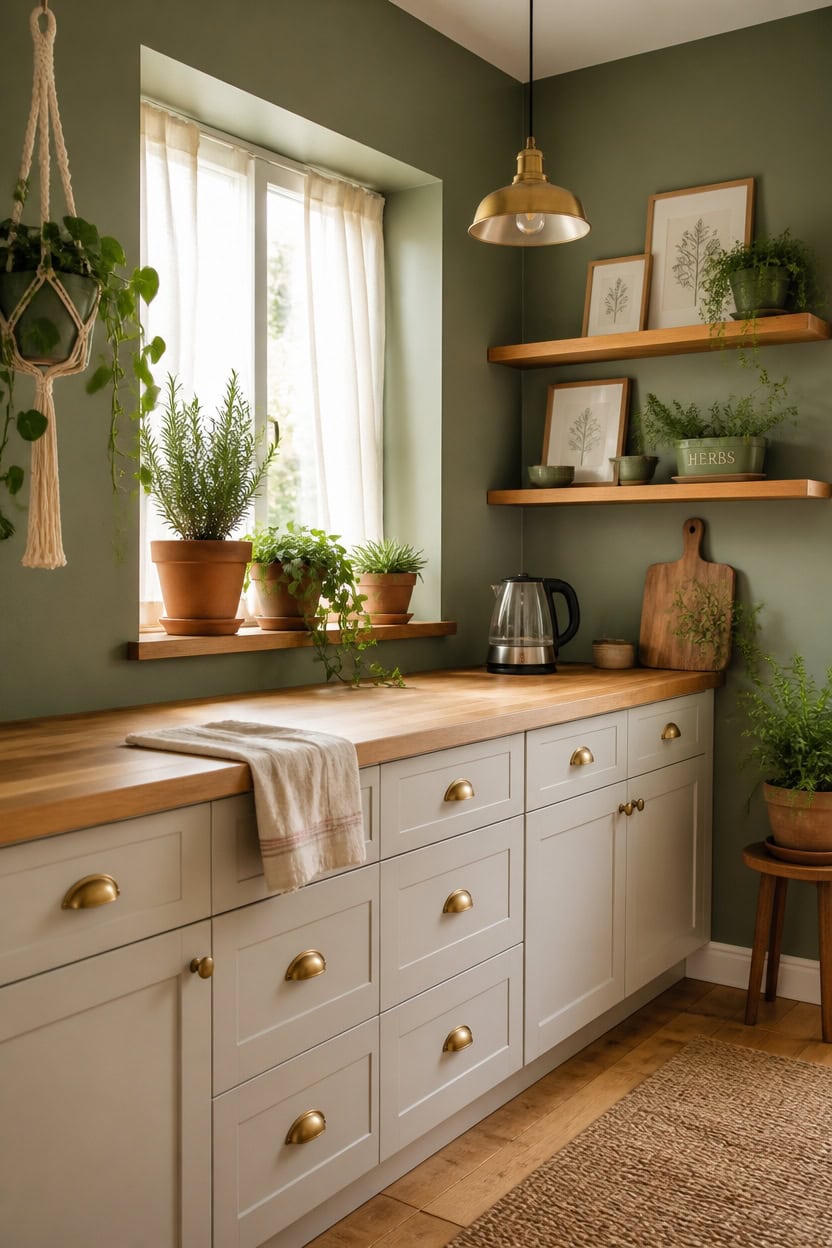
A sage green accent wall behind the kitchen window works as the backdrop for a working plant shelf, since Cushing Green echoes the outdoor tones the room borrows from. Live herbs and trailing greenery pull that color off the paint chip and into something the reader can touch and smell. Group three pots at different heights on the windowsill so the display reads as a small garden, not an afterthought.
Pick the light spot: Place plants near the brightest window since most kitchen herbs need direct sun.
Mix textures: Combine a trailing vine, an upright herb, and a low succulent for visual variety.
Repot in matching clay: Terracotta or ceramic pots in warm tones tie plants back to the oak cabinetry.
Rotate seasonally: Swap tender herbs for hardy greenery in winter so the display stays alive year-round.
a muted sage that frames potted herbs like a backdrop in a still life. [mid-tone]
a warm, oak-adjacent neutral that grounds the greenery above it. [light]
 Velener 2Pcs Artificial Potted Rosemary Plants- Rustic Farmhouse Fake Shrubs for Decoration Centerpieces Living Room, Shelf Bedroom Aesthetic Green Bathroom Accessories Boho Small Desk Plant Office
View Price
Velener 2Pcs Artificial Potted Rosemary Plants- Rustic Farmhouse Fake Shrubs for Decoration Centerpieces Living Room, Shelf Bedroom Aesthetic Green Bathroom Accessories Boho Small Desk Plant Office
View Price
 Fake Hanging Plants Vines(2pcs)for Room Decor, Artificial Ivy Greenery Garlands for Home Bedroom Living Aesthetic Kitchen Office Wall Patio Bookshelf,Indoor,Outdoor Farmhouse Decorations(No flowerpot)
View Price
Fake Hanging Plants Vines(2pcs)for Room Decor, Artificial Ivy Greenery Garlands for Home Bedroom Living Aesthetic Kitchen Office Wall Patio Bookshelf,Indoor,Outdoor Farmhouse Decorations(No flowerpot)
View Price
 vensovo Ceramic Planter Set with Tray, 3 Small Herb Pots, Green Leaf
View Price
vensovo Ceramic Planter Set with Tray, 3 Small Herb Pots, Green Leaf
View Price
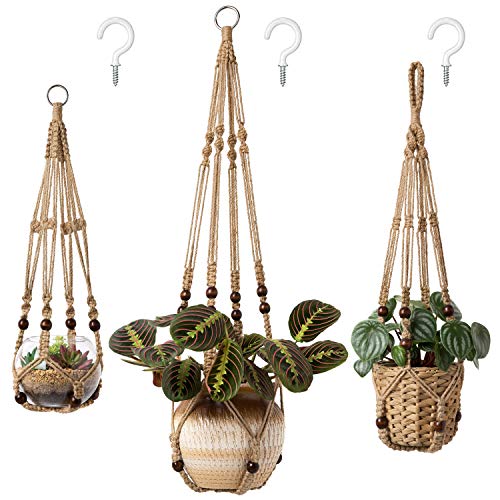 Mkono 3 Pack Macrame Plant Hangers Hanging Planters for Indoor Plants Brown
View Price
Mkono 3 Pack Macrame Plant Hangers Hanging Planters for Indoor Plants Brown
View Price
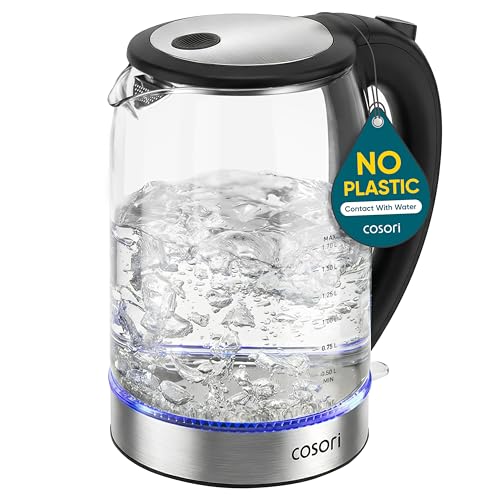 Cosori Electric Kettle, No Plastic Contact with Water, 1.7L, Black | Wide Opening, Easy to Clean, Auto Shut-Off, Boil-Dry Protection, Tea Kettle, Hot Water Boiler, Borosilicate Glass, 1500W
View Price
Cosori Electric Kettle, No Plastic Contact with Water, 1.7L, Black | Wide Opening, Easy to Clean, Auto Shut-Off, Boil-Dry Protection, Tea Kettle, Hot Water Boiler, Borosilicate Glass, 1500W
View Price
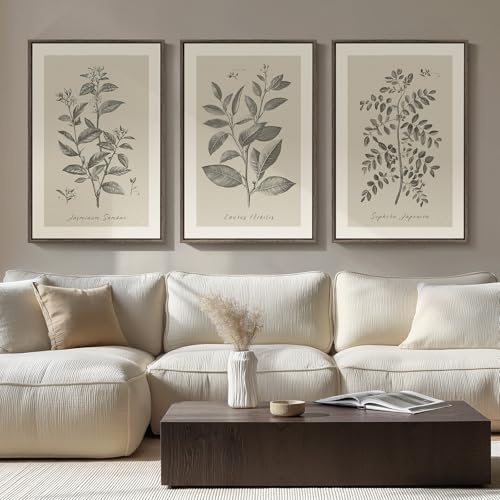 Large Framed 3 Piece Vintage Botanical Wall Art for Living Room, 20x30 In
View Price
Large Framed 3 Piece Vintage Botanical Wall Art for Living Room, 20x30 In
View Price
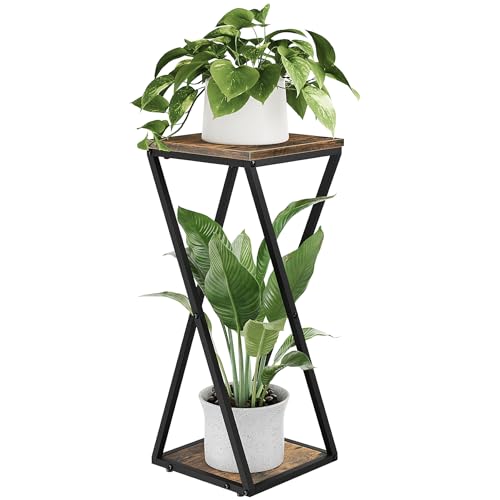 Bamworld Tall Plant Stand Indoor Corner, Brown
View Price
Bamworld Tall Plant Stand Indoor Corner, Brown
View Price
 10 Indoor Herb Garden Kit, 33-Piece Complete Kitchen Herb Starter Set
View Price
10 Indoor Herb Garden Kit, 33-Piece Complete Kitchen Herb Starter Set
View Price
Our Favorite Aprons, Potholders and Towels
- Free shipping over $35
- Picked at 4.3 stars or higher
 Damontray 3-Piece Cotton Blend Pot Holder Set
View Price
Damontray 3-Piece Cotton Blend Pot Holder Set
View Price
 KitchenAid Beacon 2-Piece Potholder Set
View Price
KitchenAid Beacon 2-Piece Potholder Set
View Price
 Lavish Home Silicone Pot Holder and Trivet Mat
View Price
Lavish Home Silicone Pot Holder and Trivet Mat
View Price
 Annistyn Cotton Waffle Dish Cloths
View Price
Annistyn Cotton Waffle Dish Cloths
View Price
 Assorted Cotton Waffle Dish Cloths
View Price
Assorted Cotton Waffle Dish Cloths
View Price
 Cerca Windowpane Waffle Dish Cloths
View Price
Cerca Windowpane Waffle Dish Cloths
View Price
 KitchenAid Albany Kitchen Towel 4-Pack
View Price
KitchenAid Albany Kitchen Towel 4-Pack
View Price
 KitchenAid Albany Dishcloth 8-Pack
View Price
KitchenAid Albany Dishcloth 8-Pack
View Price
 T-fal Flat Waffle Kitchen Dishcloth Set
View Price
T-fal Flat Waffle Kitchen Dishcloth Set
View Price
 KitchenAid Asteroid Textured Oven Mitt
View Price
KitchenAid Asteroid Textured Oven Mitt
View Price
 KitchenAid Ribbed Soft Silicone Oven Mitt
View Price
KitchenAid Ribbed Soft Silicone Oven Mitt
View Price
 Damontray 2-Piece Cotton Oven Mitt Set
View Price
Damontray 2-Piece Cotton Oven Mitt Set
View Price
 Solid Color Cotton Chef Apron
View Price
Solid Color Cotton Chef Apron
View Price
 Wolsingham Plaid Cotton Apron Set
View Price
Wolsingham Plaid Cotton Apron Set
View Price
 Zimmerman Striped Cotton Bib Apron
View Price
Zimmerman Striped Cotton Bib Apron
View Price
 Cotton Stripe Tea Towel
View Price
Cotton Stripe Tea Towel
View Price
 KAF Home Popcorn Terry Towels
View Price
KAF Home Popcorn Terry Towels
View Price
 Cotton Waffle Weave Tea Towel
View Price
Cotton Waffle Weave Tea Towel
View Price
Making Sage and Oak Work in a Small Kitchen
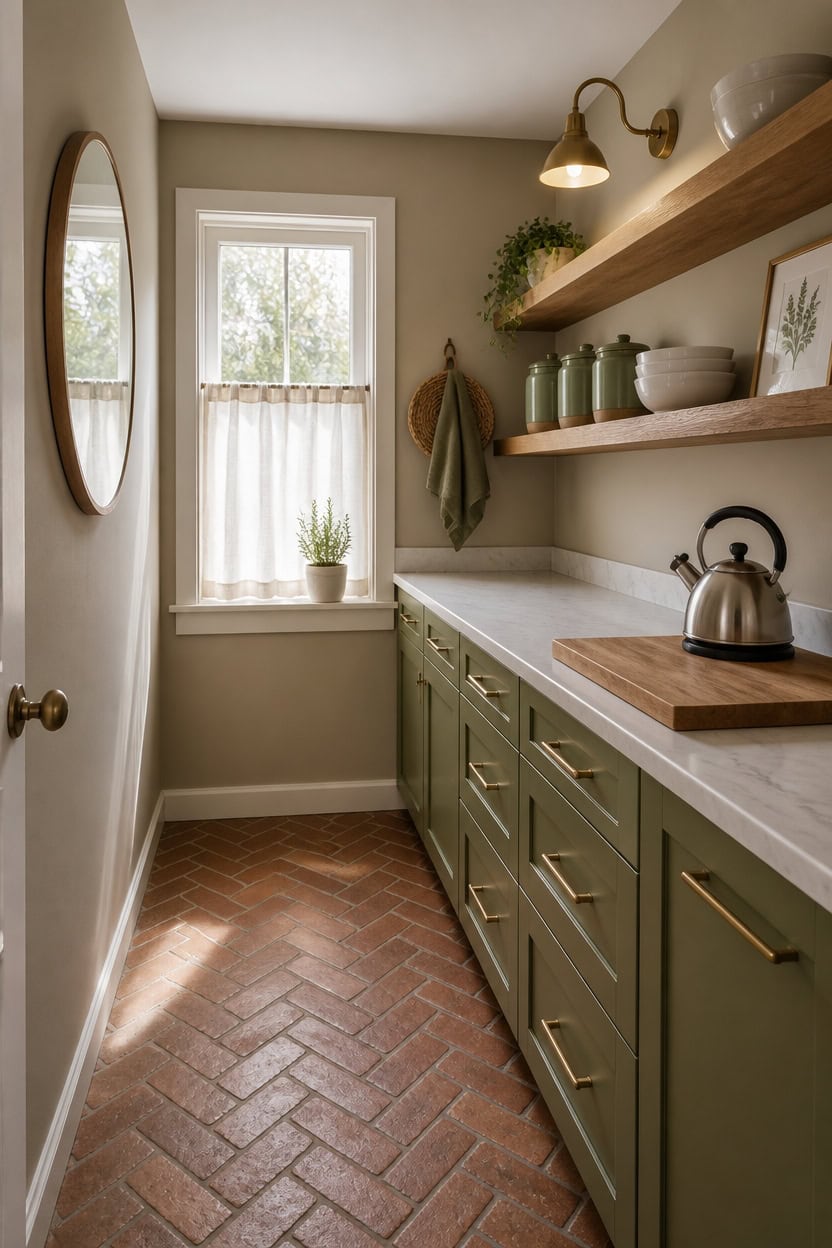
A small sage and oak kitchen feels larger when the walls stay light and the deepest green sits low, on the cabinets, instead of near the ceiling line. Painting the walls in Nordic Gray keeps the room bright while its warm undertone still echoes the oak trim underneath. Keep upper storage open or glass-front so the eye travels past the cabinets instead of stopping at a solid block.
Keep sightlines open: Choose open shelving over upper cabinets so light travels across the whole room.
Anchor with one dark tone: Use a single olive-toned cabinet run to add depth without shrinking the space.
Go slim on hardware: Thin pulls and low-profile knobs keep compact cabinets from feeling bulky.
Mirror the window: A mirror across from the window doubles the sense of space in a tight layout.
a muted, olive-based sage that grounds the base cabinets without adding visual weight in a small footprint. [mid-tone]
a warm, oak-toned neutral that keeps the compact room feeling open and sunlit. [mid-tone]
 Amazon Basics Electric Stainless Steel Kettle for Tea and Coffee, BPA-Free, Fast Boiling, Auto Shut-Off, 1 Liter, 1500W, Black and Silver
View Price
Amazon Basics Electric Stainless Steel Kettle for Tea and Coffee, BPA-Free, Fast Boiling, Auto Shut-Off, 1 Liter, 1500W, Black and Silver
View Price
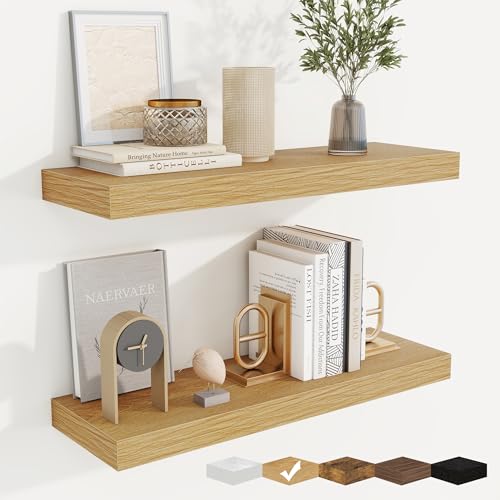 Floating Shelves for Wall, Wall Mounted Wood Shelves, Oak, Set of 2, 24in
View Price
Floating Shelves for Wall, Wall Mounted Wood Shelves, Oak, Set of 2, 24in
View Price
 56 Piece Apartment Essentials Dinnerware Set, Stackable Space-Saving Plates & Large Flat Bowls (Pasta/Salad), Modern Matte Unbreakable Plastic Dishes, Microwave Safe, Modern
View Price
56 Piece Apartment Essentials Dinnerware Set, Stackable Space-Saving Plates & Large Flat Bowls (Pasta/Salad), Modern Matte Unbreakable Plastic Dishes, Microwave Safe, Modern
View Price
 Ferrochef 3 Pcs Wall Hanging Baskets,Rectangle,Natural Tan,Paper Cord
View Price
Ferrochef 3 Pcs Wall Hanging Baskets,Rectangle,Natural Tan,Paper Cord
View Price
 LANE LINEN Dish Towels for Kitchen 100% Cotton Tightly Woven 6 Pack - Olive
View Price
LANE LINEN Dish Towels for Kitchen 100% Cotton Tightly Woven 6 Pack - Olive
View Price
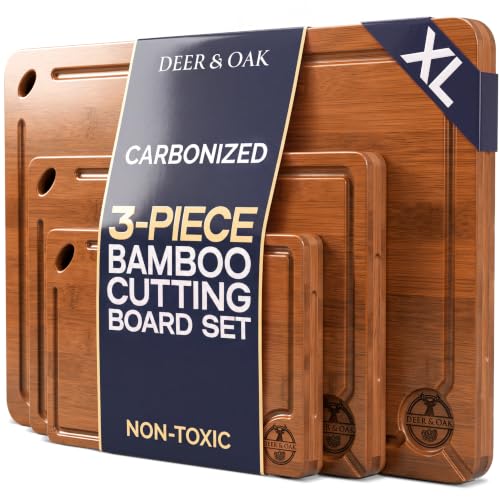 Deer & Oak 3-Piece Bamboo Cutting Board Carbonized Set, Pre-Oiled
View Price
Deer & Oak 3-Piece Bamboo Cutting Board Carbonized Set, Pre-Oiled
View Price
Budget-Friendly Ways to Get the Sage and Oak Look
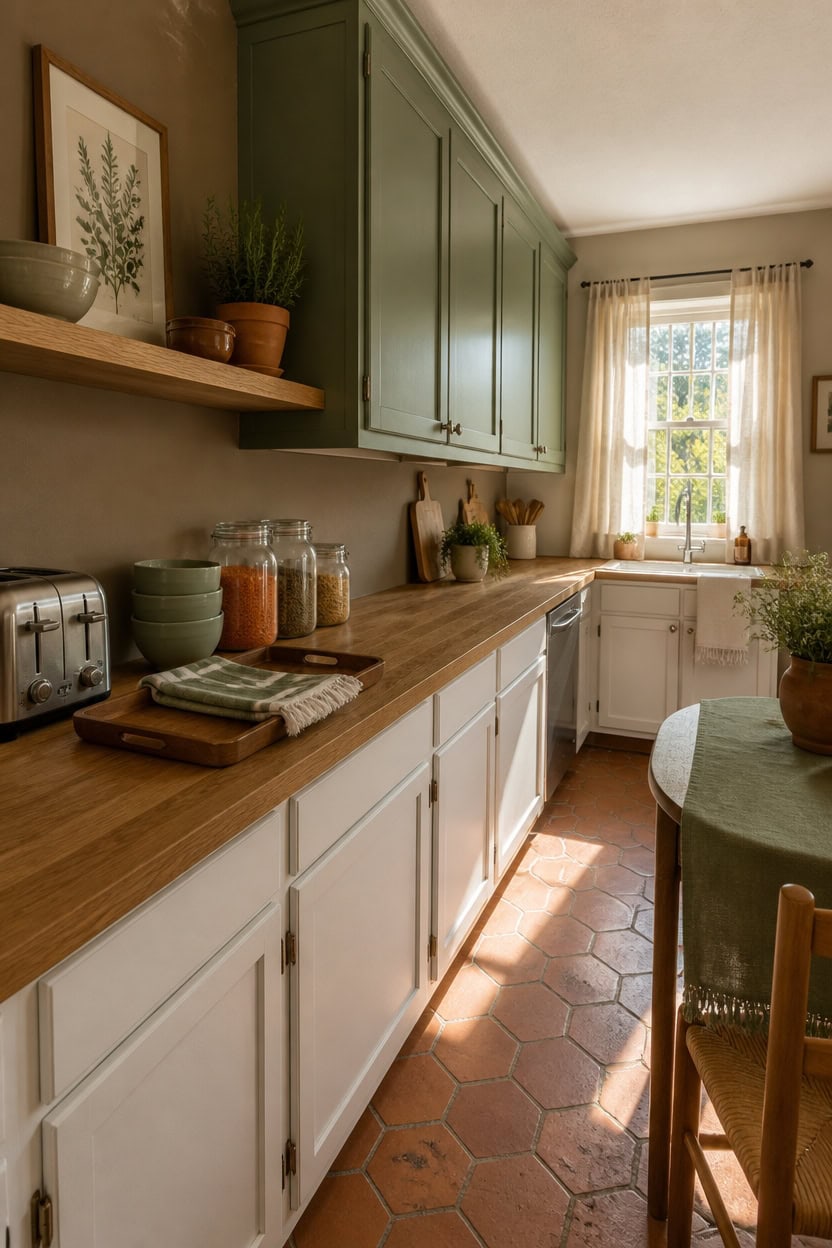
One accent wall in Tyler Taupe costs less than a full color overhaul and still ties the oak tones through the room. Limiting saturated color to a single wall lets a homeowner test the sage and oak pairing before committing to cabinets or trim. Pair it with a can of sage paint on the upper cabinet doors for a two-tone update that mimics a full remodel.
Repaint, don’t replace: Refresh cabinet doors with paint instead of buying new ones.
Shop remnant lumber: Use leftover oak boards for a small shelf or trim accent.
Swap hardware last: Keep existing hinges and update only visible knobs to save money.
Layer with textiles: Add sage towels and rugs to build color before repainting large surfaces.
a warm, oak-leaning neutral that adds depth for the cost of a single gallon. [mid-tone]
a soft, muted sage that freshens dated boxes without a full replacement. [mid-tone]
 bella 2 Slice Toaster, Extra Wide Slots, Stainless Steel
View Price
bella 2 Slice Toaster, Extra Wide Slots, Stainless Steel
View Price
 Wood Serving Tray with Handle, Set of 7 Nesting Rectangular Trays for Party
View Price
Wood Serving Tray with Handle, Set of 7 Nesting Rectangular Trays for Party
View Price
 MosJos Kitchen Towels, Cotton Hand Towels, Sage Green and Cream Ribbed - Mini Weaved Stitched Set of 4 Absorbent Hand Drying Cloths, 18 x 28 Kitchen Linens
View Price
Artoid Mode Sage Green Rustic Cotton Linen Table Runner, Seasonal Embroidered Hollow Kitchen Dining Table Decoration for Home Party Decor 13x90 Inch
View Price
MosJos Kitchen Towels, Cotton Hand Towels, Sage Green and Cream Ribbed - Mini Weaved Stitched Set of 4 Absorbent Hand Drying Cloths, 18 x 28 Kitchen Linens
View Price
Artoid Mode Sage Green Rustic Cotton Linen Table Runner, Seasonal Embroidered Hollow Kitchen Dining Table Decoration for Home Party Decor 13x90 Inch
View Price
 ComSaf Glass Pantry Storage Containers (0.7Qt/1.2Qt/1.6Qt) Set of 6, Square
View Price
ComSaf Glass Pantry Storage Containers (0.7Qt/1.2Qt/1.6Qt) Set of 6, Square
View Price
 Sage Green Botanical Wall Art Set of 2 Framed, Vintage Herb Floral Canvas Prints, Cottagecore French Country Decor for Living Room Bedroom Bathroom Kitchen, 12x16 Inch
View Price
Sage Green Botanical Wall Art Set of 2 Framed, Vintage Herb Floral Canvas Prints, Cottagecore French Country Decor for Living Room Bedroom Bathroom Kitchen, 12x16 Inch
View Price
Our Favorite Cooking Utensils
- Free shipping over $35
- Picked at 4.4 stars or higher
 Lux Decor 23-Piece Nylon and Stainless Steel Kitchen Utensil Set
View Price
Lux Decor 23-Piece Nylon and Stainless Steel Kitchen Utensil Set
View Price
 Caraway 5-Piece Wooden Utensil Set
View Price
Caraway 5-Piece Wooden Utensil Set
View Price
 BergHOFF Studio 23-Piece Tub of Cooking Utensils
View Price
BergHOFF Studio 23-Piece Tub of Cooking Utensils
View Price
 Rachael Ray Stainless Steel Bench Scraper
View Price
Rachael Ray Stainless Steel Bench Scraper
View Price
 Henckels Stainless Steel Silicone Tongs
View Price
Henckels Stainless Steel Silicone Tongs
View Price
 Cuisinox Disher Ice Cream Scoop
View Price
Cuisinox Disher Ice Cream Scoop
View Price
 Farberware Professional Ice Cream Scoop
View Price
Farberware Professional Ice Cream Scoop
View Price
 Henckels Stainless Steel Ladle
View Price
Henckels Stainless Steel Ladle
View Price
 Staub Silicone Spatula Spoon with Wood Handle
View Price
Staub Silicone Spatula Spoon with Wood Handle
View Price
 KitchenAid Gourmet Stainless Steel Flex Turner
View Price
KitchenAid Gourmet Stainless Steel Flex Turner
View Price
Design Mistakes That Clash With Sage and Oak
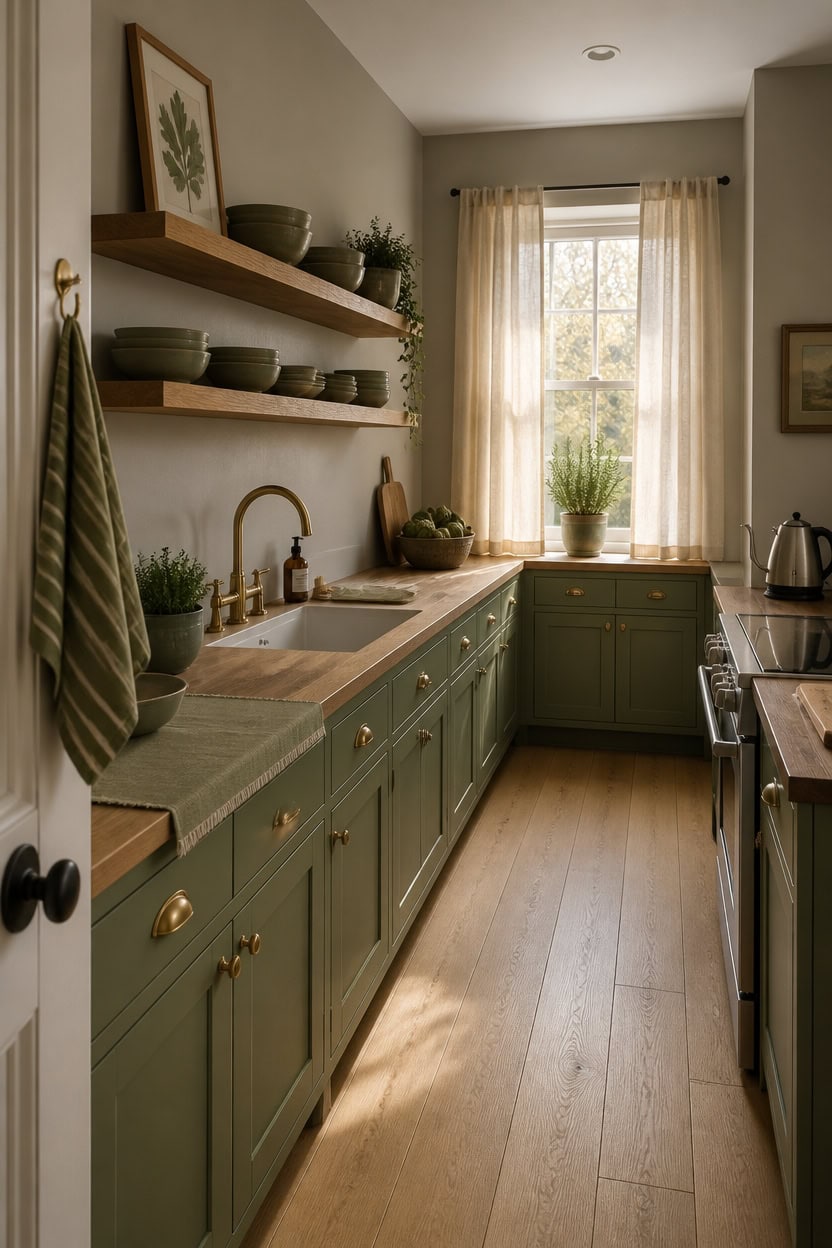
Painting sage cabinets a cool, blue-leaning shade is the fastest way to break the pairing, since oak’s warm undertones need a sage with yellow or olive in it, not a mint or teal cast. Cushing Green keeps that warmth intact on lower cabinets, while Nordic Gray on the walls echoes oak’s tan base instead of fighting it. Skipping a warm-toned test swatch next to real oak boards is the caveat that trips up most kitchen updates.
Cool-toned sage: Swap blue-based sage for an olive or yellow-leaning green that matches oak’s warmth.
Stark white trim: Trade bright white for a warm off-white so trim doesn’t fight the wood tones.
Mismatched metal finishes: Stick to one hardware finish, like brass or bronze, instead of mixing chrome and gold.
Busy patterned floors: Choose a simple floor pattern so it doesn’t compete with sage and oak grain.
an olive-leaning sage that grounds the room and pairs naturally with oak grain. [mid-tone]
a warm, oak-toned neutral that keeps the backdrop from reading cold. [mid-tone]
 Mecity Electric Kettle Gooseneck Water Kettle Stainless Steel Tea Kettle Water Boiler Fast Heating, Auto Shut Off, 27 fl oz, 1000W, Stainless Steel
View Price
Mecity Electric Kettle Gooseneck Water Kettle Stainless Steel Tea Kettle Water Boiler Fast Heating, Auto Shut Off, 27 fl oz, 1000W, Stainless Steel
View Price
 ROYAL CRAFT WOOD Wooden Cutting Boards for Kitchen Appliances - Non Toxic Bamboo Wood Cutting Board Set with Deep Juice Groove, Side Handles, Charcuterie & Butcher Block for Meat, Meal Prep & Serving
View Price
ROYAL CRAFT WOOD Wooden Cutting Boards for Kitchen Appliances - Non Toxic Bamboo Wood Cutting Board Set with Deep Juice Groove, Side Handles, Charcuterie & Butcher Block for Meat, Meal Prep & Serving
View Price
 KAF Home Premium Kitchen Towels (18" x 28"), Large 100% Cotton, Flat & Terry Absorbent Dish Towel Set (Olive, 18 x 28-6 Pack)
View Price
KAF Home Premium Kitchen Towels (18" x 28"), Large 100% Cotton, Flat & Terry Absorbent Dish Towel Set (Olive, 18 x 28-6 Pack)
View Price
 Artoid Mode Light Green Farmhouse Rustic Table Runner 12x72 Inch
View Price
Artoid Mode Light Green Farmhouse Rustic Table Runner 12x72 Inch
View Price
 Hicarer 15 Pack Antique Brass Cabinet Hardware Set 5" Hole Center 5 Drawer Pulls and 10 Knobs Vintage Retro Kitchen Cabinet Handles, Zinc Alloy Furniture Pulls for Kitchen Cupboard Bathroom
View Price
Hicarer 15 Pack Antique Brass Cabinet Hardware Set 5" Hole Center 5 Drawer Pulls and 10 Knobs Vintage Retro Kitchen Cabinet Handles, Zinc Alloy Furniture Pulls for Kitchen Cupboard Bathroom
View Price
 Ink Inc. Vintage Botanical Prints | Classic Common Kitchen Spices Set of 8 – Black Pepper, Bay Leaf, Cumin, Cayenne Pepper, Coriander, Cinnamon, Saffron, Turmeric – 5x7 - Framed, Oak Wood
View Price
Ink Inc. Vintage Botanical Prints | Classic Common Kitchen Spices Set of 8 – Black Pepper, Bay Leaf, Cumin, Cayenne Pepper, Coriander, Cinnamon, Saffron, Turmeric – 5x7 - Framed, Oak Wood
View Price