
How to Transform a Laundry Room With Black & White for Editors at Heart
If you’ve ever overlooked your laundry room as a design opportunity, a bold black-and-white palette might change your mind.
This classic combination brings editorial-level sophistication to even the most utilitarian spaces—and it’s easier to pull off than you’d think.
Here’s how to create a laundry room that’s as stylish as it is hardworking.
Why Black and White Works So Well in a Laundry Room
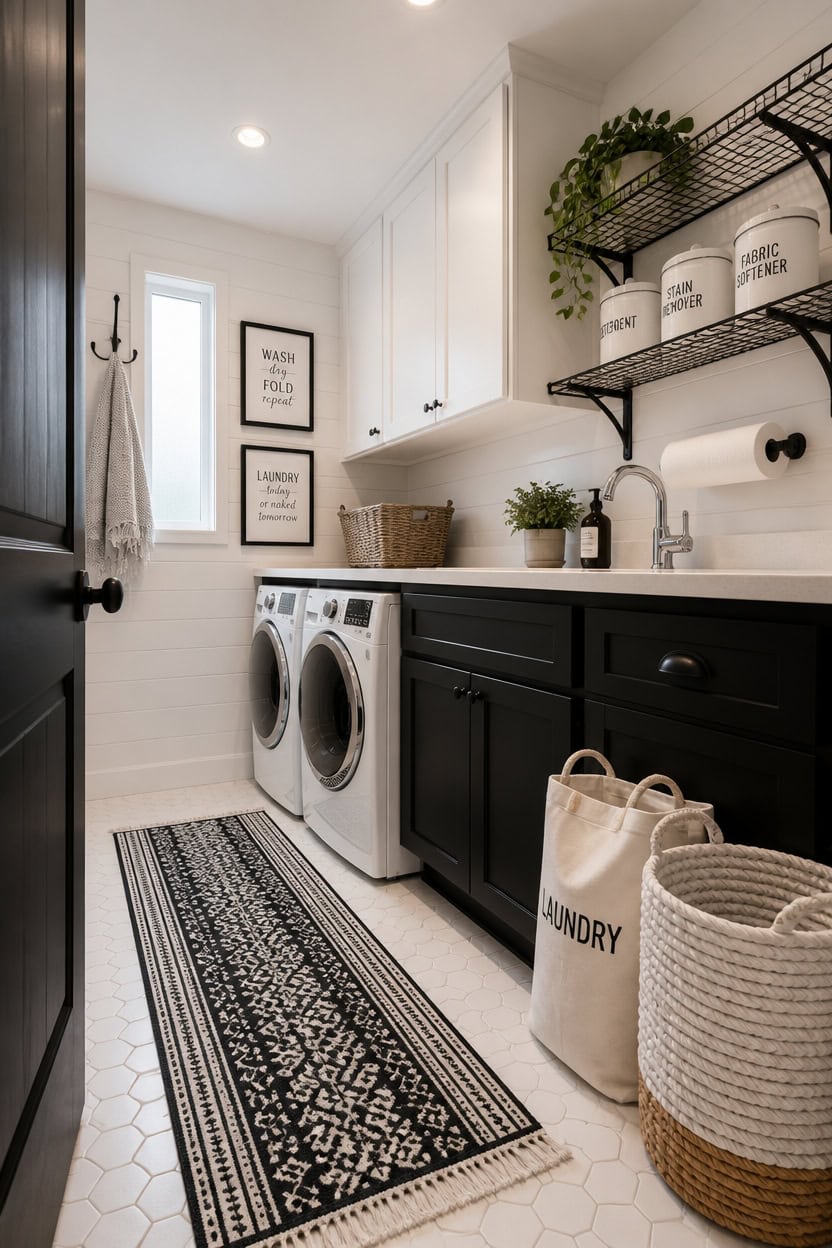
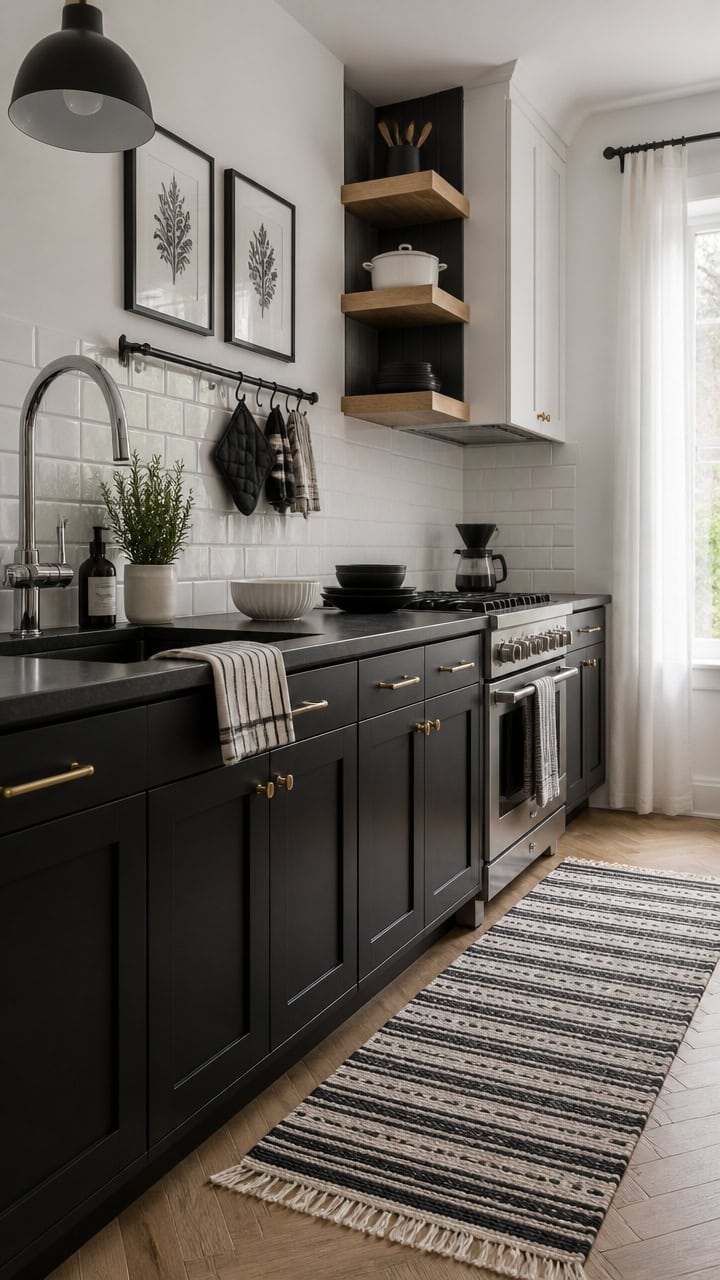
Black and white creates instant visual contrast that makes a laundry room feel intentional rather than purely functional. The two-tone pairing works because white reflects light in a typically windowless space while black grounds the room and hides scuffs on high-touch surfaces like cabinet fronts and baseboards. Use a 70/30 ratio with white dominant on walls and upper cabinets, and black used sparingly on hardware, shelving, and one accent surface.
Anchor with white walls: White keeps the space feeling open and clean, which matters in a small room with no natural light.
Add black on functional surfaces: Cabinet fronts, wire shelving, and utility hooks in black add structure without making the room feel heavy.
Break up the contrast: Add texture through woven baskets, cotton rugs, or wood elements so the space doesn’t feel clinical or stark.
Keep it consistent: Mixing in a third color like beige or gray can muddy the crisp look — stick tightly to the black and white palette.
a clean, bright white that amplifies light in compact laundry spaces without reading yellow under artificial lighting.
matched from the wall in this photo — the closest Benjamin Moore shade.
 Laundry Room Shelves Wall Mounted with Wire Baskets, Over the Washer and Dryer Shelf with Clothes Drying Rack, Wire Shelves Baskets for Laundry Closet Organization and Storage, Wood+Metal, Black
View Price
Laundry Room Shelves Wall Mounted with Wire Baskets, Over the Washer and Dryer Shelf with Clothes Drying Rack, Wire Shelves Baskets for Laundry Closet Organization and Storage, Wood+Metal, Black
View Price
 10 Strawberry Street Embossed Ceramic Kitchen Canister Set, Set of 3, Hampton White
View Price
10 Strawberry Street Embossed Ceramic Kitchen Canister Set, Set of 3, Hampton White
View Price
 Ileading Laundry Room Runner Rug 2'x6' Non Slip Farmhouse Kitchen Floor Mats with Rubber Backing Machine Washable Indoor Helloween Decor Carpet for Doormat Hallway Entryway Petmat Garaga(Black&White)
View Price
Ileading Laundry Room Runner Rug 2'x6' Non Slip Farmhouse Kitchen Floor Mats with Rubber Backing Machine Washable Indoor Helloween Decor Carpet for Doormat Hallway Entryway Petmat Garaga(Black&White)
View Price
 VIRETH HAUS 5-Pack Storage Cubes Woven Rope Baskets, 2 Sizes Organizer Bins
View Price
VIRETH HAUS 5-Pack Storage Cubes Woven Rope Baskets, 2 Sizes Organizer Bins
View Price
 Stur-De Wrought Iron Paper Towel Holder, Black, 13.7 x 4.5 x 1.5 inch
View Price
Stur-De Wrought Iron Paper Towel Holder, Black, 13.7 x 4.5 x 1.5 inch
View Price
 Lifewit 105L Large Laundry Basket with Lid, Removable Bags, White
View Price
Lifewit 105L Large Laundry Basket with Lid, Removable Bags, White
View Price
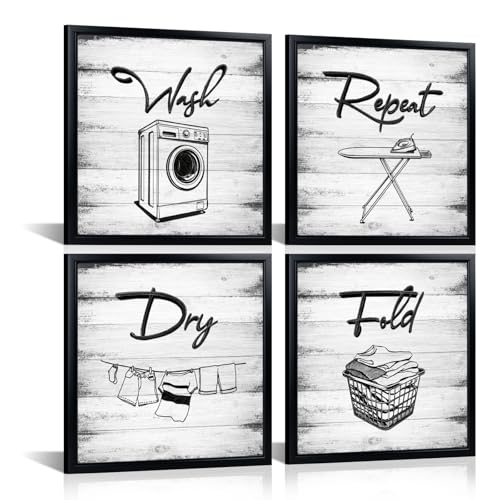 Artmyharbor 4 Pieces Laundry Room Wall Art
View Price
Artmyharbor 4 Pieces Laundry Room Wall Art
View Price
 RTZEN Classic Farmhouse Wall Mount Multi-Use Wrought Iron Hook Set (3 Pack)
View Price
RTZEN Classic Farmhouse Wall Mount Multi-Use Wrought Iron Hook Set (3 Pack)
View Price
How to Keep the Space From Feeling Cold
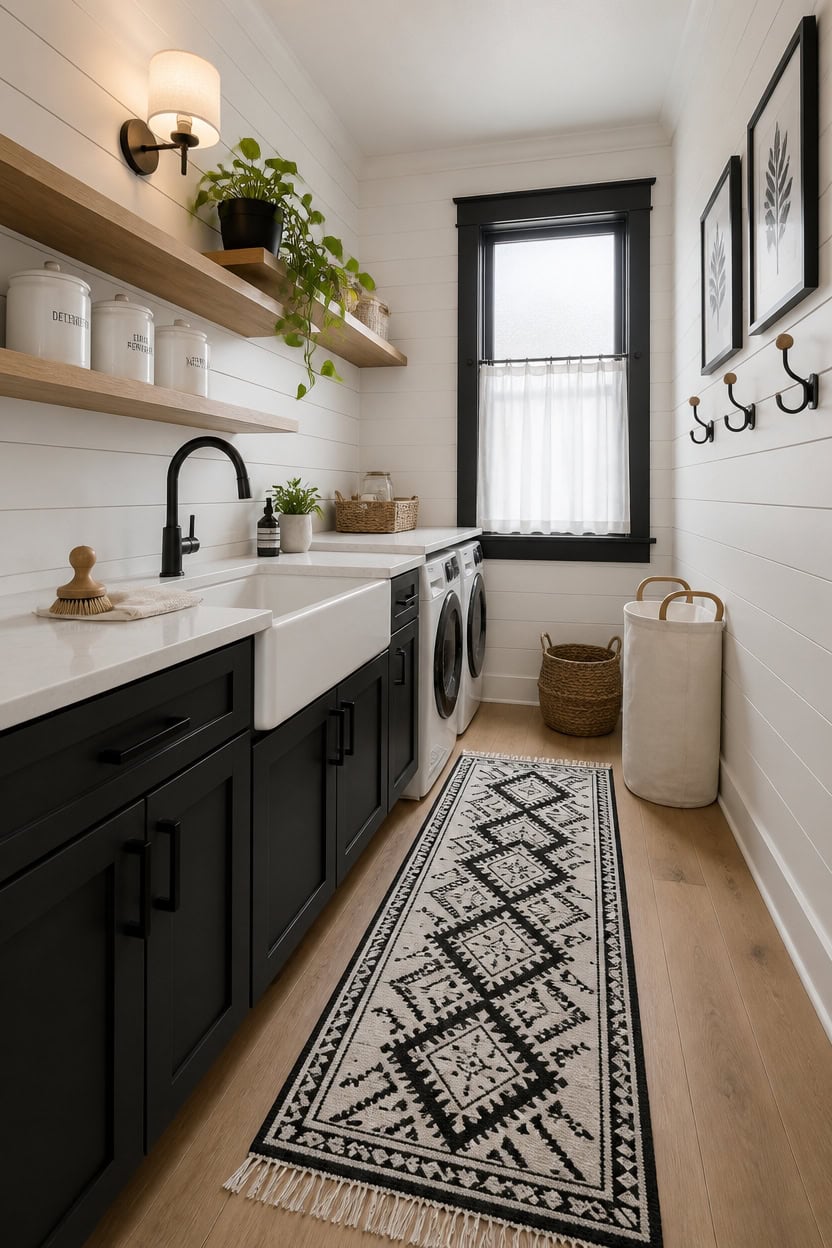
Warm textures are the fastest fix for a black and white laundry room that reads too sterile. Natural materials like wood, cotton, and woven fibers absorb the visual sharpness of high-contrast color and make a purely functional space feel like it was decorated on purpose. Layer them through rugs, baskets, and small wood accents rather than introducing new colors that break the palette.
Bring in natural fiber: A woven cotton runner or jute basket adds organic warmth without introducing a third color.
Add a plant or two: A small trailing plant on a shelf softens hard edges and adds life to a high-contrast space.
Use wood tones carefully: A wood shelf bracket, a wood-handled brush, or a wood laundry sign adds warmth without competing with the black and white palette.
Choose matte over glossy: Matte black finishes and flat-painted cabinets absorb light softly, which reads warmer than shiny or chrome surfaces.
a clean white that stays warm under artificial light without shifting yellow or gray.
matched from the wall in this photo — the closest Benjamin Moore shade.
 Ileading Laundry Room Runner Rug 2x5ft Non Slip Farmhouse Kitchen Floor Mats with Rubber Backing Machine Washable Indoor Doormat Low-Profile Carpet for Hallway Entryway(Black&White)
View Price
Ileading Laundry Room Runner Rug 2x5ft Non Slip Farmhouse Kitchen Floor Mats with Rubber Backing Machine Washable Indoor Doormat Low-Profile Carpet for Hallway Entryway(Black&White)
View Price
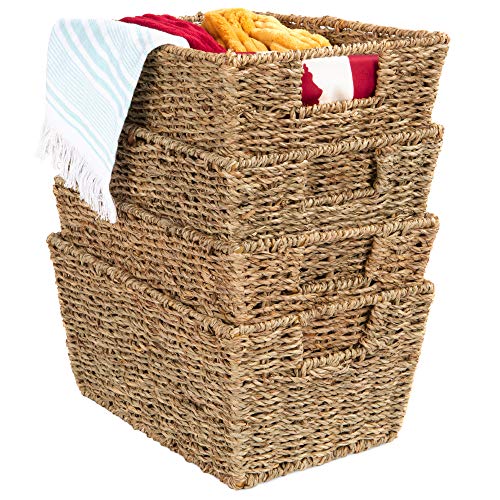 Best Choice Products Rustic Set Of 4 Multipurpose Stackable Seagrass Storage Basket, Handwoven Laundry Organizer Totes for Bedroom and Living Room, Shelves, Pantry w/Insert Handles - Natural
View Price
Best Choice Products Rustic Set Of 4 Multipurpose Stackable Seagrass Storage Basket, Handwoven Laundry Organizer Totes for Bedroom and Living Room, Shelves, Pantry w/Insert Handles - Natural
View Price
 American Plant Exchange Golden Pothos – Live 8-Inch Hanging Basket, Devil’s Ivy, Easy-Care Air Purifying Houseplant, Fast-Growing Trailing Vine for Hanging Planters, Indoor Home or Office Décor
View Price
American Plant Exchange Golden Pothos – Live 8-Inch Hanging Basket, Devil’s Ivy, Easy-Care Air Purifying Houseplant, Fast-Growing Trailing Vine for Hanging Planters, Indoor Home or Office Décor
View Price
 FILWH Laundry Hamper with Lid (16.9 * 13 * 26.5inches) Large Bamboo Laundry Bin Basket 85L Clothes Hamper with 1 Removable Bag Storage baskets for Bathroom (White)
View Price
FILWH Laundry Hamper with Lid (16.9 * 13 * 26.5inches) Large Bamboo Laundry Bin Basket 85L Clothes Hamper with 1 Removable Bag Storage baskets for Bathroom (White)
View Price
 Craftsman Road Vintage Cast Iron Wall Hooks (Black Texture Finish, Set of 4) - Rustic, Farmhouse Coat Hooks | Great for Coats, Bags, Towels, Hats | Classic Slender
View Price
Craftsman Road Vintage Cast Iron Wall Hooks (Black Texture Finish, Set of 4) - Rustic, Farmhouse Coat Hooks | Great for Coats, Bags, Towels, Hats | Classic Slender
View Price
 Ceramic Kitchen Canisters for Countertop Set of 3 w/ Airtight Ceramic Lids
View Price
Ceramic Kitchen Canisters for Countertop Set of 3 w/ Airtight Ceramic Lids
View Price
 Framed Vintage Botanical Wall Art Black White Stripe Floral Bathroom Decor
View Price
Framed Vintage Botanical Wall Art Black White Stripe Floral Bathroom Decor
View Price
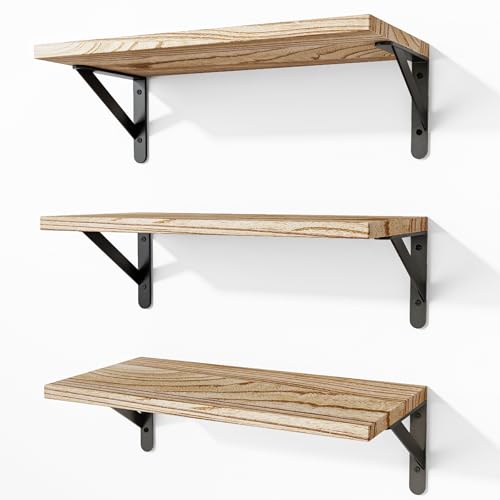 Fixwal Wall Floating Shelves for Decor (Light Brown, Set of 3, 16.5 Inch)
View Price
Fixwal Wall Floating Shelves for Decor (Light Brown, Set of 3, 16.5 Inch)
View Price
Black and White Laundry Room Ideas Worth Stealing
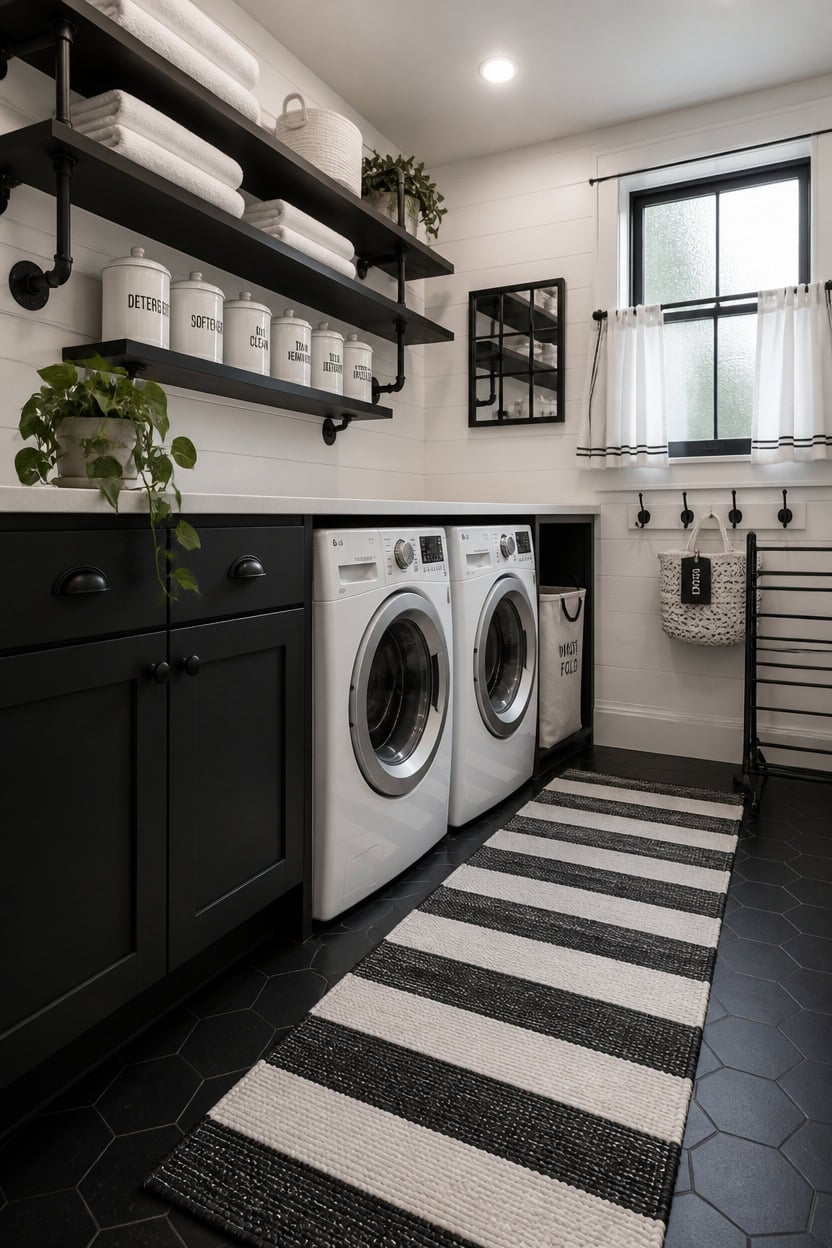
Black and white laundry rooms work best when each design choice pulls double duty — visual impact and real function happening at the same time. The strongest versions aren’t decorated with one big statement piece but built through a series of small, deliberate choices that stack up. Steal from the ones that work by focusing on what they have in common: contrast that’s controlled, storage that looks intentional, and texture that keeps the space from feeling like a hospital hallway.
Anchor with pattern: A bold black and white stripe or grid pattern on a rug or window shade gives the room a clear visual starting point without adding color.
Stack open storage: Open black wire or iron shelving lets white folded towels and labeled white canisters become part of the display instead of hidden clutter.
Make the machines matter: Front-load washers and dryers in white or matte black look intentional when framed by dark cabinet doors or a matching countertop above them.
Label everything uniformly: Black labels on white canisters or white chalk labels on dark containers tie storage together so it reads as a system, not an afterthought.
a clean, warm white that keeps the space feeling open without competing with bold black accents.
a flat, true black that anchors the room and makes white walls and hardware pop cleanly against it.
 Smiry Black and White Striped Runner Rug 2x6, Washable Kitchen Hallway Rug
View Price
Smiry Black and White Striped Runner Rug 2x6, Washable Kitchen Hallway Rug
View Price
 3IngSeagulls 2 Pack Laundry Room Shelves, Wire Baskets with 8 Hooks, Over Washer and Dryer Shelf, Wall Mounted Storage and Clothes Drying Rack, Black
View Price
3IngSeagulls 2 Pack Laundry Room Shelves, Wire Baskets with 8 Hooks, Over Washer and Dryer Shelf, Wall Mounted Storage and Clothes Drying Rack, Black
View Price
 Glass Jars and Dryer Sheet Holder, Dispenser Set with Lids and Labels, Containers for Laundry Room Organization and Storage, Half Gallon Airtight Glass jars, Acrylic Storage Box for Laundry supplies,
View Price
Glass Jars and Dryer Sheet Holder, Dispenser Set with Lids and Labels, Containers for Laundry Room Organization and Storage, Half Gallon Airtight Glass jars, Acrylic Storage Box for Laundry supplies,
View Price
 TJ.MOREE Ironing Board Hanger Metal Wall Mount Iron and Ironing Board Holder, Laundry Room Decor and Storage with Large Storage Black
View Price
TJ.MOREE Ironing Board Hanger Metal Wall Mount Iron and Ironing Board Holder, Laundry Room Decor and Storage with Large Storage Black
View Price
 STORAGE MANIAC 2-Pack Collapsible Laundry Hamper with Bamboo Handles, Black
View Price
STORAGE MANIAC 2-Pack Collapsible Laundry Hamper with Bamboo Handles, Black
View Price
 Honiway Black Wall Decor Wall Mirror 12 inch Boho Wall Decor Wood Decorative Mirror for Room Decor Home Decor for Bedroom Living Room Bathroom Kitchen Black
View Price
Honiway Black Wall Decor Wall Mirror 12 inch Boho Wall Decor Wood Decorative Mirror for Room Decor Home Decor for Bedroom Living Room Bathroom Kitchen Black
View Price
 Best Choice Products Pantry Baskets Set of 2 16x12in Water Hyacinth Storage Baskets, Woven Wicker Kitchen Organizers with handles w/Chalkboard Label Chalk Marker - Black
View Price
Best Choice Products Pantry Baskets Set of 2 16x12in Water Hyacinth Storage Baskets, Woven Wicker Kitchen Organizers with handles w/Chalkboard Label Chalk Marker - Black
View Price
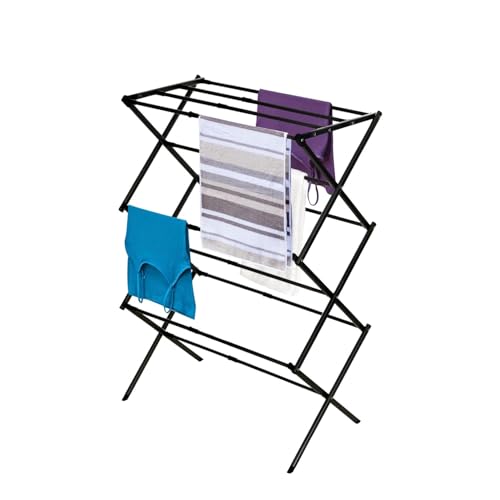 Black+Decker 3 Tier Expandable Collapsing Foldable Laundry Rack for Air Drying Clothing, Space Saving Heavy Duty Lightweight Metal Drying Rack, Black
View Price
Black+Decker 3 Tier Expandable Collapsing Foldable Laundry Rack for Air Drying Clothing, Space Saving Heavy Duty Lightweight Metal Drying Rack, Black
View Price
Should You Paint or Tile Your Laundry Room Walls?
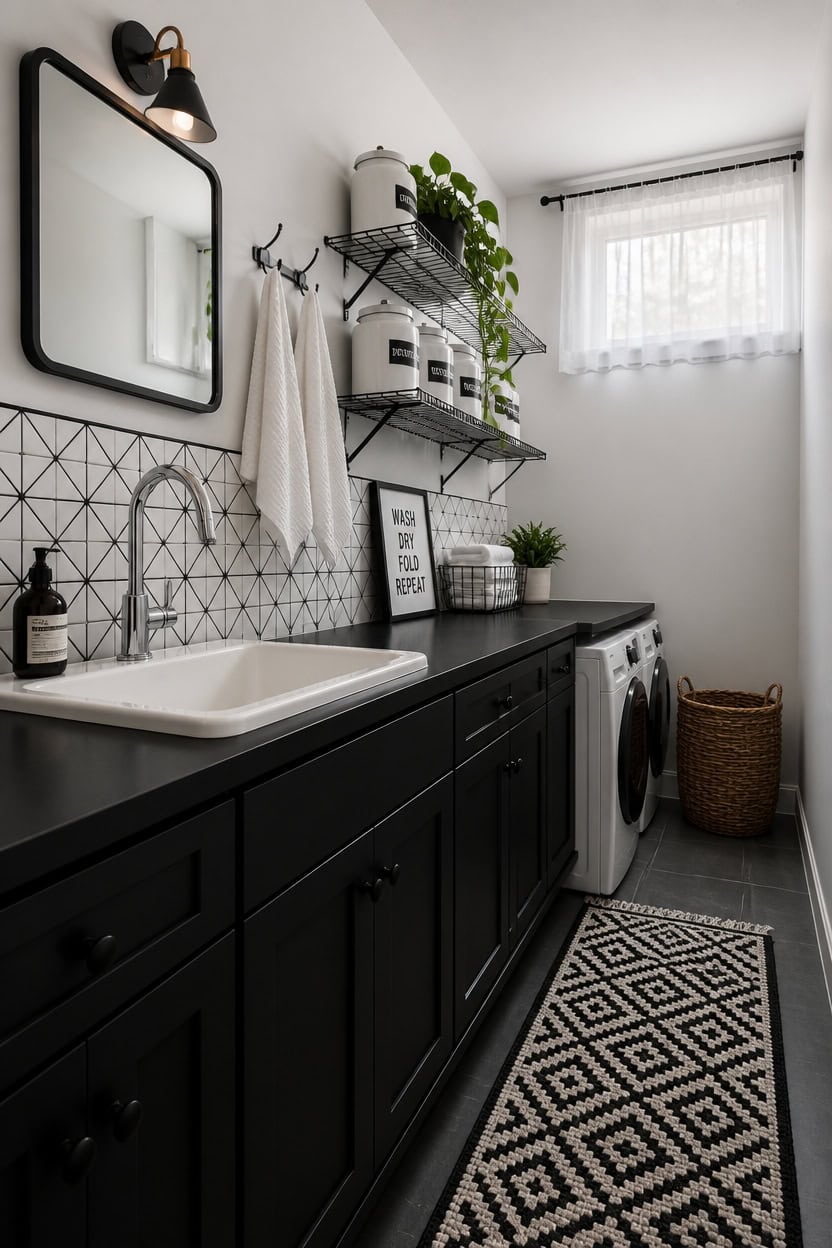
Paint works better than tile for most laundry room walls because it’s faster to apply, easier to update, and gives you full control over the black and white ratio in the space. Tile makes the most sense on walls directly behind the sink or near the washer where moisture and splashing are constant problems. Use paint everywhere else and reserve tile as a practical accent, not a full-wall solution.
Go paint-first on upper walls: Paint dries faster, costs less, and lets you shift the black-to-white balance without a contractor.
Tile the splash zone only: A small tiled section directly behind the utility sink handles moisture without committing the whole room to grout lines.
Use peel-and-stick for renters: Removable black and white tile panels give the look of real tile behind the machines without permanent installation.
Match grout to your palette: If you do tile, white grout on white tile disappears cleanly while dark grout on white tile adds intentional contrast.
a clean, bright white that makes the laundry room feel open and keeps black accents from overwhelming the space.
 Timeet Thicken Glossy Backsplash Kitchen Contact Paper Tile Wallpaper Removable Self Adhesive Black White Peel and Stick Wallpaper for Bathroom Laundry Room 17.7"x78.7" Vinyl Film
View Price
Timeet Thicken Glossy Backsplash Kitchen Contact Paper Tile Wallpaper Removable Self Adhesive Black White Peel and Stick Wallpaper for Bathroom Laundry Room 17.7"x78.7" Vinyl Film
View Price
 Miuara 24 x 19 Inch Undermount or Drop In Fireclay Kitchen Sink White
View Price
Miuara 24 x 19 Inch Undermount or Drop In Fireclay Kitchen Sink White
View Price
 MSJGA Laundry Room Shelves, Wall Mounted Storage Basket, 11.8"Wx7.9"Dx8.5"H
View Price
MSJGA Laundry Room Shelves, Wall Mounted Storage Basket, 11.8"Wx7.9"Dx8.5"H
View Price
 Jacquotha Waffle Hand Towels 2-Piece (Mist White) – Cotton, Quick Dry, Lint Free, 13” x 29”
View Price
Jacquotha Waffle Hand Towels 2-Piece (Mist White) – Cotton, Quick Dry, Lint Free, 13” x 29”
View Price
 Kate and Laurel Calter Framed Square Wall Mirror, 29.5 x 29.5, Black
View Price
Kate and Laurel Calter Framed Square Wall Mirror, 29.5 x 29.5, Black
View Price
 Kitchen Canisters Set of 3, Metal Flour Sugar Storage Containers with Airtight Lids-Canisters Sets for Kitchen with Customizable Chalkboard Labels & Marker Pen-Spice, Coffee Storage Jars(Black)
View Price
Kitchen Canisters Set of 3, Metal Flour Sugar Storage Containers with Airtight Lids-Canisters Sets for Kitchen with Customizable Chalkboard Labels & Marker Pen-Spice, Coffee Storage Jars(Black)
View Price
 Railroad Spike Cast Iron Hooks (10 Pack) Handmade Blacksmith, Wall Mounted Farmhouse Decorative Hooks, PowderCoated for Interior or Exterior Use, Rust Proof for Hanging Coats, Bags or Pots (Black)
View Price
Railroad Spike Cast Iron Hooks (10 Pack) Handmade Blacksmith, Wall Mounted Farmhouse Decorative Hooks, PowderCoated for Interior or Exterior Use, Rust Proof for Hanging Coats, Bags or Pots (Black)
View Price
 Lahome Boho Bathroom Runner Rug, 2x6 Washable Rugs for Kitchen Hallway
View Price
Lahome Boho Bathroom Runner Rug, 2x6 Washable Rugs for Kitchen Hallway
View Price
Black and White Flooring That Anchors the Whole Look
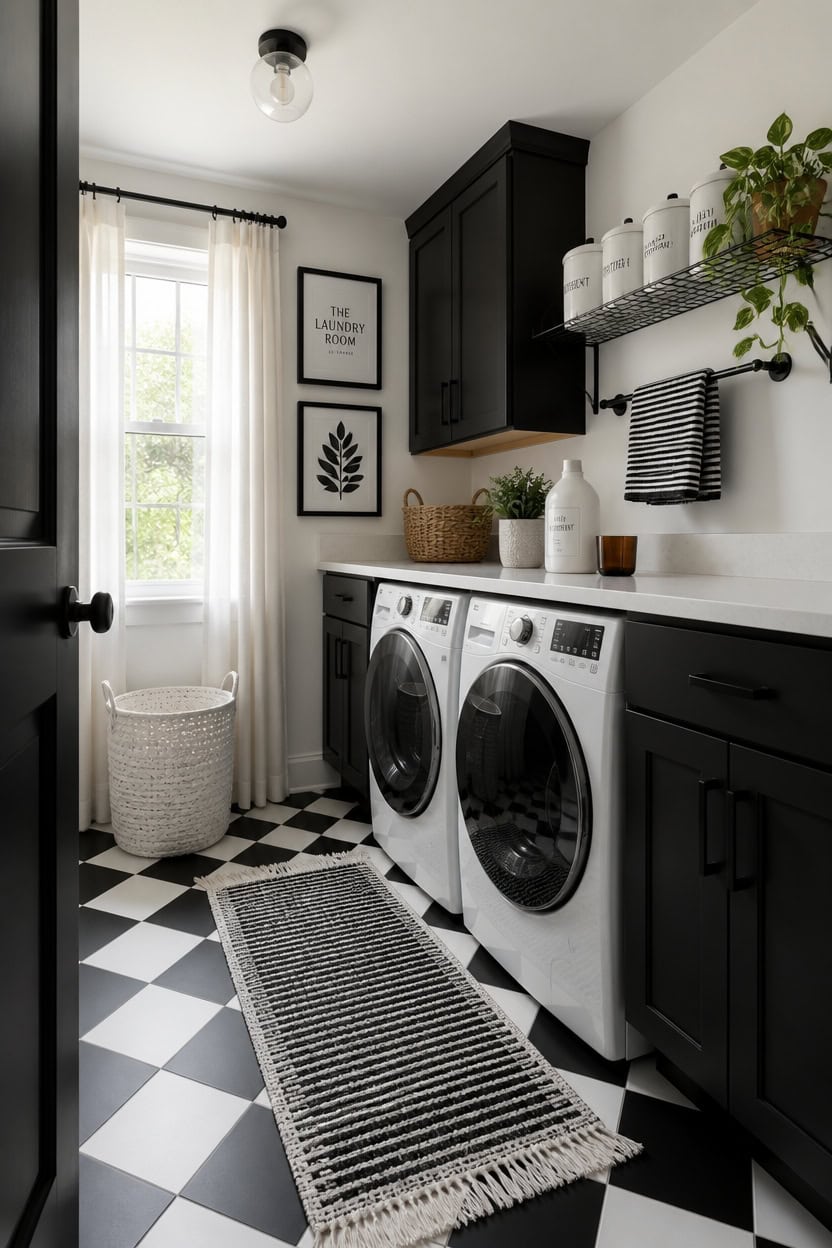
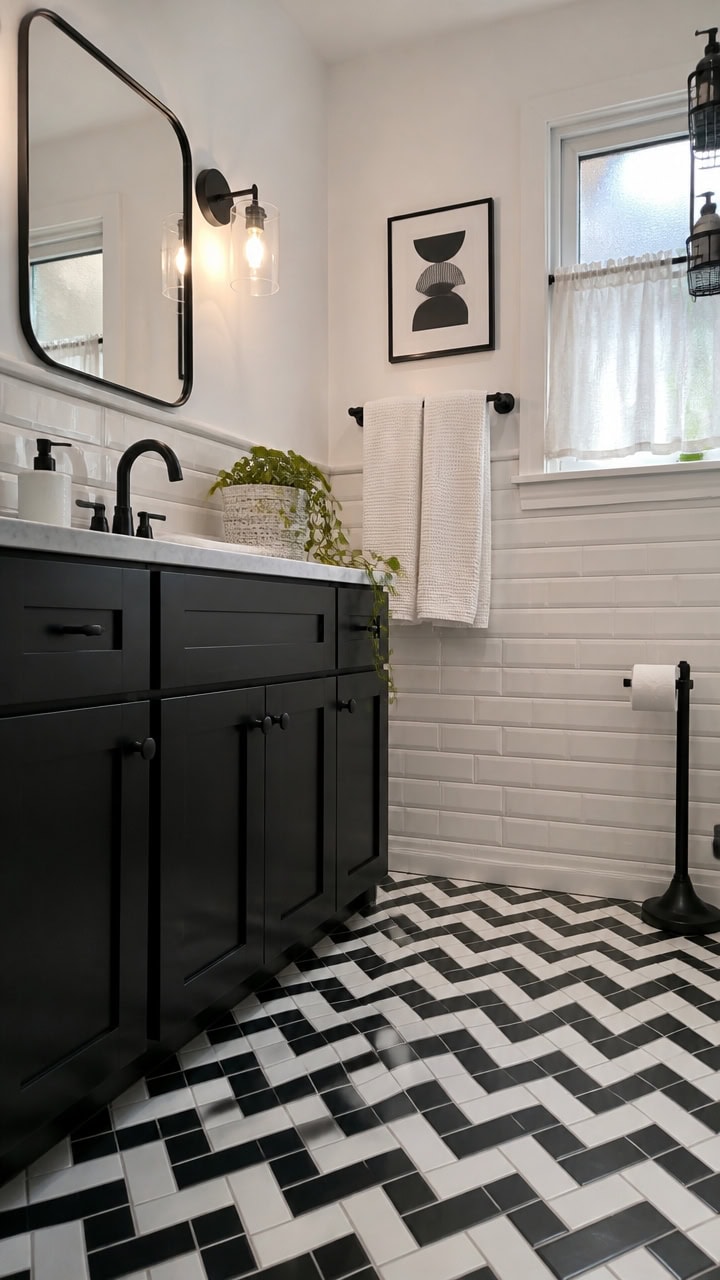
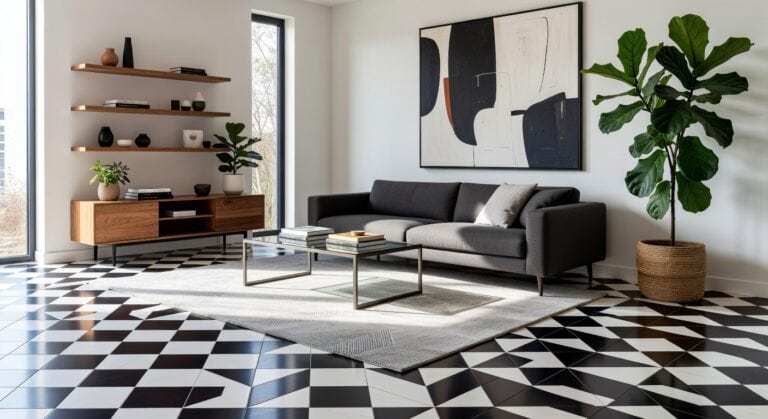
Black and white tile floors do more work in a laundry room than any other surface because they’re visible from the doorway and set the tone before anything else registers. A checkerboard or diagonal grid pattern in a small space creates a sense of order that makes the room feel intentional rather than purely utilitarian. Choose a matte finish over glossy to avoid showing every footprint and water drip the room generates daily.
Go matte, not glossy: Matte black and white floor tile hides scuff marks and detergent splashes far better than a high-sheen surface.
Use diagonal placement: Setting square tiles at a 45-degree angle makes a narrow laundry room feel wider than straight grid placement does.
Match grout to one tile color: White grout with white tiles minimizes visual noise; dark grout emphasizes the grid and sharpens the contrast.
Extend into adjacent space: Running the same floor pattern into a connected hallway or mudroom makes both spaces feel larger and more connected.
a clean warm white that lets a bold black and white floor pattern anchor the room without competing with the walls.
a flat true black that echoes the floor’s dark tiles and locks the contrast in place from floor to ceiling.
 Nexus Peel & Stick Vinyl Floor Tiles, 20-Pack, 12 x 12 in, Black
View Price
Nexus Peel & Stick Vinyl Floor Tiles, 20-Pack, 12 x 12 in, Black
View Price
 Tenedos HTCRC 8x8 Inches Geometric Pattern Matte Porcelain Tile – Black and White Decorative Square Tile for Wall and Floor, Kitchen, Bathroom, Backsplash (34 Pieces - 14.45 Sqft)
View Price
Tenedos HTCRC 8x8 Inches Geometric Pattern Matte Porcelain Tile – Black and White Decorative Square Tile for Wall and Floor, Kitchen, Bathroom, Backsplash (34 Pieces - 14.45 Sqft)
View Price
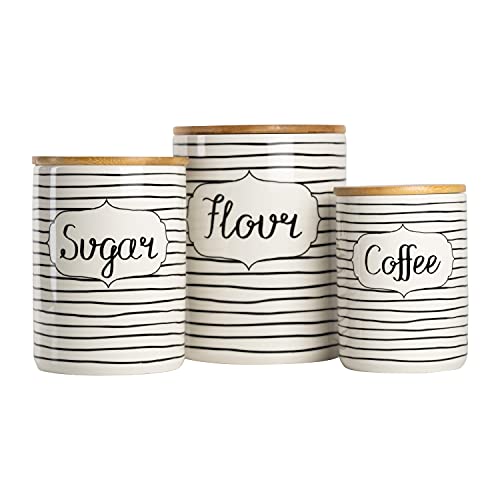 10 Strawberry Street Labeled Ceramic Kitchen Canister Set, Set of 3, Coffee Sugar Flour, White/Black, Bamboo Lids
View Price
10 Strawberry Street Labeled Ceramic Kitchen Canister Set, Set of 3, Coffee Sugar Flour, White/Black, Bamboo Lids
View Price
 HITSLAM Matte Black 30 Inch Towel Bar for Bathroom, SUS304 Stainless Steel Bathroom Towel Rack Wall Mounted, Modern Home Decor Bath Towel Holder with Hardware Accessories (Total Length 31.6 Inch)
View Price
HITSLAM Matte Black 30 Inch Towel Bar for Bathroom, SUS304 Stainless Steel Bathroom Towel Rack Wall Mounted, Modern Home Decor Bath Towel Holder with Hardware Accessories (Total Length 31.6 Inch)
View Price
 WALMANN 2-Pack Garage Wall Shelf, 23.5" x 12" Wall Mounted Storage Shelves
View Price
WALMANN 2-Pack Garage Wall Shelf, 23.5" x 12" Wall Mounted Storage Shelves
View Price
 Framed 3Pcs Black Labrador Dog Bathroom Art Wall Decor Cute Animal Print Picture Funny Labrador Artwork Washroom Home Decoration
View Price
Framed 3Pcs Black Labrador Dog Bathroom Art Wall Decor Cute Animal Print Picture Funny Labrador Artwork Washroom Home Decoration
View Price
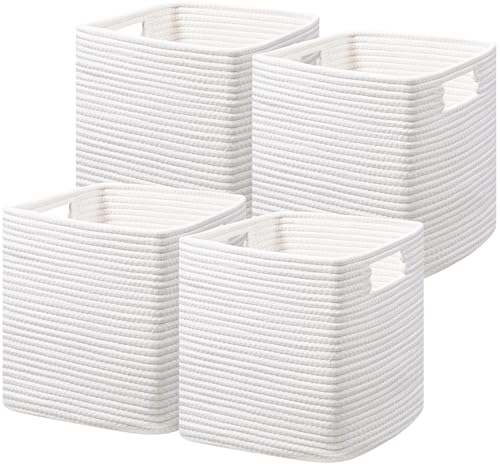 UBBCARE Set of 4 Cotton Rope Basket 13 X 13 X 13 Inches, Woven Storage Baskets for Shelves, Organizing with Handles, Cube Storage Bins for Storage Books, Magazines, White
View Price
UBBCARE Set of 4 Cotton Rope Basket 13 X 13 X 13 Inches, Woven Storage Baskets for Shelves, Organizing with Handles, Cube Storage Bins for Storage Books, Magazines, White
View Price
Laundry Room Runners for This Palette
Rugs USA best-selling runners in this palette's colors, linked in 2' 6" x 6', the size that fits in front of a washer and dryer. Many are machine washable.
- Free shipping
- 30-day returns
- 210,000+ five-star reviews
 Simple Serpent Rug – Black & Off White
View Price
Simple Serpent Rug – Black & Off White
View Price
 Everywhere Hand-Braided Indoor/Outdoor Rug – Salt And Pepper
View Price
Everywhere Hand-Braided Indoor/Outdoor Rug – Salt And Pepper
View Price
 Ring Around The Rosette Rug – Black
View Price
Ring Around The Rosette Rug – Black
View Price
 Jute Braided Rug – Black
View Price
Jute Braided Rug – Black
View Price
 Seagrass with Border Rug – Black
View Price
Seagrass with Border Rug – Black
View Price
 Moroccan Trellis Rug – Black
View Price
Moroccan Trellis Rug – Black
View Price
 Irregular Parallel Bars Rug – Black
View Price
Irregular Parallel Bars Rug – Black
View Price
 Shaggy Moroccan Lattice Fringe Rug – Black
View Price
Shaggy Moroccan Lattice Fringe Rug – Black
View Price
 Paddle Rug – Black
View Price
Paddle Rug – Black
View Price
 Monochrome Bordered Indoor/Outdoor Rug – Grey
View Price
Monochrome Bordered Indoor/Outdoor Rug – Grey
View Price
 Dotted Diamond Trellis Rug – Black
View Price
Dotted Diamond Trellis Rug – Black
View Price
 Jute Harlequin Trellis Rug – Black
View Price
Jute Harlequin Trellis Rug – Black
View Price
 Moroccan Diamond Pinstripes Tassel Rug – Black
View Price
Moroccan Diamond Pinstripes Tassel Rug – Black
View Price
 Vibrant Meadow Rug – Black
View Price
Vibrant Meadow Rug – Black
View Price
 Solid Leather Flatweave Rug – Black
View Price
Solid Leather Flatweave Rug – Black
View Price
 Ashen Braided Tassel Indoor/Outdoor Rug – Salt and Pepper
View Price
Ashen Braided Tassel Indoor/Outdoor Rug – Salt and Pepper
View Price
 Abstract Rainfall Rug – Black
View Price
Abstract Rainfall Rug – Black
View Price
 Checker Weave Seagrass Rug – Black
View Price
Checker Weave Seagrass Rug – Black
View Price
 Chevron Stripes Rug – Black
View Price
Chevron Stripes Rug – Black
View Price
 Jute Rug – Black
View Price
Jute Rug – Black
View Price
 Seagrass Herringbone Rug – Black
View Price
Seagrass Herringbone Rug – Black
View Price
 Chunky Jute Tasseled Rug – Off White
View Price
Chunky Jute Tasseled Rug – Off White
View Price
 Softest Knit Wool Rug – Off White
View Price
Softest Knit Wool Rug – Off White
View Price
 Jute Braided Rug – Off White
View Price
Jute Braided Rug – Off White
View Price
 Diamond Pinstripes Washable Rug – White
View Price
Diamond Pinstripes Washable Rug – White
View Price
 Jute Braided Saturn Border Rug – Off White
View Price
Jute Braided Saturn Border Rug – Off White
View Price
 Jute And Denim Even Stripes Rug – Off White
View Price
Jute And Denim Even Stripes Rug – Off White
View Price
 Handwoven Jute Jagged Chevron Rug – Off White
View Price
Handwoven Jute Jagged Chevron Rug – Off White
View Price
 Moroccan Washable Rug – White
View Price
Moroccan Washable Rug – White
View Price
 Handwoven Jute Ribbed Solid Rug – Off White
View Price
Handwoven Jute Ribbed Solid Rug – Off White
View Price
Cabinet Colors That Keep the Contrast Sharp
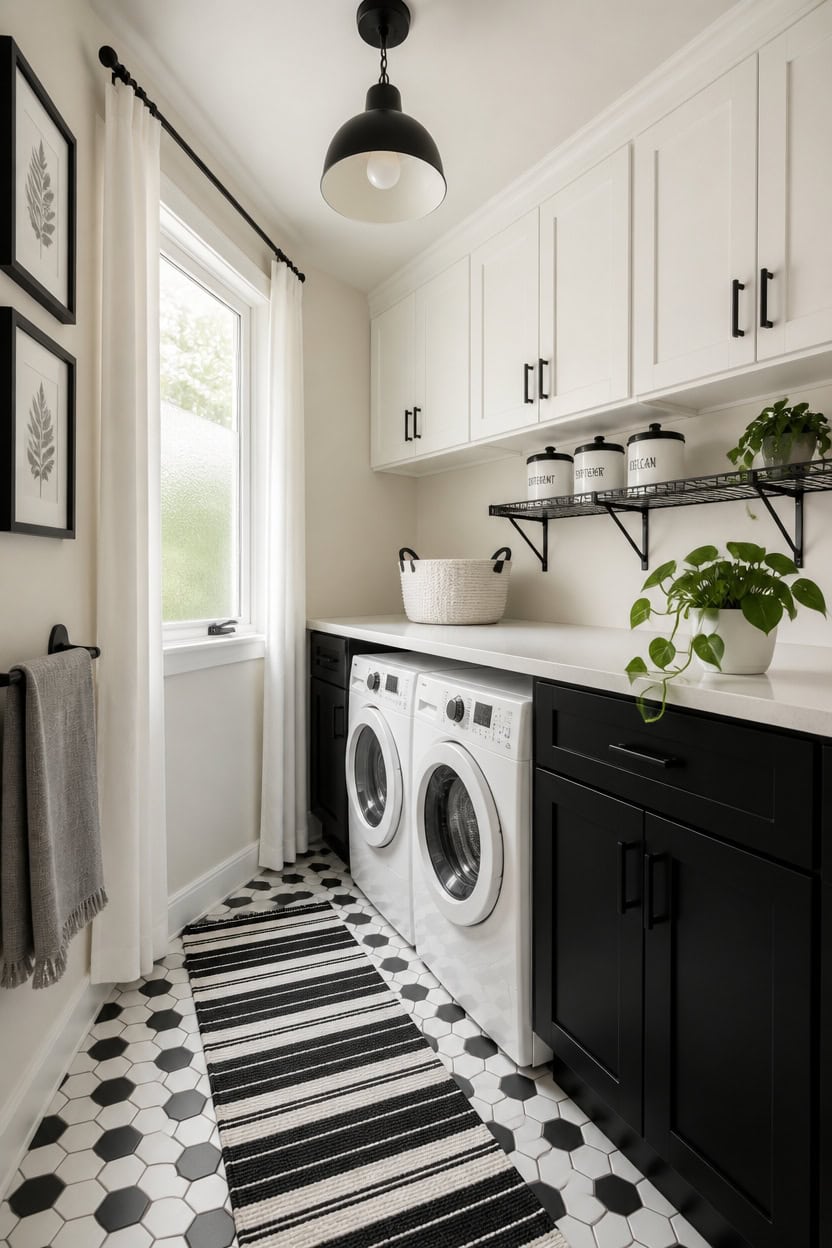
Cabinet color in a laundry room works best when one surface goes full black and the other stays clean white, with no middle tones blurring the line between them. That hard split keeps the room from feeling muddy, which is the most common failure point in small utilitarian spaces where walls, cabinets, and appliances all compete for attention. If your cabinets are upper and lower, paint one run black and the other white rather than making every cabinet the same color.
Commit to full saturation: Watered-down grays and off-blacks undercut the contrast the room needs — use true black, not charcoal.
Pair black cabinets with white interiors: Painting the inside of black cabinets white makes them feel bigger and easier to see into.
Match the sheen to the use: Semi-gloss on cabinet doors wipes clean faster than eggshell in a room that sees detergent splashes daily.
Let the walls stay neutral: Keeping walls white or off-white prevents the room from feeling like a tunnel when black cabinets dominate.
a bright clean white that bounces light back into the room and keeps the upper half from feeling heavy.
matched from the wall in this photo — the closest Benjamin Moore shade.
 2 Pcs 15.5" W x 29" H Unfinished Kitchen Cabinet Doors with 4 Hinges, Shaker Style Cabinet Door Front Replacement for Kitchen, Bathroom, Vanity, Closet
View Price
2 Pcs 15.5" W x 29" H Unfinished Kitchen Cabinet Doors with 4 Hinges, Shaker Style Cabinet Door Front Replacement for Kitchen, Bathroom, Vanity, Closet
View Price
 10 Strawberry Street Marble Ceramic Kitchen Canister Set, Set of 3, White/Black
View Price
10 Strawberry Street Marble Ceramic Kitchen Canister Set, Set of 3, White/Black
View Price
 10-Pieces Matte Black Bathroom Accessories Set 23.6 Inch Towel Bar Set.
View Price
10-Pieces Matte Black Bathroom Accessories Set 23.6 Inch Towel Bar Set.
View Price
 SIXDOVE 4 Pack Storage Baskets for Organizing, Woven Baskets for Shelves - Perfect for Toys, Books, Towels, and Clothes, Durable Gift Basket Bins Toy Storage, 12.7''Lx9''Wx7.8''H, Brown & White
View Price
SIXDOVE 4 Pack Storage Baskets for Organizing, Woven Baskets for Shelves - Perfect for Toys, Books, Towels, and Clothes, Durable Gift Basket Bins Toy Storage, 12.7''Lx9''Wx7.8''H, Brown & White
View Price
 2 Pack Garage Wall Shelf, Wall Mounted Storage Shelves, Heavy Duty Metal Shelves for Room Wall, Loads 80 LBS Floating Shelves Mesh Storage Rack for Garage, Office, Basement,Wall Cabinet and Kitchen
View Price
2 Pack Garage Wall Shelf, Wall Mounted Storage Shelves, Heavy Duty Metal Shelves for Room Wall, Loads 80 LBS Floating Shelves Mesh Storage Rack for Garage, Office, Basement,Wall Cabinet and Kitchen
View Price
 Wash Your Hands Quote Vintage Gold Framed Wall Art 12x16 inch
View Price
Wash Your Hands Quote Vintage Gold Framed Wall Art 12x16 inch
View Price
 JOY DECOR Black Cabinet Handles, 2 Pack Kitchen Handles, 5 Inch
View Price
JOY DECOR Black Cabinet Handles, 2 Pack Kitchen Handles, 5 Inch
View Price
Black and White Hardware Finishes Worth Knowing
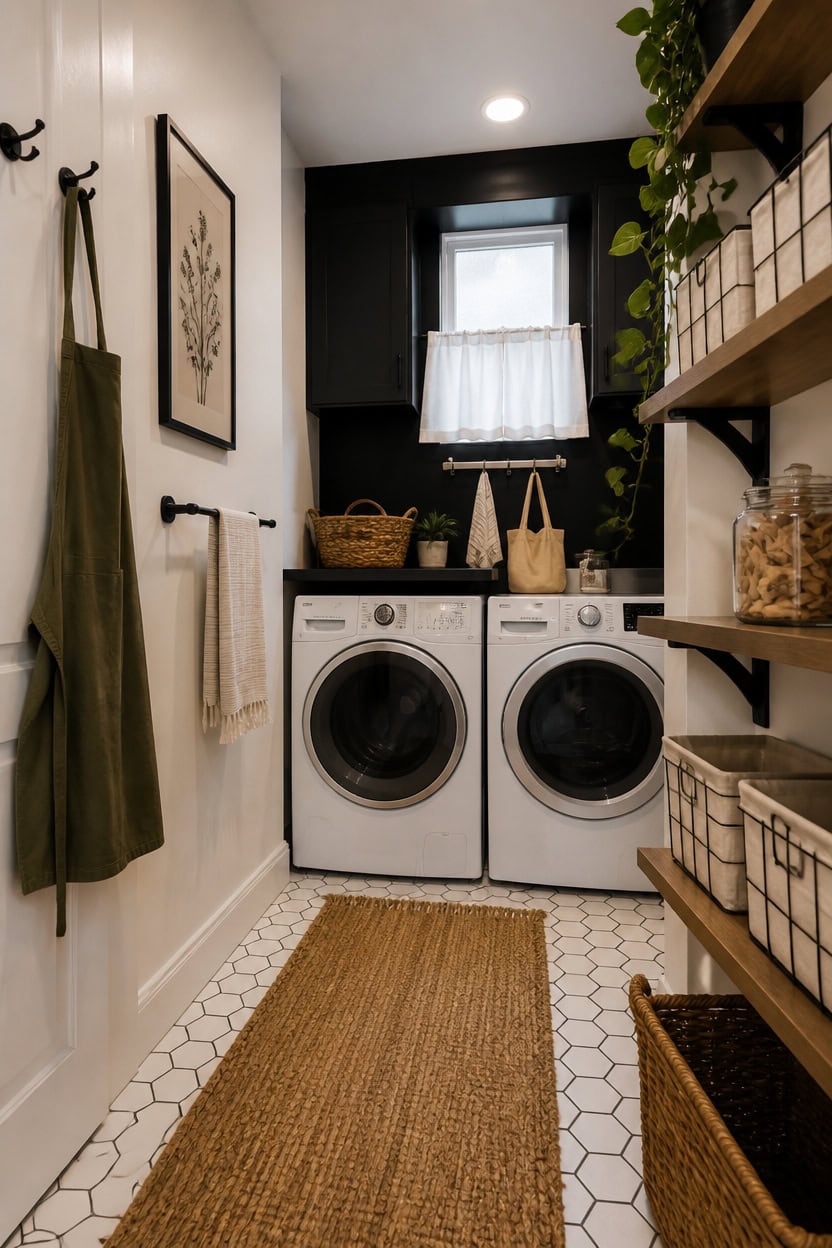
Matte black and brushed nickel are the two finishes that show up most often in high-contrast laundry rooms, but they do very different jobs. Matte black disappears against dark cabinets while still reading as a design choice on white surfaces, making it flexible enough to carry the whole room. Brushed nickel brightens a space slightly — use it on hooks and towel bars if the room runs dark.
Stick to one finish per function: Use matte black for cabinet pulls and brushed nickel for wall-mounted hooks so each finish has a clear role.
Skip chrome in a black and white room: Chrome reads as reflective gray and muddies the hard contrast you’ve built with the palette.
Match the basket hardware: Woven storage baskets with black metal frames keep the shelf line consistent with cabinet pulls below.
Use finish to guide the eye: A row of matte black wall hooks draws attention upward, which helps a low-ceilinged laundry room feel taller.
a clean bright white that keeps the finish hardware visible and prevents the room from closing in.
the black from this look, matched from the photo to its closest Benjamin Moore shade.
 HOME EDIT Matte Black Cabinet Handles, Drawer Pulls, 3 Inch, 30 Pack
View Price
HOME EDIT Matte Black Cabinet Handles, Drawer Pulls, 3 Inch, 30 Pack
View Price
 NHENY Coat Hook Wall Mount - Towel Rack with 6 Hooks Hanger for Hanging Clothes, Bags, Keys, and Towels Bathroom, Entryway, Door, 304 Stainless Steel Brushed Nickel
View Price
NHENY Coat Hook Wall Mount - Towel Rack with 6 Hooks Hanger for Hanging Clothes, Bags, Keys, and Towels Bathroom, Entryway, Door, 304 Stainless Steel Brushed Nickel
View Price
 Sonyabecca 3-Pack Hanging Laundry Baskets, Foldable Metal Wire Shelves with 360° Rotating Hooks, Space-Saving Over Washer/Dryer or Closet Storage for Laundry Room & Closet Organization, Black
View Price
Sonyabecca 3-Pack Hanging Laundry Baskets, Foldable Metal Wire Shelves with 360° Rotating Hooks, Space-Saving Over Washer/Dryer or Closet Storage for Laundry Room & Closet Organization, Black
View Price
 Nolimas Matte Black Bath Towel Bar Single Bars Towel Rack Rod Classic Wall Mounted Stainless Steel Bathroom Towel Bar Toilet Kitchen Towel Shelf Single Layer,24inch
View Price
Nolimas Matte Black Bath Towel Bar Single Bars Towel Rack Rod Classic Wall Mounted Stainless Steel Bathroom Towel Bar Toilet Kitchen Towel Shelf Single Layer,24inch
View Price
 Household Essentials Decorative Woven Baskets, Set of 3 Baskets, Paper Rope with Wood Handles, Sturdy Metal Frame, Small, Medium and Large, Black
View Price
Household Essentials Decorative Woven Baskets, Set of 3 Baskets, Paper Rope with Wood Handles, Sturdy Metal Frame, Small, Medium and Large, Black
View Price
 Kruodop 2 PCS Towel Hooks for Bathroom, Wall Mount Towel Holder, Black Matte Wall Robe Hook,Square Stainless Steel Door Hanger Towel Hook for Kitchen, Bedroom,Hotel,Pool,Coats
View Price
Kruodop 2 PCS Towel Hooks for Bathroom, Wall Mount Towel Holder, Black Matte Wall Robe Hook,Square Stainless Steel Door Hanger Towel Hook for Kitchen, Bedroom,Hotel,Pool,Coats
View Price
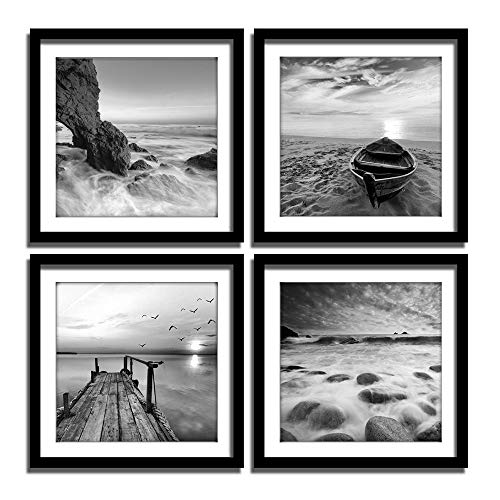 ENGLANT-4 Panels Set Framed Canvas Print for Seascape Beach and Boat Sunrise Scenery Black and White Giclee Canvas Print Wall Art Ready to Hang
View Price
ENGLANT-4 Panels Set Framed Canvas Print for Seascape Beach and Boat Sunrise Scenery Black and White Giclee Canvas Print Wall Art Ready to Hang
View Price
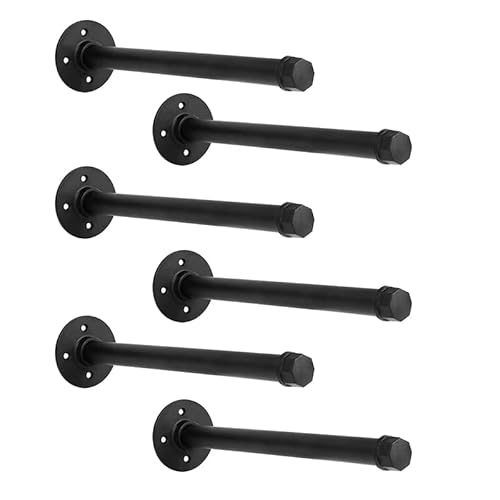 YCCO 8 Inch Industrial Pipe Shelf Brackets Set of 6, Black Wall Shelving
View Price
YCCO 8 Inch Industrial Pipe Shelf Brackets Set of 6, Black Wall Shelving
View Price
Our Favorite Laundry Room Wall Art
- Free shipping over $35
- Picked at 4.7 stars or higher
 Laundry Symbols Guide Typography, Floater Frame on Wood
View Price
Laundry Symbols Guide Typography, Floater Frame on Wood
View Price
 Laundry Cleaning Symbols Minimal Design Framed Print
View Price
Laundry Cleaning Symbols Minimal Design Framed Print
View Price
 Alexa, Do the Laundry, Modern Minimal Typography Floater Frame Print
View Price
Alexa, Do the Laundry, Modern Minimal Typography Floater Frame Print
View Price
 Fresh Laundry I
View Price
Fresh Laundry I
View Price
 Laundry Room French Vintage I
View Price
Laundry Room French Vintage I
View Price
 Laundry Washer, Canvas Print
View Price
Laundry Washer, Canvas Print
View Price
 Laundry Pin I, 2-Piece Textual Art Print Set
View Price
Laundry Pin I, 2-Piece Textual Art Print Set
View Price
 24 Hours Laundry, Multi-Piece Canvas Print
View Price
24 Hours Laundry, Multi-Piece Canvas Print
View Price
 Minimal Laundry Clothespins 2-Piece Black Framed Giclee Set
View Price
Minimal Laundry Clothespins 2-Piece Black Framed Giclee Set
View Price
The Right Lighting for a High-Contrast Laundry Room
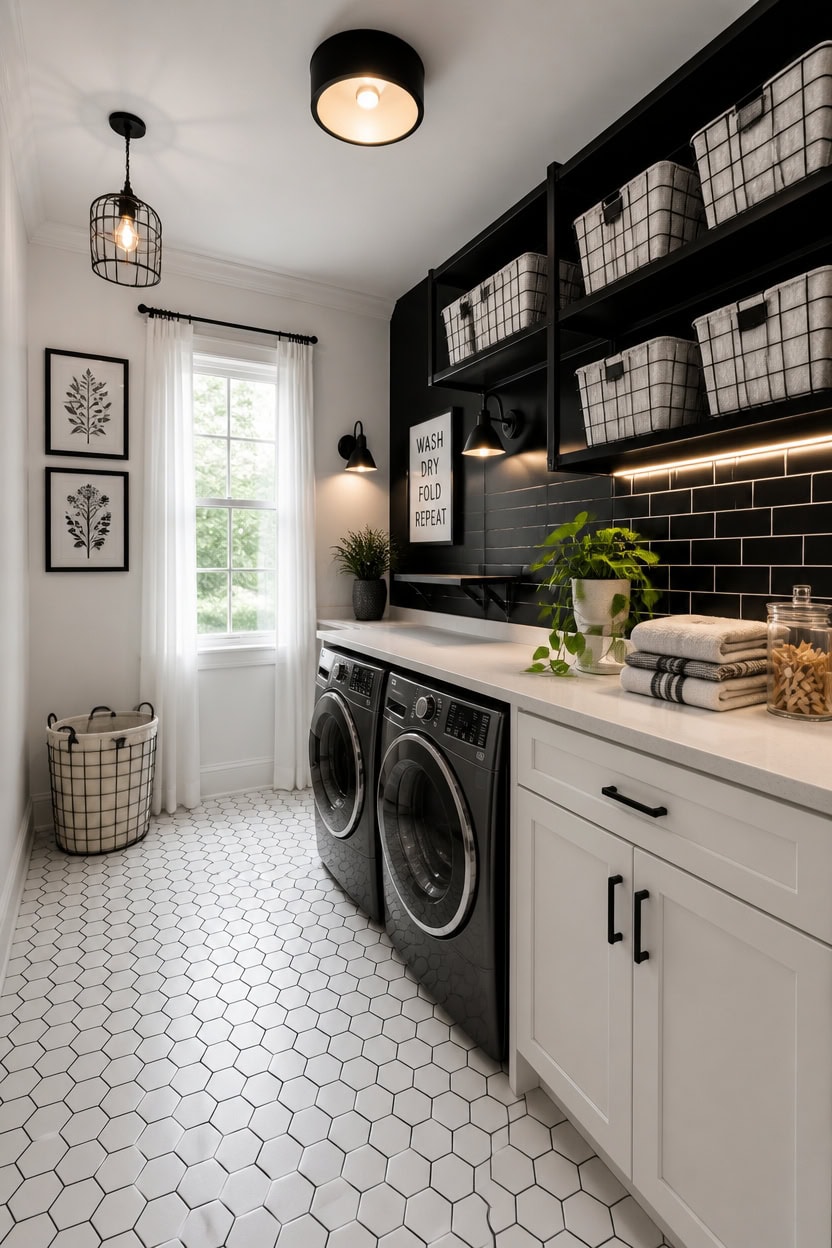
Warm white bulbs between 2700K and 3000K give a black and white laundry room contrast without washing out the palette or making the black surfaces look muddy. Lighting placement matters more than fixture count — a single overhead light leaves dark corners that shrink the space visually. Layer a ceiling fixture with under-cabinet task lighting to keep both the work surface and the overall room evenly bright.
Layer your sources: Combine one overhead fixture with under-cabinet LEDs so the countertop gets direct light without shadows.
Choose matte black fixtures: Matte black light fixtures tie into cabinet hardware and wall hooks, keeping the room visually consistent.
Avoid cool daylight bulbs: Bulbs above 4000K turn white surfaces blue-white and flatten black accents into a dull charcoal.
Mount sconces at eye level: A pair of wall sconces flanking a folding station adds warmth and doubles as task lighting without eating ceiling space.
a crisp, bright white that reflects light evenly and keeps warm bulbs from yellowing the room.
matched from the wall in this photo — the closest Benjamin Moore shade.
 Gisisee 11.8 inch Modern Matte Black Flush Mount Ceiling Light Fixture
View Price
Gisisee 11.8 inch Modern Matte Black Flush Mount Ceiling Light Fixture
View Price
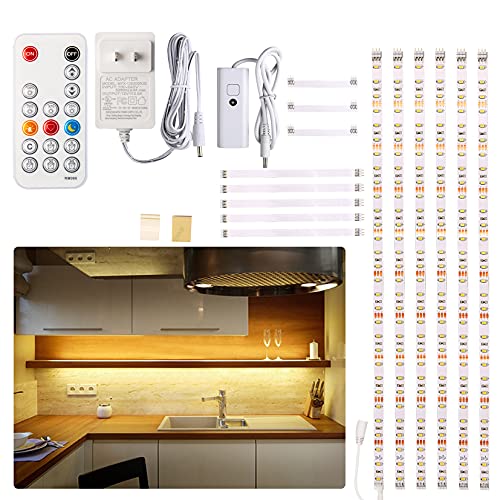 WOBANE Under Cabinet LED Lighting Kit,Dimmable Strip Lights with RF Remote
View Price
WOBANE Under Cabinet LED Lighting Kit,Dimmable Strip Lights with RF Remote
View Price
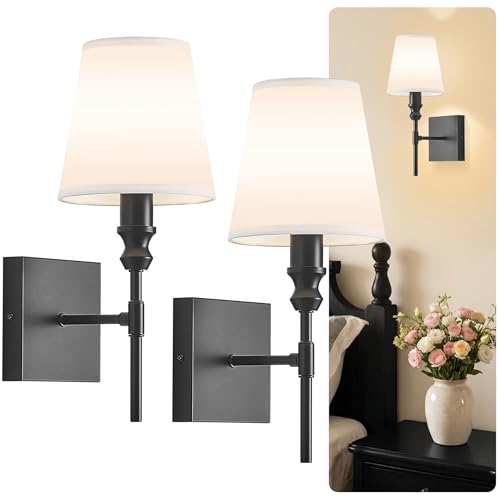 ZSMAIKU Vintage Bathroom Wall Sconce,Hardwired Bedside Wall Sconces Set of 2,Black Bathroom Light Fixture with White Fabric Shade for Bedroom Living Room Hallway Farmhouse,Convertible Height,E12 Base
View Price
ZSMAIKU Vintage Bathroom Wall Sconce,Hardwired Bedside Wall Sconces Set of 2,Black Bathroom Light Fixture with White Fabric Shade for Bedroom Living Room Hallway Farmhouse,Convertible Height,E12 Base
View Price
 Sigalux LED Light Bulbs 60 Watt Equivalent A19 Standard Light Bulbs 2700K Warm, Non-Dimmable Energy Efficient 9.5W LED Soft White Bulb with E26 Medium Base, 800 Lumens, UL Listed, 4 Packs
View Price
Sigalux LED Light Bulbs 60 Watt Equivalent A19 Standard Light Bulbs 2700K Warm, Non-Dimmable Energy Efficient 9.5W LED Soft White Bulb with E26 Medium Base, 800 Lumens, UL Listed, 4 Packs
View Price
 Pendant Light Shade Cage 3 Pack,Black Wire Lamp Shade for Hanging Bulbs
View Price
Pendant Light Shade Cage 3 Pack,Black Wire Lamp Shade for Hanging Bulbs
View Price
 Vagusicc Wicker Storage Basket, Set of 2 Black Wicker Baskets for Bathroom
View Price
Vagusicc Wicker Storage Basket, Set of 2 Black Wicker Baskets for Bathroom
View Price
 LDXCJXOR Blue Farmhouse Bathroom Wall Art, 2-Piece Black Framed Canvas Painting, Funny Rustic Wall Decor for Bathroom Laundry Room, 12x16 Inch Ready to Hang
View Price
LDXCJXOR Blue Farmhouse Bathroom Wall Art, 2-Piece Black Framed Canvas Painting, Funny Rustic Wall Decor for Bathroom Laundry Room, 12x16 Inch Ready to Hang
View Price
 JMIATRY 8PCS 3/4" Industrial Black Pipe Shelf Brackets 6 Inch Iron Pipe Clothes Bars Wall Mount Clothes Rack, 6 Inches Black Closet Rods Shelving Bracket for Hanging Clothes Laundry Room Garment Rack
View Price
JMIATRY 8PCS 3/4" Industrial Black Pipe Shelf Brackets 6 Inch Iron Pipe Clothes Bars Wall Mount Clothes Rack, 6 Inches Black Closet Rods Shelving Bracket for Hanging Clothes Laundry Room Garment Rack
View Price
How to Make a Small Laundry Room Feel Bigger
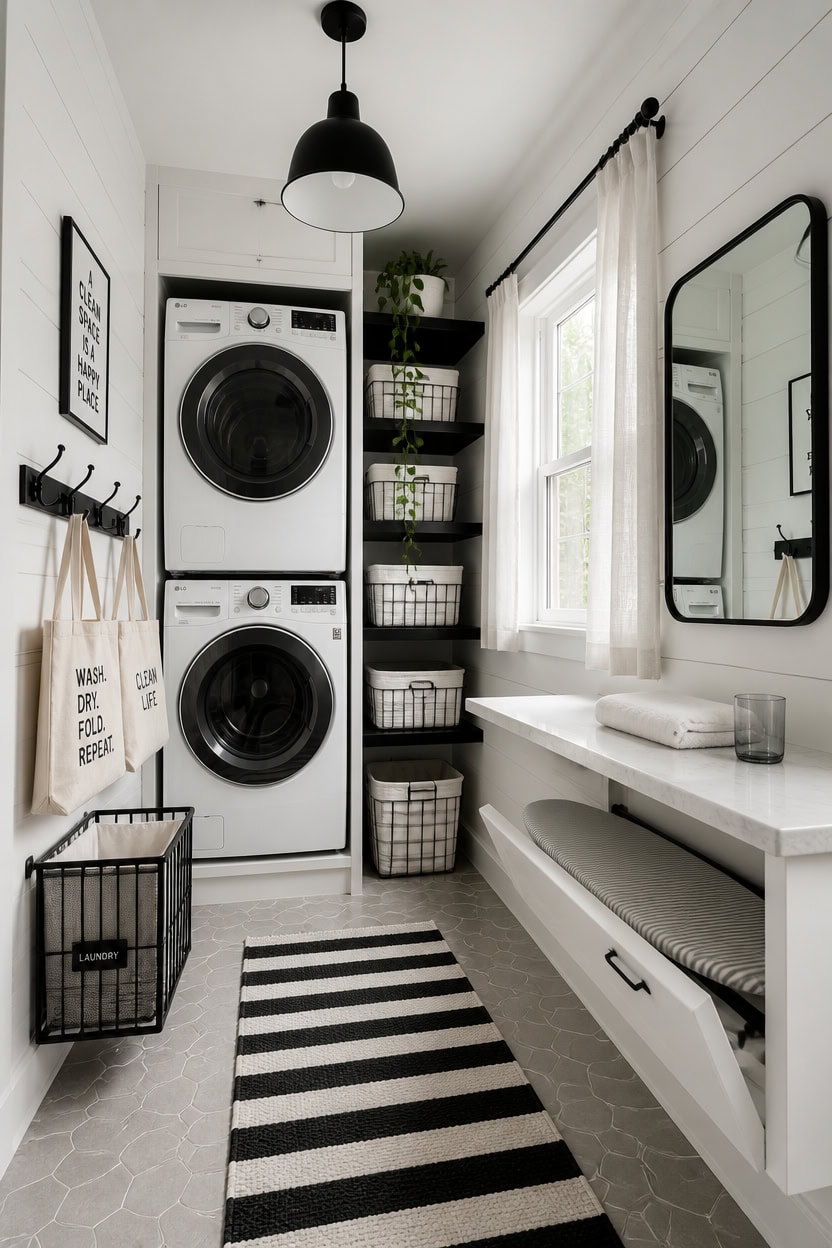
Vertical storage and reflective surfaces shrink the perception of a small laundry room far more than square footage ever will. White walls bounce light into every corner, while black accents draw the eye upward rather than across, making the ceiling feel taller. Keep the floor as clear as possible — wall-mounted cabinets and floating shelves free up the ground plane and stop the room from feeling cluttered.
Go vertical: Stack your washer and dryer if possible, then fill the freed wall space with floor-to-ceiling shelving.
Use mirrors strategically: A framed mirror above the folding counter doubles the perceived depth without adding physical space.
Limit the floor footprint: Wall-mounted hampers and fold-down ironing boards keep the center of the room open and easy to move through.
Repeat the two colors only: Mixing in a third color fragments a small room visually — black and white kept consistent unify the space and make it read larger.
a bright, reflective white that pushes walls outward and keeps the room from feeling boxed in.
matched from the wall in this photo — the closest Benjamin Moore shade.
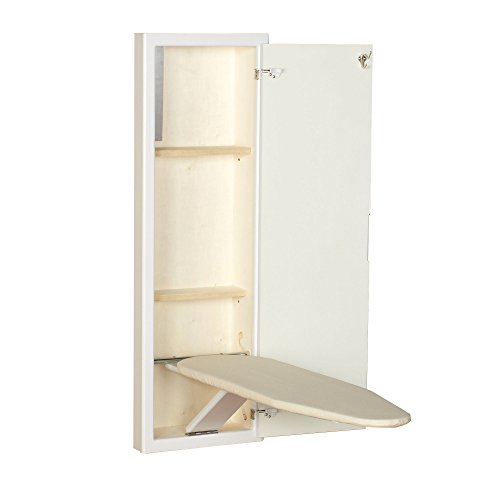 Household Essentials in‑Wall Recessed Ironing Board Cabinet with Storage Shelves, White Finish
View Price
Household Essentials in‑Wall Recessed Ironing Board Cabinet with Storage Shelves, White Finish
View Price
 YCCO Industrial L Pipe Shelf Brackets for 7-14 in Depth Wood,6.7In 4 Pack
View Price
YCCO Industrial L Pipe Shelf Brackets for 7-14 in Depth Wood,6.7In 4 Pack
View Price
 SAMSUNG 27-Inch Washer Dryer Pedestal Stand w/ Pull Out Laundry Storage Drawer, Stainless Steel, WE402NW/A3, White
View Price
SAMSUNG 27-Inch Washer Dryer Pedestal Stand w/ Pull Out Laundry Storage Drawer, Stainless Steel, WE402NW/A3, White
View Price
 Autdot 48"x24" Light Vintage Long Black Mirror, Rectangular Relief Frame, Modern Retro Style Wooded Wall Mirror for Living Room/Entryway/Dining Room/Bedroom
View Price
Autdot 48"x24" Light Vintage Long Black Mirror, Rectangular Relief Frame, Modern Retro Style Wooded Wall Mirror for Living Room/Entryway/Dining Room/Bedroom
View Price
 Decorative Wall Mount Laundry Hamper, Plastic Collapsible Storage Basket with Cloud Design Handle, Floral Pattern Cutouts Suitable for Bathroom, Bedroom, Or Laundry Area
View Price
Decorative Wall Mount Laundry Hamper, Plastic Collapsible Storage Basket with Cloud Design Handle, Floral Pattern Cutouts Suitable for Bathroom, Bedroom, Or Laundry Area
View Price
 KOZYFLY Black White Striped Runner Rug 2x6 ft Woven Washable Hallway Runner
View Price
KOZYFLY Black White Striped Runner Rug 2x6 ft Woven Washable Hallway Runner
View Price
 Coat Rack Wall Mount – 12 Inch Stainless Steel Hook Rail with 4 Double Coat Hooks for Hanging – Wall Mounted Entryway Organizer for Coats, Hats, Bags, Towels, Robes, Closet or Bathroom - Black
View Price
Coat Rack Wall Mount – 12 Inch Stainless Steel Hook Rail with 4 Double Coat Hooks for Hanging – Wall Mounted Entryway Organizer for Coats, Hats, Bags, Towels, Robes, Closet or Bathroom - Black
View Price
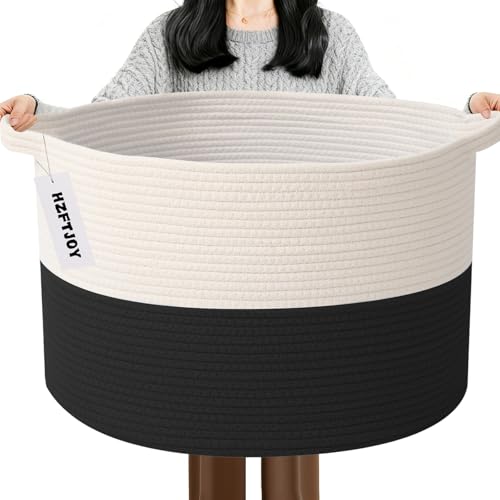 HZFTJOY 65L Large Blanket Basket,Woven Rope Laundry Basket-White&Black
View Price
HZFTJOY 65L Large Blanket Basket,Woven Rope Laundry Basket-White&Black
View Price
Removable Wallpaper for This Palette
Removable designer wallpaper from Wallshoppe, picked to match this palette. An easy way to add pattern to any room, and every design is available as a sample.
- Designed and printed in the USA
- Non-toxic inks
- Featured in NYT Wirecutter
 Townhouse Wallpaper by Sarah Jessica Parker – Pearl on Charcoal
View Price
Townhouse Wallpaper by Sarah Jessica Parker – Pearl on Charcoal
View Price
 El Quijote Wallpaper by Chris Benz – Black
View Price
El Quijote Wallpaper by Chris Benz – Black
View Price
 Large Dumbo Wallpaper by Chris Benz – Black
View Price
Large Dumbo Wallpaper by Chris Benz – Black
View Price
 Pinstripe Wallpaper by Sugar Paper – Black
View Price
Pinstripe Wallpaper by Sugar Paper – Black
View Price
 Townhouse Mural Wallpaper by Sarah Jessica Parker – Pearl on Charcoal
View Price
Townhouse Mural Wallpaper by Sarah Jessica Parker – Pearl on Charcoal
View Price
 Block Print Wallpaper by Sugar Paper – Black On White
View Price
Block Print Wallpaper by Sugar Paper – Black On White
View Price
 NYC Wallpaper by Nathan Turner – Onyx
View Price
NYC Wallpaper by Nathan Turner – Onyx
View Price
 Splattered Wallpaper by Nathan Turner – Black / Neutral
View Price
Splattered Wallpaper by Nathan Turner – Black / Neutral
View Price
 Townhouse Wallpaper by Sarah Jessica Parker – Peacock
View Price
Townhouse Wallpaper by Sarah Jessica Parker – Peacock
View Price
 Monroe Street Wallpaper by Chris Benz – Blue
View Price
Monroe Street Wallpaper by Chris Benz – Blue
View Price
 Pacifico Palm Wallpaper by Nathan Turner – Ivory
View Price
Pacifico Palm Wallpaper by Nathan Turner – Ivory
View Price
 The Queens Lace' Wallpaper by Sarah Jessica Parker – Silver
View Price
The Queens Lace' Wallpaper by Sarah Jessica Parker – Silver
View Price
 Monroe Street Wallpaper by Chris Benz – Brown
View Price
Monroe Street Wallpaper by Chris Benz – Brown
View Price
 Small Dumbo Wallpaper by Chris Benz – Navy
View Price
Small Dumbo Wallpaper by Chris Benz – Navy
View Price
 Persimmon Birds Wallpaper by Nathan Turner – Persimmon
View Price
Persimmon Birds Wallpaper by Nathan Turner – Persimmon
View Price
 Buka Patchwork Wallpaper by Chris Benz – Blue
View Price
Buka Patchwork Wallpaper by Chris Benz – Blue
View Price
 The Queens Lace' Wallpaper by Sarah Jessica Parker – Misty Blue
View Price
The Queens Lace' Wallpaper by Sarah Jessica Parker – Misty Blue
View Price
 El Quijote Wallpaper by Chris Benz – Multi / Blue / Green
View Price
El Quijote Wallpaper by Chris Benz – Multi / Blue / Green
View Price
 Monroe Street Wallpaper by Chris Benz – Yellow
View Price
Monroe Street Wallpaper by Chris Benz – Yellow
View Price
 Sweet Caroline Wallpaper by Wallshoppe – Blue
View Price
Sweet Caroline Wallpaper by Wallshoppe – Blue
View Price
 Buka Patchwork Wallpaper by Chris Benz – Flax
View Price
Buka Patchwork Wallpaper by Chris Benz – Flax
View Price
 Sweet Caroline Wallpaper by Wallshoppe – Fog
View Price
Sweet Caroline Wallpaper by Wallshoppe – Fog
View Price
 Townhouse Wallpaper by Sarah Jessica Parker – Morning Dew on Misty Blue
View Price
Townhouse Wallpaper by Sarah Jessica Parker – Morning Dew on Misty Blue
View Price
 Best Fronds Wallpaper by Wallshoppe – Storm
View Price
Best Fronds Wallpaper by Wallshoppe – Storm
View Price
 Persimmon Birds Wallpaper by Nathan Turner – Mustard
View Price
Persimmon Birds Wallpaper by Nathan Turner – Mustard
View Price
 El Quijote Wallpaper by Chris Benz – Multi / Blue / Coral
View Price
El Quijote Wallpaper by Chris Benz – Multi / Blue / Coral
View Price
 Persimmon Birds Wallpaper by Nathan Turner – Washed Sienna
View Price
Persimmon Birds Wallpaper by Nathan Turner – Washed Sienna
View Price
 Pacifico Palm Wallpaper by Nathan Turner – Onyx
View Price
Pacifico Palm Wallpaper by Nathan Turner – Onyx
View Price
 Small Dumbo Wallpaper by Chris Benz – Deep Sea
View Price
Small Dumbo Wallpaper by Chris Benz – Deep Sea
View Price
 Townhouse Wallpaper by Sarah Jessica Parker – Silver on Sage
View Price
Townhouse Wallpaper by Sarah Jessica Parker – Silver on Sage
View Price
 Ojai Stripe Wallpaper by Wallshoppe – Iced Chai
View Price
Ojai Stripe Wallpaper by Wallshoppe – Iced Chai
View Price
 Pinstripe Wallpaper by Sugar Paper – Grey
View Price
Pinstripe Wallpaper by Sugar Paper – Grey
View Price
 Pacifico Palm Wallpaper by Nathan Turner – Garcelle Pink
View Price
Pacifico Palm Wallpaper by Nathan Turner – Garcelle Pink
View Price
 Small Dumbo Wallpaper by Chris Benz – Black
View Price
Small Dumbo Wallpaper by Chris Benz – Black
View Price
 Sidewalk Wallpaper by Chris Benz – Green
View Price
Sidewalk Wallpaper by Chris Benz – Green
View Price
 Best Fronds Wallpaper by Wallshoppe – Gray
View Price
Best Fronds Wallpaper by Wallshoppe – Gray
View Price
 Townhouse Wallpaper by Sarah Jessica Parker – Pearl on Deep Navy
View Price
Townhouse Wallpaper by Sarah Jessica Parker – Pearl on Deep Navy
View Price
 Sweet Caroline Wallpaper by Wallshoppe – Green
View Price
Sweet Caroline Wallpaper by Wallshoppe – Green
View Price
 Lemons Wallpaper by Nathan Turner – White
View Price
Lemons Wallpaper by Nathan Turner – White
View Price
 Pebble Wallpaper by Sugar Paper – French Blue On White
View Price
Pebble Wallpaper by Sugar Paper – French Blue On White
View Price
Storage Solutions That Look as Good as They Function
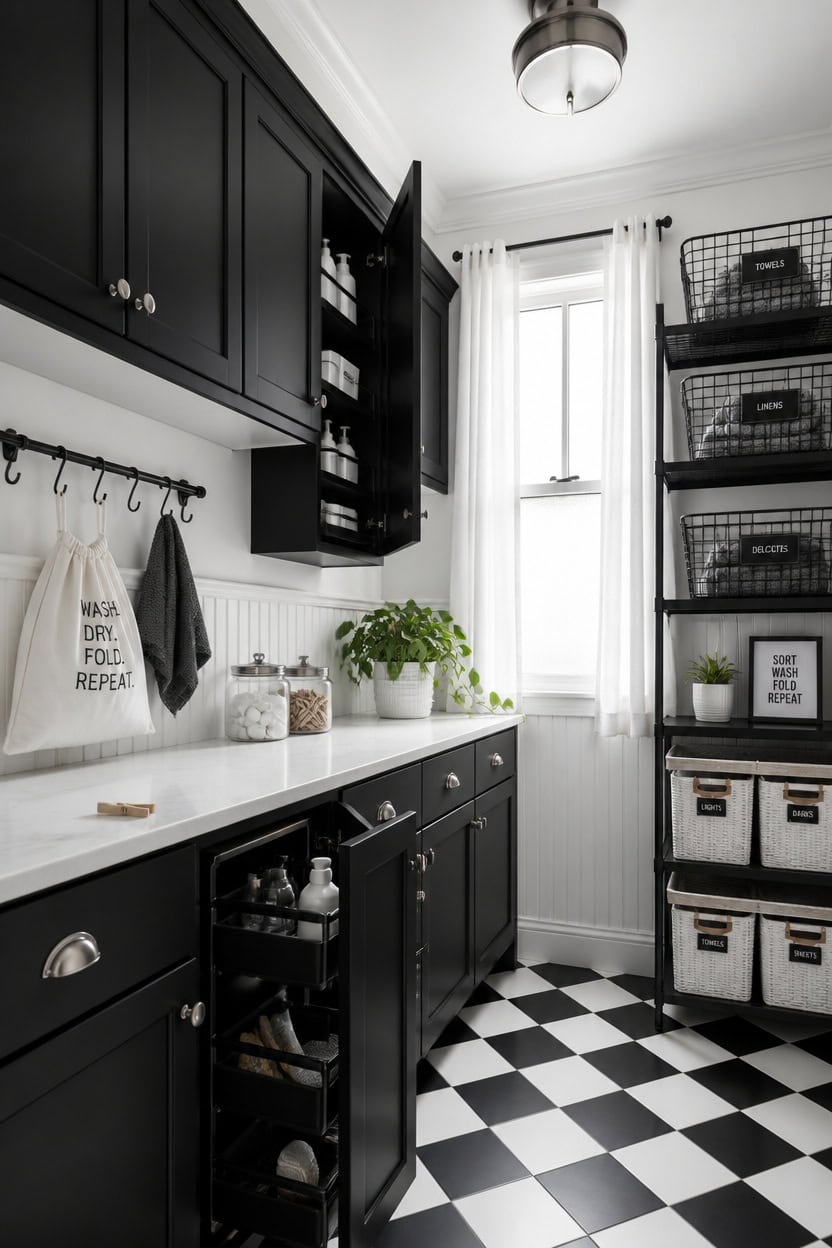
Black and white storage works best when every container, shelf, and basket is doing two jobs at once — looking intentional and holding something useful. A cohesive palette means any piece you add automatically fits, so the room never looks cluttered even when it’s fully loaded. Choose storage that mounts to the wall or stacks vertically to keep the floor clear and the whole space feeling organized.
Group by function: Keep detergents together, linens together, and small tools together so each shelf reads as a deliberate display rather than a dump zone.
Match your containers: Use the same basket or bin style throughout — mixing materials breaks the black and white palette and makes shelves look chaotic.
Label with contrast: Black labels on white bins or white labels on black bins keep things easy to read and reinforce the two-color system.
Mount what you can: Wall-mounted rails, hooks, and cabinets move storage off the floor and onto unused vertical space where it becomes part of the design.
a clean, bright white that makes storage pieces pop and keeps the room from feeling heavy.
 NEWOWNDS Laundry Room Cabinet 30’’x12’’x32’’, Kitchen Cabinet Wall Cabinets with Adjustable Shelves, Wall Cabinet Storage, Utility Cabinets for Laundry Room, White Wall Cabinet with Shaker Door, White
View Price
NEWOWNDS Laundry Room Cabinet 30’’x12’’x32’’, Kitchen Cabinet Wall Cabinets with Adjustable Shelves, Wall Cabinet Storage, Utility Cabinets for Laundry Room, White Wall Cabinet with Shaker Door, White
View Price
 4 Pcs Stackable Wire Baskets Pantry Organizers and Storage Bins,Black
View Price
4 Pcs Stackable Wire Baskets Pantry Organizers and Storage Bins,Black
View Price
 Miamolo Large Coffee Containers with Lids Coffee Canister, White & 28 fl.oz
View Price
Miamolo Large Coffee Containers with Lids Coffee Canister, White & 28 fl.oz
View Price
 Oozmas TZe-335 Black Label Tape Compatible with Brother Label Maker Tape
View Price
Oozmas TZe-335 Black Label Tape Compatible with Brother Label Maker Tape
View Price
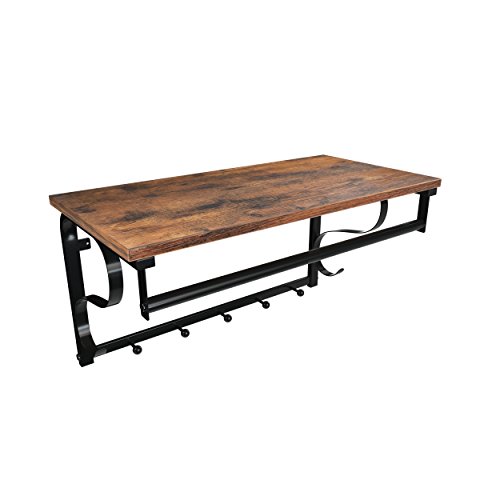 VASAGLE Coat Rack Wall Mount, Wall Hooks with Shelf, Hanging Rail, 5 Hooks
View Price
VASAGLE Coat Rack Wall Mount, Wall Hooks with Shelf, Hanging Rail, 5 Hooks
View Price
 Vagusicc Wicker Storage Basket, Set of 2 Hand-Woven Paper Rope Wicker Basket, Small Storage Baskets for Organizing Toilet Paper Basket, Foldable Large Cube Storage Organizer Bins for Shelves (White)
View Price
Vagusicc Wicker Storage Basket, Set of 2 Hand-Woven Paper Rope Wicker Basket, Small Storage Baskets for Organizing Toilet Paper Basket, Foldable Large Cube Storage Organizer Bins for Shelves (White)
View Price
 Household Essentials Door Hanging Laundry Bag in Washable Canvas with Loop Handle, White with Black Trim
View Price
Household Essentials Door Hanging Laundry Bag in Washable Canvas with Loop Handle, White with Black Trim
View Price
 Halyuhn Pull Out Cabinet Organizers 2 Pack, Black Metal Storage Basket
View Price
Halyuhn Pull Out Cabinet Organizers 2 Pack, Black Metal Storage Basket
View Price
How to Style Open Shelving in a Black and White Laundry Room
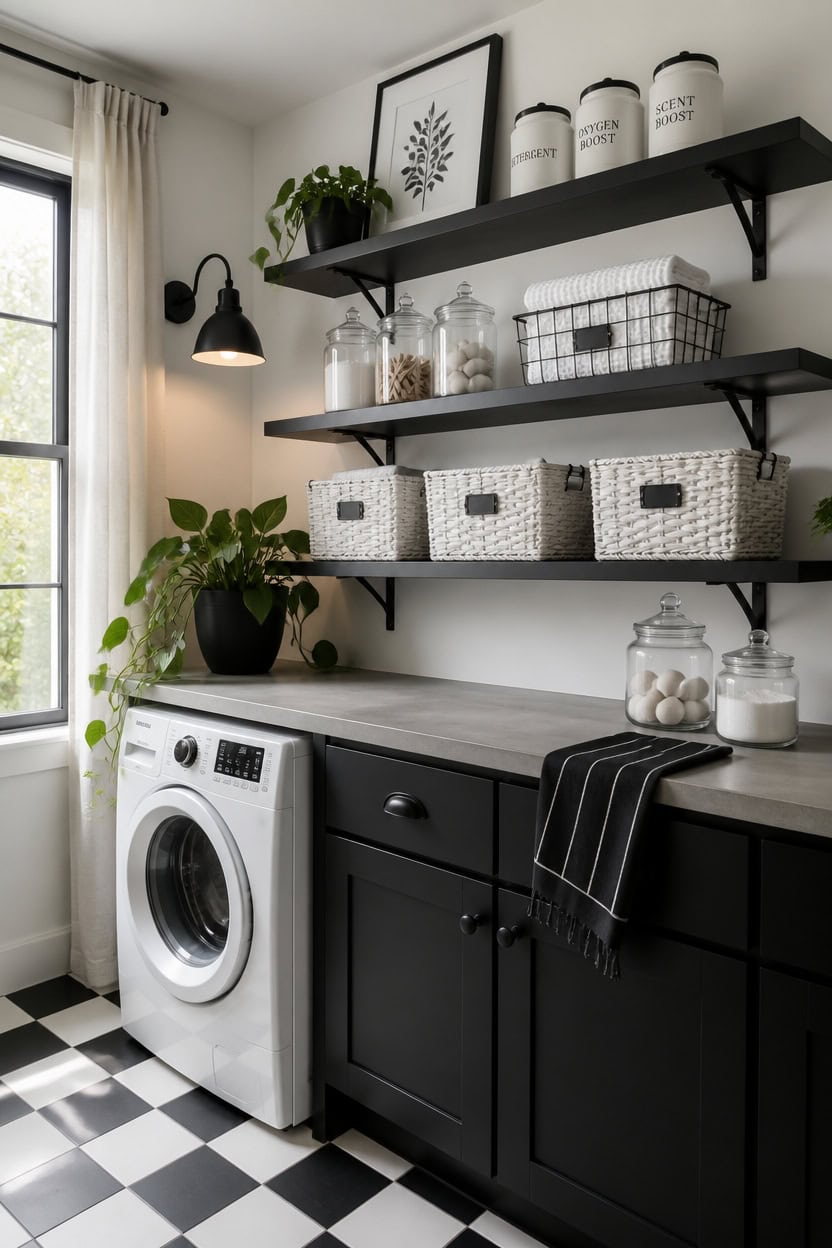
Open shelving works best in a laundry room when every item on the shelf is either beautiful, useful, or both. Black and white makes this easier because the palette itself acts as the filter — if something doesn’t fit the two colors, it doesn’t belong on the shelf. Arrange items in tight groupings with breathing room between groups so the shelves feel curated instead of crowded.
Anchor with texture: Stack white woven baskets or black wire bins at the base of each shelf to ground the display and hide less attractive items.
Use odd numbers: Group three or five objects together rather than two or four — uneven groupings look natural instead of forced.
Vary the heights: Mix tall glass canisters, mid-height folded linens, and low flat baskets so the eye moves across the shelf instead of stopping flat.
Leave breathing room: Keep roughly one-third of each shelf visually open so the arrangement reads as intentional rather than overfilled.
a crisp, luminous white that makes black bins and dark shelving brackets pop as sharp contrast against the background.
a flat, deep black that turns functional shelves into a bold architectural feature.
 Mind Reader 3-Piece Canister Set, Sugar Container, Coffee Storage, Lids, Kitchen, Ceramic, 4"L x 4"W x 7"H, Black and White
View Price
Mind Reader 3-Piece Canister Set, Sugar Container, Coffee Storage, Lids, Kitchen, Ceramic, 4"L x 4"W x 7"H, Black and White
View Price
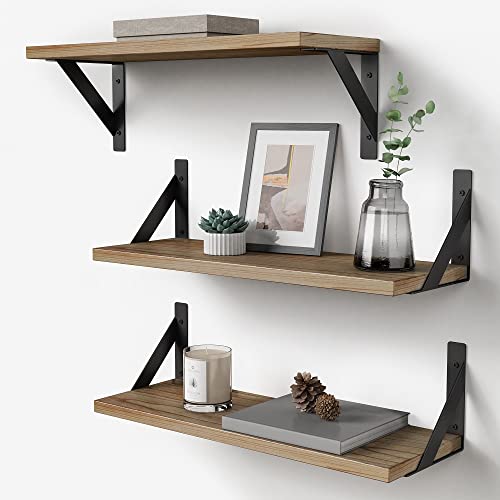 Floating Shelves with Black Metal Brackets Set of 3, Light Wood Wall Bookshelf for Bedroom Over Desk Bed, Hanging Shelf for Office Kitchen Living Room, Bathroom Over Toilet (Natural Color)
View Price
Floating Shelves with Black Metal Brackets Set of 3, Light Wood Wall Bookshelf for Bedroom Over Desk Bed, Hanging Shelf for Office Kitchen Living Room, Bathroom Over Toilet (Natural Color)
View Price
 Sea Grass Storage Basket Set of 4, Handwoven Wicker Storage Organizer, Includes 2 Laundry Hampers with Lids, 2 Bins for Shelves and Removable Washable Liners for Bathroom, Bedroom, Laundry Room
View Price
Sea Grass Storage Basket Set of 4, Handwoven Wicker Storage Organizer, Includes 2 Laundry Hampers with Lids, 2 Bins for Shelves and Removable Washable Liners for Bathroom, Bedroom, Laundry Room
View Price
 Spectrum Wall Mounted Wire Basket with Label Matte Black, Vintage Wire Basket Wall Mount Organizer for Kitchen Bathroom Laundry Pantry, Durable Steel Wall Mount Storage Basket
View Price
Spectrum Wall Mounted Wire Basket with Label Matte Black, Vintage Wire Basket Wall Mount Organizer for Kitchen Bathroom Laundry Pantry, Durable Steel Wall Mount Storage Basket
View Price
 3D Wood Laundry Room Wall Decor, 36" x 16" Framed Laundry Room Wall Art, 3D Laundry Signs for Room Decor (Ready to Hang, Set of 3, Framed)
View Price
3D Wood Laundry Room Wall Decor, 36" x 16" Framed Laundry Room Wall Art, 3D Laundry Signs for Room Decor (Ready to Hang, Set of 3, Framed)
View Price
 Talented Kitchen Metal Basket Label Clips - Removable Clip-On Storage Bin Holders - Durable Construction for Pantry Basket Labels - Secure Attachment for Metal Bins - 3.5"x 2.5", 18-Pack Black
View Price
Talented Kitchen Metal Basket Label Clips - Removable Clip-On Storage Bin Holders - Durable Construction for Pantry Basket Labels - Secure Attachment for Metal Bins - 3.5"x 2.5", 18-Pack Black
View Price
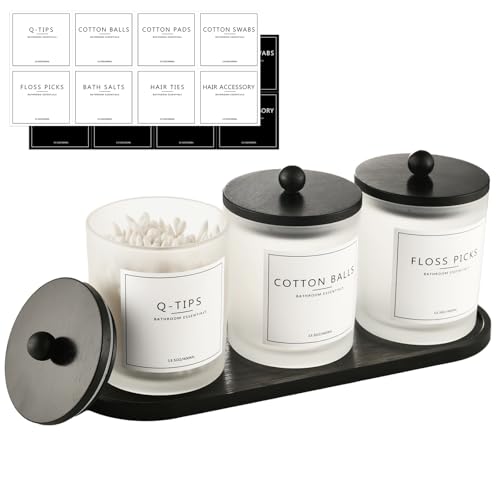 3 Pack Qtip Holder Bathroom Set,Cotton Ball Swab Pad Holder Cotton Round Floss Pick Dispenser with Tray,Glass Apothecary Jars with Lids,Bathroom Organizers and Storage Canisters-Frosted White
View Price
3 Pack Qtip Holder Bathroom Set,Cotton Ball Swab Pad Holder Cotton Round Floss Pick Dispenser with Tray,Glass Apothecary Jars with Lids,Bathroom Organizers and Storage Canisters-Frosted White
View Price
Our Favorite Drying Racks
- Free shipping over $35
- Picked at 4.3 stars or higher
 Collapsible Accordion Wall-Mounted Drying Rack
View Price
Collapsible Accordion Wall-Mounted Drying Rack
View Price
 Folding Wall-Mounted Drying Rack
View Price
Folding Wall-Mounted Drying Rack
View Price
 Aluminum Foldable Wall-Mounted Drying Rack
View Price
Aluminum Foldable Wall-Mounted Drying Rack
View Price
 Metal Folding Large-Capacity Clothes Drying Rack
View Price
Metal Folding Large-Capacity Clothes Drying Rack
View Price
 3-Tier Collapsible Clothes Drying Rack
View Price
3-Tier Collapsible Clothes Drying Rack
View Price
 Foldable 3-Level Clothes Drying Rack with High Hanger
View Price
Foldable 3-Level Clothes Drying Rack with High Hanger
View Price
 Rolling Laundry Cart with Basket, Hanging Bar and Shelf
View Price
Rolling Laundry Cart with Basket, Hanging Bar and Shelf
View Price
 Daytek Steel Retractable Clothesline
View Price
Daytek Steel Retractable Clothesline
View Price
Laundry Room Textiles That Work Hard and Look Sharp
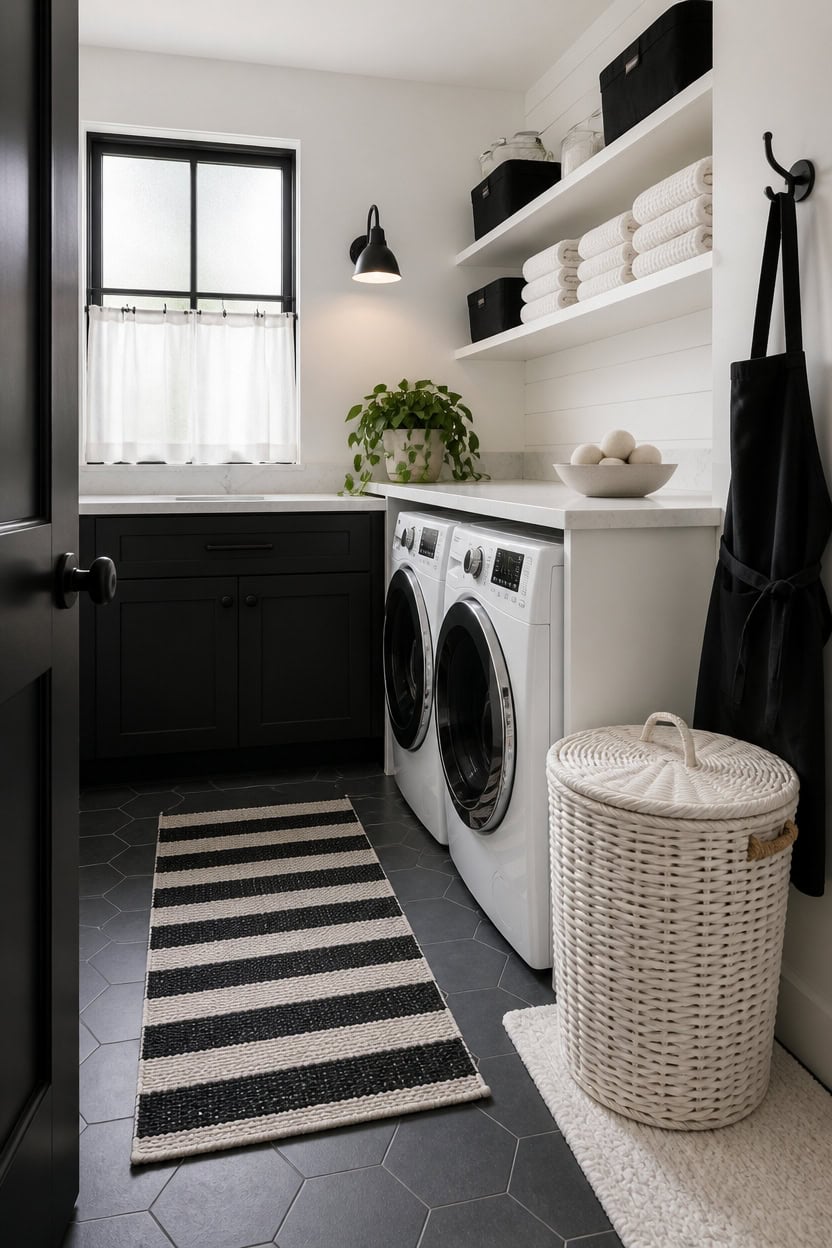
Laundry room textiles pull double duty — they protect surfaces, absorb spills, and do the work of softening a room that’s built for function over comfort. In a black and white laundry room, textiles also carry the visual weight of the palette since walls and floors tend to be hard and neutral. Choosing the right fabrics in the right finishes keeps the room looking sharp instead of clinical.
Stick to cotton and linen: Both fabrics launder easily, hold their shape, and stay crisp — exactly what a high-traffic laundry room demands.
Use pattern sparingly: One striped runner rug or one printed towel set is enough; repeating patterns on multiple textiles turns busy into chaotic.
Layer textures, not colors: Keep everything in black and white, but mix waffle weave, terry, and woven cotton so the room has visual depth without introducing new hues.
Anchor the floor first: A washable cotton runner in front of the machines protects flooring and sets the tone for every other textile in the space.
a clean, bright white that makes black textiles and patterned runners stand out as deliberate design choices.
matched from the wall in this photo — the closest Benjamin Moore shade.
 POLYTE 430 GSM Poly Blend Microfiber Quick Dry Waffle Bath Towel Set of 6
View Price
POLYTE 430 GSM Poly Blend Microfiber Quick Dry Waffle Bath Towel Set of 6
View Price
 Jubatus 2 Pack 3 Pockets 100% Cotton Adjustable Bib Apron Chef Kitchen Cooking Aprons for Women Men, Black
View Price
Jubatus 2 Pack 3 Pockets 100% Cotton Adjustable Bib Apron Chef Kitchen Cooking Aprons for Women Men, Black
View Price
 SONGMICS Laundry Hamper with Lid, 23.8 Gal (90 L) Synthetic Rattan,Foldable
View Price
SONGMICS Laundry Hamper with Lid, 23.8 Gal (90 L) Synthetic Rattan,Foldable
View Price
 Homaxy 100% Cotton Kitchen Towels and Dishcloths Set of 8, White & Black
View Price
Homaxy 100% Cotton Kitchen Towels and Dishcloths Set of 8, White & Black
View Price
 Laundry Room Rules Rug - Farmhouse Kitchen Floor Mat -Laundry Room Rug- Runner Decor -Washable Floor Carpet for Washroom Mudroom Kitchen Bathroom Hallway-20 x 48
View Price
Laundry Room Rules Rug - Farmhouse Kitchen Floor Mat -Laundry Room Rug- Runner Decor -Washable Floor Carpet for Washroom Mudroom Kitchen Bathroom Hallway-20 x 48
View Price
 STORAGE MANIAC 3-Pack Collapsible Laundry Hamper with Bamboo Handles, Black
View Price
STORAGE MANIAC 3-Pack Collapsible Laundry Hamper with Bamboo Handles, Black
View Price
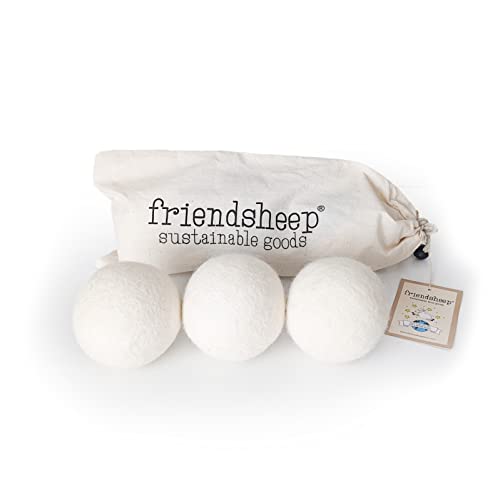 Friendsheep Wool Dryer Balls, Organic Reusable Fabric Softener Alternative for Laundry, Handmade, Fair Trade, Hypoallergenic, Eco-Friendly, Plastic-Free (3 Pack XL – White Trio)
View Price
Friendsheep Wool Dryer Balls, Organic Reusable Fabric Softener Alternative for Laundry, Handmade, Fair Trade, Hypoallergenic, Eco-Friendly, Plastic-Free (3 Pack XL – White Trio)
View Price
Budget-Friendly Ways to Achieve This Look
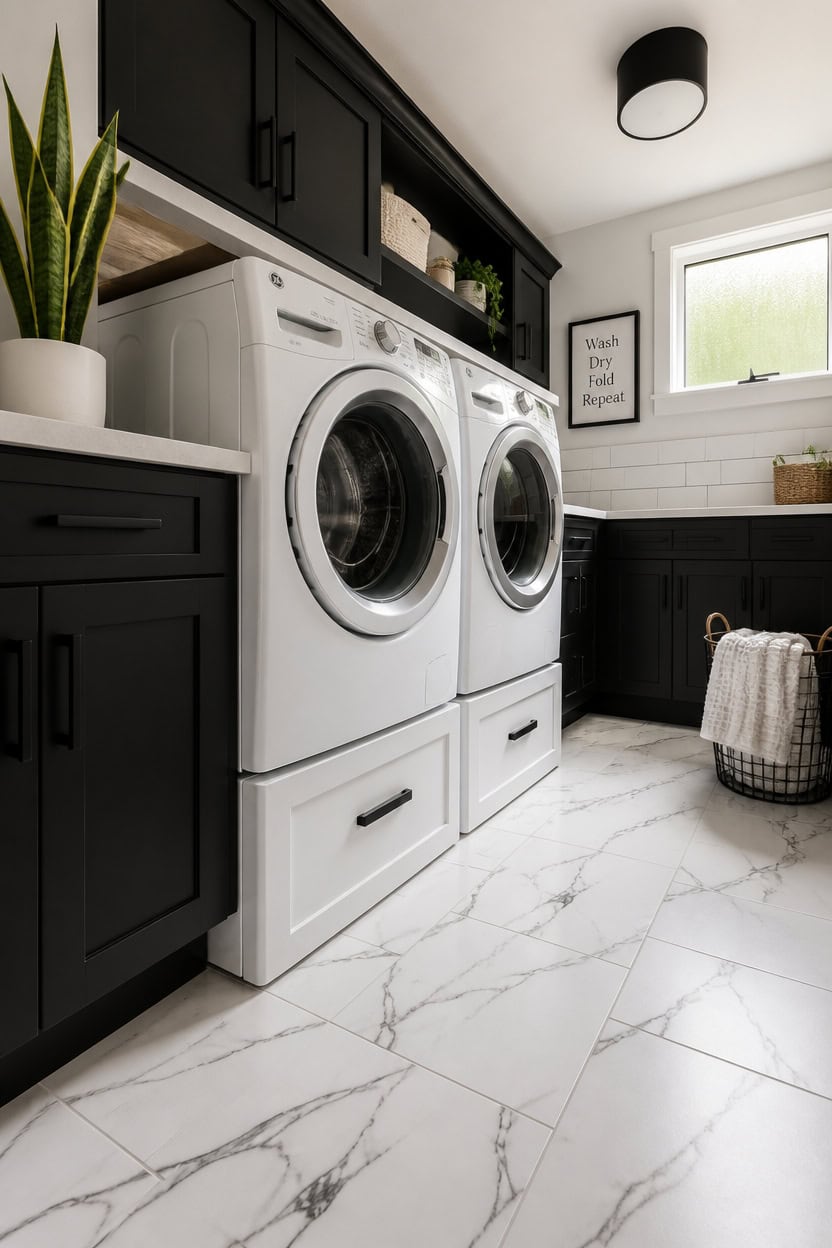
Swapping out hardware, adding peel-and-stick contact paper, and repainting surfaces with one or two cans of paint can deliver the full black and white laundry room look for well under $200. The contrast between black and white does most of the visual work, so budget pieces read as intentional rather than cheap when the palette stays consistent. Focus spending on what your eyes land on first — cabinet fronts, walls, and one strong accessory — and let everything else follow.
Start with paint: Two cans of paint on walls and cabinets deliver more visual impact than any single purchased item at any price point.
Use contact paper: Black or white peel-and-stick contact paper on cabinet fronts, shelving, or countertops mimics a painted or lacquered finish without permanent commitment.
Swap hardware only: Replacing drawer pulls and knobs with matte black hardware costs under $30 and immediately upgrades the whole cabinet run.
Edit, don’t add: Removing clutter costs nothing and makes a two-color palette read as designed rather than unfinished.
a bright, clean white that makes black hardware and dark cabinets pop without making the room feel cold or clinical.
matched from the wall in this photo — the closest Benjamin Moore shade.
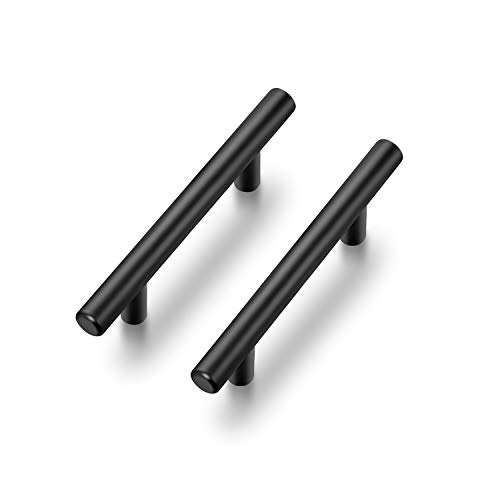 Ravinte Cabinet Handles,5" Length,3" Hole Center,Matte Black,30 Pack
View Price
Ravinte Cabinet Handles,5" Length,3" Hole Center,Matte Black,30 Pack
View Price
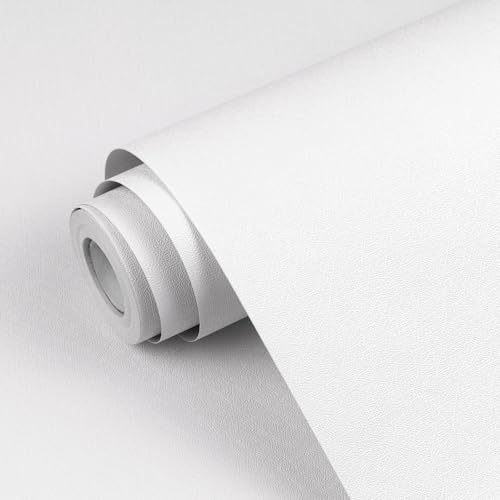 Qianglive White Contact Paper Solid White Peel and Stick Wallpaper 17.3"x80" Matte Self Adhesive Waterproof Vinyl Roll for Bathroom Kitchen Backsplash Cabinets Shelf Liners Drawers
View Price
Qianglive White Contact Paper Solid White Peel and Stick Wallpaper 17.3"x80" Matte Self Adhesive Waterproof Vinyl Roll for Bathroom Kitchen Backsplash Cabinets Shelf Liners Drawers
View Price
 STO STO 3-Tier Vertical Rolling Laundry Hamper, Removable Bags, Black Mesh
View Price
STO STO 3-Tier Vertical Rolling Laundry Hamper, Removable Bags, Black Mesh
View Price
 Mowtanco Embossed Ceramic Canister Set with Airtight Bamboo Lid
View Price
Mowtanco Embossed Ceramic Canister Set with Airtight Bamboo Lid
View Price
 TeoKJ White Cotton Rope Baskets for Storage, Set of 3 Woven Clothes Basket for Organizing and Storage, Blanket Basket for Living Room Laundry Bathroom Shelves
View Price
TeoKJ White Cotton Rope Baskets for Storage, Set of 3 Woven Clothes Basket for Organizing and Storage, Blanket Basket for Living Room Laundry Bathroom Shelves
View Price
 Zetez Foldable Wall Mounted Drying Rack - 31.5” Wide, 13.2 Ft Drying Space, 5 Rust-Resistant Rods, Supports Up to 60 lbs - Retractable & Foldable Space-Saving Wall Mounted Clothes Drying Rack (Black)
View Price
Zetez Foldable Wall Mounted Drying Rack - 31.5” Wide, 13.2 Ft Drying Space, 5 Rust-Resistant Rods, Supports Up to 60 lbs - Retractable & Foldable Space-Saving Wall Mounted Clothes Drying Rack (Black)
View Price
 GangMei 2 Pack Washer and Dryer Pedestals Stand, 28" W, 14.37" H
View Price
GangMei 2 Pack Washer and Dryer Pedestals Stand, 28" W, 14.37" H
View Price
Black and White Laundry Room Mistakes to Avoid
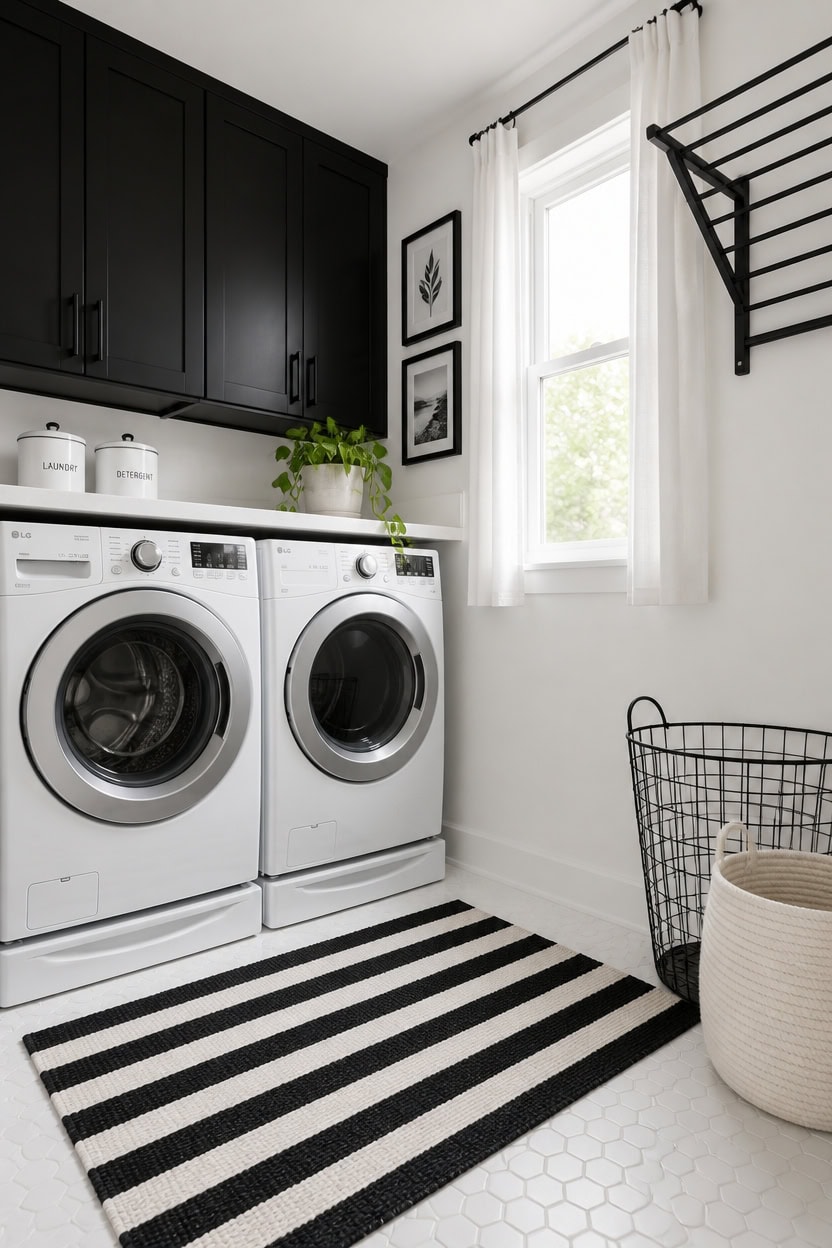
Most black and white laundry rooms fail because they swing too hard in one direction — all white with one black accessory, or so much black the room feels like a cave. The palette needs contrast to work, which means both colors have to show up with real visual weight. A rough 70/30 split keeps things balanced without losing the boldness that makes the look worth doing.
Avoid going gray: Off-white walls or charcoal cabinets soften the contrast and make the palette read as muddy instead of sharp.
Skip mismatched finishes: Mixing matte black hardware with glossy black accessories creates visual noise — pick one finish and repeat it.
Don’t skip storage: Exposed clutter breaks the palette instantly because real laundry products come in every color but black and white.
Don’t add a third color: Even a small pop of color — a blue detergent bottle or beige basket — pulls the eye away from the intentional contrast.
a bright, clean white that holds the light and makes black cabinetry read as bold without the room feeling stark.
a flat, true black that gives builder-grade cabinets real visual weight and anchors the whole space.
 FUN ELEMENTS Ceramic Canister Sets for the Kitchen, Flour and Sugar Storage Containers, Coffee Canister with Airtight Lid for Countertops, Spices, and Food,(Lace Emboss)
View Price
FUN ELEMENTS Ceramic Canister Sets for the Kitchen, Flour and Sugar Storage Containers, Coffee Canister with Airtight Lid for Countertops, Spices, and Food,(Lace Emboss)
View Price
 Lifewit 80L Large Laundry Baskets, Laundry Hampers Bags, 2 Pack, Black
View Price
Lifewit 80L Large Laundry Baskets, Laundry Hampers Bags, 2 Pack, Black
View Price
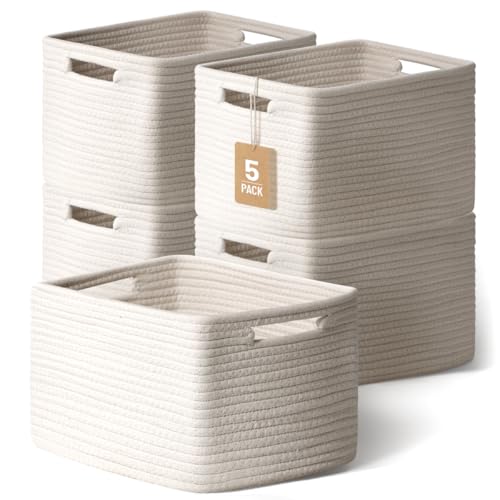 Yilobi 5 Pack Woven Storage Baskets, Decorative Storage Bins for Organizing
View Price
Yilobi 5 Pack Woven Storage Baskets, Decorative Storage Bins for Organizing
View Price
 Dr.DJ Clothes Drying Rack Wall Mounted, Retractable & Foldable Clothes Hanger for Laundry Room Organization and Storage, Clothes Hanger Rack for Dorm, Closet, Balcony, Laundry Room(1P, Metal, Black)
View Price
Dr.DJ Clothes Drying Rack Wall Mounted, Retractable & Foldable Clothes Hanger for Laundry Room Organization and Storage, Clothes Hanger Rack for Dorm, Closet, Balcony, Laundry Room(1P, Metal, Black)
View Price
 GDLF 29" Laundry Pedestal, Washer Dryer Pedestal with Storage, White
View Price
GDLF 29" Laundry Pedestal, Washer Dryer Pedestal with Storage, White
View Price